
Keller targeted sharia for 1 reason — and not due to a real threat | Opinion
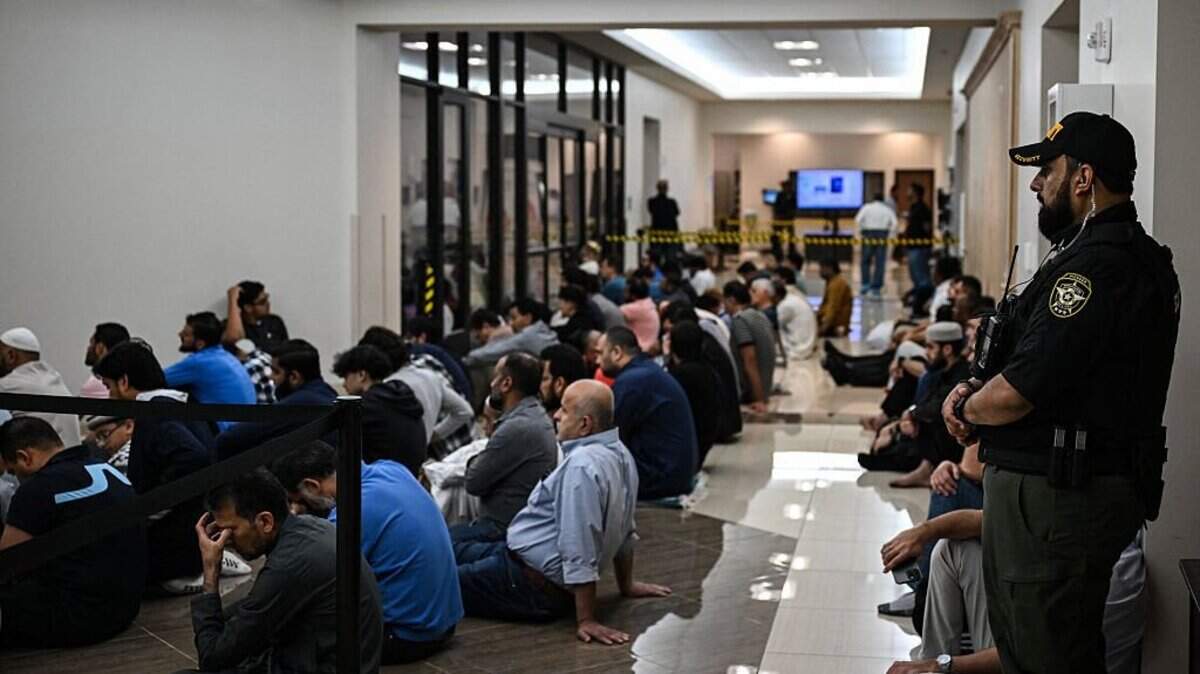
If your local government spends time on something that’s symbolic, unenforceable and responsive to a “threat” that is theoretical at best, you don’t even have to look at a calendar to know it’s election season.
The Keller City Council approved a resolution Tuesday night to affirm that the Tarrant County suburb is governed by the U.S. Constitution and federal, state and local laws. The original point, however, was to reject sharia law, an Islamic code. While cooler heads prevailed and the resolution was amended to avoid direct mention of Islam, the topic is increasingly a go-to for leaders looking for the next bogeyman to amp up Republican voters.
Under fundamentalist Islamic regimes, sharia imposes a harsh way of life, particularly for women. Some fear that as communities, especially in Europe, develop larger Muslim populations, mosques may attempt to overlay sharia onto local law and customs or even displace them.
Keller’s sudden urgent interest in the topic was driven, we’re sorry to say, by Mayor Armin Mizani. He is running for a Texas House seat, and based on his behavior, he must not believe his record and capabilities are enough to win a contested primary against Fred Tate of Colleyville and Zdenka “Zee” Wilcox of Southlake. Nor was a simple proclamation from the mayor that Keller isn’t open to Muslims … er, specifically sharia. It requires the official imprimatur of the City Council to demonstrate how tough Mizani is on Islam … er, sharia. Sorry, we keep getting the motive confused.
There’s no risk sharia will take root in Keller, Texas
It should go without saying that Keller is at absolutely zero risk of sharia taking root. About 1% of the city’s residents are Muslims, according to the nonprofit Pew Research Center, which studies the nation’s religious composition. An Islamic center serving Keller is actually located in Fort Worth.
More to the point, though, is the simple fact that the supremacy of constitutional and statutory law are well-established. There is no question, and Keller restating it is about as useful as if the council declared that the sun will come up tomorrow.
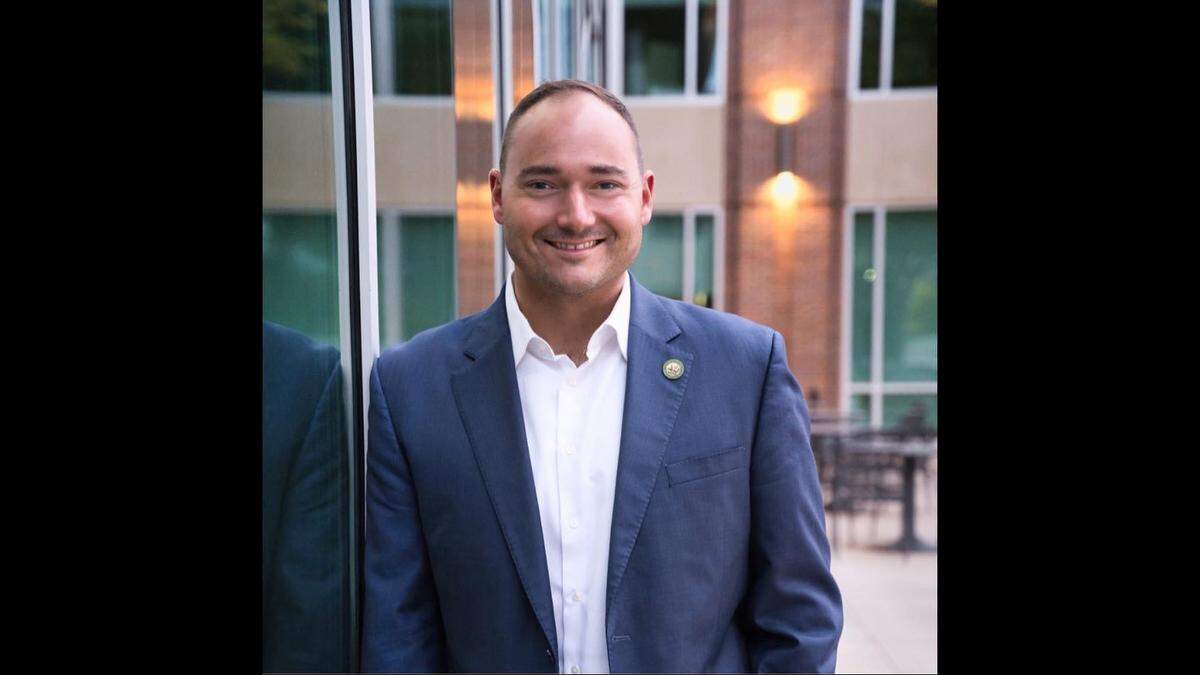
Mizani, a Catholic who is of Iranian and Cuban descent, has built his campaign around division. He pushed for the city to participate in a federal program known as 287(g), which allows for police to cooperate with immigration enforcement. The City Council effectively reversed an invitation to an Episcopal priest to deliver an opening prayer at a meeting. That priest had allowed a LGBTQ event at his church, one that Mizani criticized. And now, the mayor has tried to flog a threat that does not exist because some people will react based on the religion implicated.
The mayor is far from alone in this. Top Texas leaders, including Sen. John Cornyn, Gov. Greg Abbott and Attorney General Ken Paxton, have launched a crusade against a Collin County mosque’s effort to create a planned community. Their attention to the cause has been unrelenting. To stoke the fires of fear in their party, they’ve violated several conservative principles, including private property rights and marshalling the regulatory apparatus to target a private entity.
We’ve noted this before, but it’s so stunning, it bears repeating: Abbott, no fan of significant environmental regulation, even sicced the Texas Commission on Environmental Quality on the project, warning of violations before a single spade of dirt had been turned. Suddenly, erecting muscular bureaucratic obstacles to private-property use is a Texas Republican principle.
Concern about Islamic communities in Europe
Some of this is driven by a kernel of legitimate concern about radical Islam’s influence in the West, particularly in European countries that have taken in large numbers of immigrants from the Middle East. A disturbing rise in antisemitism and violence or threats against Jews raises the stakes, even here.
But America is not Western Europe. Our strong constitution — the very one that Mizani’s abusive resolution cited and that the refined version hails — prevents usurpation by an outside legal structure. We have clear lines of authority about how and where laws apply. And we have a history of assimilating immigrants, even if debate is raging about how well that’s working in modern times.
Political concerns about sharia are not new. More than a decade ago, Irving Mayor Beth Van Duyne, now a member of Congress, questioned whether an Islamic dispute-mediation service might violate women’s rights in the name of sharia. Funny that similar concerns aren’t raised about, say, fundamentalist Christian marriage counseling.
Fear is a regular feature of political campaigns on all sides, especially when candidates are trying to stand out to the most dedicated primary voters. But the more a campaign relies on it, the less a candidate has to offer.
Keep that in mind if Keller keeps chasing ghosts, presumably right up to the March 3 primary.
BEHIND THE STORY
MOREHey, who writes these editorials?
Editorials are the positions of the Editorial Board, which serves as the Fort Worth Star-Telegram’s institutional voice. The members of the board are: Cynthia M. Allen, columnist; Steve Coffman, editor and president; Bud Kennedy, columnist; and Ryan J. Rusak, opinion editor. Most editorials are written by Rusak. Editorials are unsigned because they represent the board’s consensus positions, not necessarily the views of individual writers.
Read more by clicking the arrow in the upper right.
How are topics and positions chosen?
The Editorial Board meets regularly to discuss issues in the news and what points should be made in editorials. We strive to build a consensus to produce the strongest editorials possible, but when we differ, we put matters to a vote.
The board aims to be consistent with stances it has taken in the past but usually engages in a fresh discussion based on new developments and different perspectives.
We focus on local and state news, though we will also weigh in on national issues with an eye toward their impact on Texas or the Dallas-Fort Worth area.
How are these different from news articles or signed columns?
News reporters strive to keep their opinions out of what they write. They have no input on the Editorial Board’s stances. The board consults their reporting and expertise but does its own research for editorials.
Signed columns by writers such as Allen, Kennedy and Rusak contain the writer’s personal opinions.
How can I respond to an editorial, suggest a topic or ask a question?
We invite readers to write letters to be considered for publication. The preferred method is an email to letters@star-telegram.com. To suggest a topic or ask a question, please email Rusak directly at rrusak@star-telegram.com.
This story was originally published January 6, 2026 at 1:27 PM.