
Too cool for school? Hardly. Districts overreacted by closing for arctic blast | Opinion

It’s abnormally frigid in Texas right now and most of us aren’t used to being cold and seeing snow in Fort Worth. But was it too dangerous Tuesday for most kids to go to school? We don’t think so.
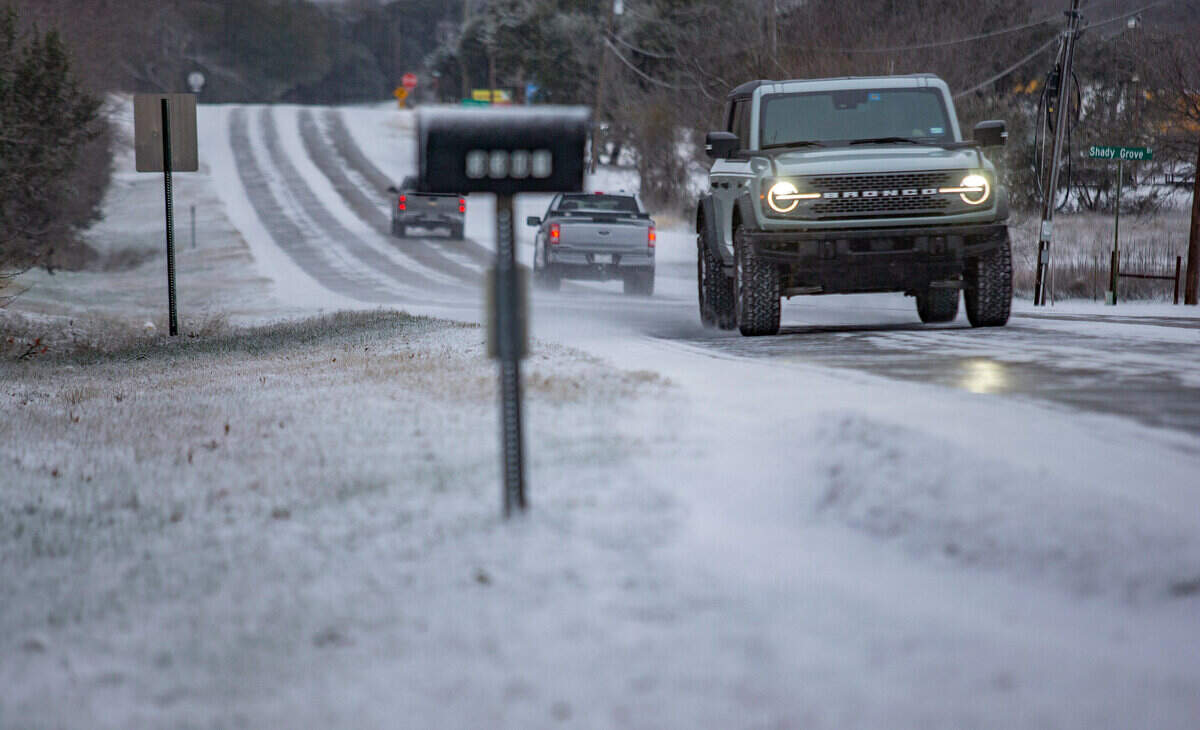
Temperatures hovered around 15 degrees in Fort Worth on Monday, colder in some areas, and part of the region saw up to 2 inches of snow, though most areas of Fort Worth received just a light coating. Many districts declared Monday afternoon they would stay closed Tuesday, even with the possibility of icy roads remote.
Most buses could have run. Districts could have opened late if necessary. It’s not like a few minutes at the bus stop in the cold would be any real danger to children.
Simply put, if we don’t have schools and transport systems that can handle cold weather that doesn’t come with significant ice, we should. It’s become far too easy for schools to just close down, and if that seems prudent, consider the tradeoffs for families and the cost to learning.
It’s expected to get cold again towards the end of the week and it’s still only mid-January. We could see another cold snap or two before we inch towards spring. Will schools close intermittently all winter if it’s only chilly?
Several districts, such as Keller, Everman, Fort Worth and Grand Prairie, cited chilly temperatures. Some — Crowley, Mansfield, and Arlington, for instance — also cited potentially dangerous travel conditions. And in some areas, those were more of a possibility, as the previous night’s precipitation re-froze.
But elsewhere, it was just … cold. That isn’t fun for most Texans, but even temperatures in the teens or 20s are manageable as long as kids have a coat, hat and gloves. In fact, in Scandinavian countries, where people are more prepared and accustomed to ice and snow, kids are encouraged to embrace winter because of its health benefits. Point is, if kids are bundled up, a short wait for the bus in chilly air to and from school won’t hurt them.
As for roads, by Tuesday morning, and in some cases Monday afternoon, most were clear and dry. In some areas, snow could have thawed and frozen again Monday night, making for icy roads Tuesday morning. Fort Worth drivers just need to drive at a slower speed, allow plenty of room between vehicles on the road and be even more careful.
We know that all of the school districts build in “inclement weather” days into the calendar so that no instructional time is lost overall. But since the COVID pandemic, it seems like we’ve gotten away from regular, consistent instructional time. Kids just had winter breaks and the Martin Luther King Jr. holiday; imagine trying to teach fractions across such a broken-up schedule.
In one school calendar year, there are only two times before April that kids meet for a solid three weeks of learning at a time. One of those is right when school begins. Otherwise, the longest stretches of consistent learning happen at the end of the school year, in April and May (conveniently right during STAAR testing). Due to holidays from the beginning of November until the end of January, kids are only in school 44 of those 92 days.
Less class time might be more when it comes to lunch breaks and recess times — research overwhelmingly suggests elementary kids benefit from more and longer recess times — but less classroom instruction overall is not exactly more beneficial to kids, either. At some point, kids still need to be in class to learn.
Plus, cold temperatures and possible icy roads seem like a pretty subjective standard for school closures. Is 20 degrees warm enough? What about 31 degrees, just hovering below freezing? School administrators calling the shots need to buck up a bit.
Otherwise, at most levels, governments handled the arctic blast well. One exception was Fort Worth’s sanitation department, which switched up instructions twice in a matter of hours. First, those whose trash is picked up Monday or Tuesday were told they’d be skipped this week. Then, we were informed everyone’s collections would slide by a day.
How many people will miss their trash day because they saw the first message and not the second? Clear communication is a must, but so is consistency. Make a call and stick to it.
Aledo ISD had the right attitude when officials announced that they were staying open and even suggested how to handle it. “Sunshine has helped local roads to clear for safe travel tomorrow in Aledo ISD! We will have a regular school schedule Tues 1/16. It will be cold throughout the day & especially tomorrow a.m. at bus stops & during morning arrival so bundle up & stay safe, Bearcats!”
Sounds about right, Fort Worth. Next time, bundle everybody up and be on your way. The sun will come out tomorrow.
BEHIND THE STORY
MOREHey, who writes these editorials?
Editorials are the positions of the Editorial Board, which serves as the Fort Worth Star-Telegram’s institutional voice. The members of the board are: Cynthia M. Allen, columnist; Steve Coffman, editor and president; Bud Kennedy, columnist; Ryan J. Rusak, opinion editor; and Nicole Russell, editorial writer and columnist. Most editorials are written by Rusak or Russell. Editorials are unsigned because they represent the board’s consensus positions, not the views of individual writers.
Read more by clicking the arrow in the upper right.
How are topics and positions chosen?
The Editorial Board meets regularly to discuss issues in the news and what points should be made in editorials. We strive to build a consensus to produce the strongest editorials possible, but when we differ, we put matters to a vote.
The board aims to be consistent with stances it has taken in the past but usually engages in a fresh discussion based on new developments and different perspectives.
We focus on local and state news, though we will also weigh in on national issues with an eye toward their impact on Texas or the Dallas-Fort Worth area.
How are these different from news articles or signed columns?
News reporters strive to keep their opinions out of what they write. They have no input on the Editorial Board’s stances. The board consults their reporting and expertise but does its own research for editorials.
Signed columns by writers such as Allen, Kennedy and Rusak contain the writer’s personal opinions.
How can I respond to an editorial, suggest a topic or ask a question?
We invite readers to write letters to be considered for publication. The preferred method is an email to letters@star-telegram.com. To suggest a topic or ask a question, please email Rusak directly at rrusak@star-telegram.com.