
A sad sign of the times: Security prompts FWISD, others to cancel school on Election Day
The Fort Worth school district, like many of its large counterparts across the state, will give students a holiday on Election Day because many schools will serve as polling places. It’s a sound, logical decision driven by understandable concerns about people having unusual access to schools — especially after the Uvalde shooting.
It’s also a lamentable sign of the increasing cost of our overheated politics.
FWISD board members voted last month to accept administrators’ recommendations to close schools on Nov. 8, when about a quarter of campuses will serve as polling locations. Karen Molinar, a longtime district leader serving as interim superintendent at the time, told trustees that keeping students home and having staff work on professional development activities was prudent.
“That way … we’re able to keep those campuses safe and secure and not allow any visitors to wander throughout our buildings,” she said.
Molinar did not mention concerns about possible disruptions at the polls, and district officials told the Star-Telegram Editorial Board that the only concern was “having a large number of people in and out of the campus building on this day. “
But it’s impossible to overlook increased worries about trouble from poll watchers, who were given new latitude by election legislation approved last year in Austin. Election officials and voting-rights activists are concerned that the obsessive hunt for fraud or efforts to intimidate voters will lead volunteers to hassle election workers and perhaps even voters. And the potential for clashes with those who turn out to watch the watchers is real.
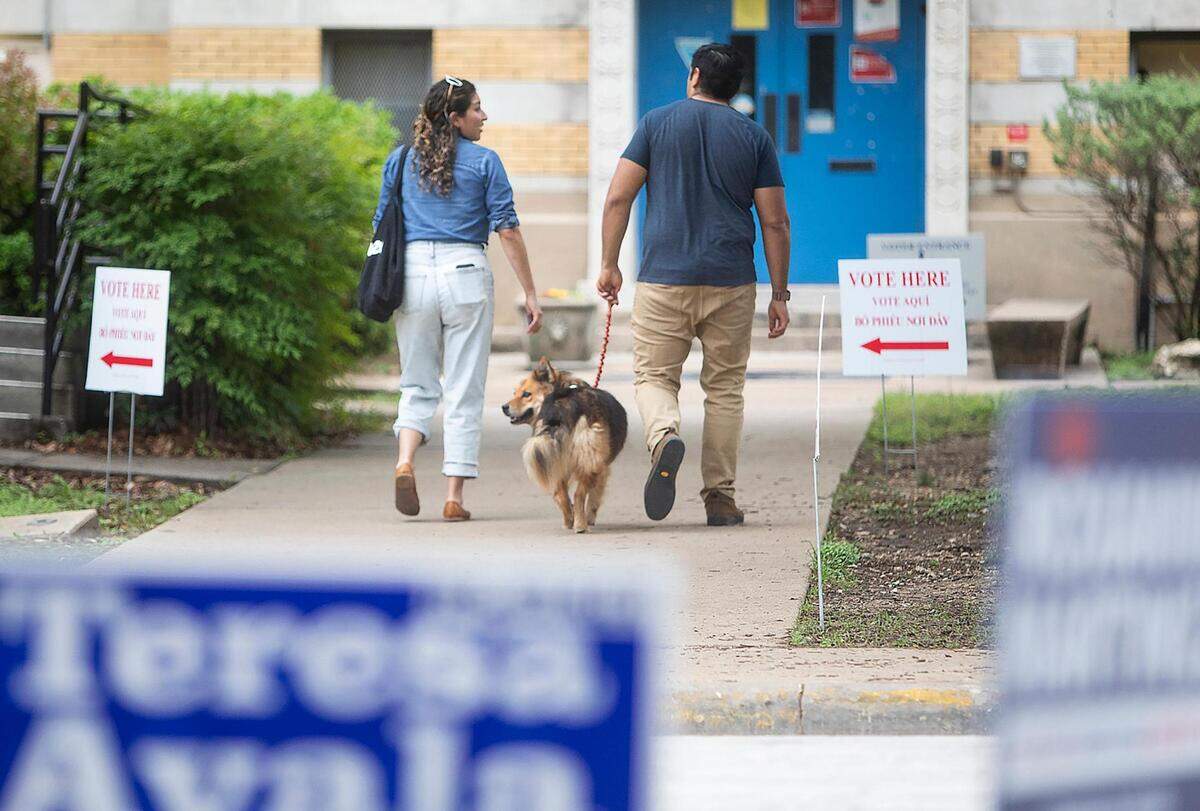
FWISD officials said there’s no history of threats to students when schools double as election sites. But in her presentation to the district, Molinar noted that one benefit of closing schools is that the district can divert security to campuses with voting on site.
School safety is always a concern, only heightened by the horrific May massacre in Uvalde. No district leader wants to risk being the one who turned down a security recommendation, only to see tragedy strike. If there’s a call to be made, they’re erring on the side of caution.
There are also logistical difficulties for voters, including increased traffic at pickup and drop-off times and problems for those who need to use curbside voting.
And besides, it’s just one day, right?
Perhaps, but few students — especially in Fort Worth ISD — can afford to lose classroom time. We’ve cataloged the trouble our education system is in, the failure in huge numbers of districts to teach kids even the basics, let alone get them ready for the modern workforce.
District officials say, correctly, that they have the flexibility to take the Nov. 8 holiday and still ensure that students will achieve the minimum level of instruction time required by the state.
Good. But Fort Worth is hardly a district that should be satisfied with scraping by on classroom time.
It’s odd, too, that just 32 campuses serve as polling places, but the vast majority of FWISD’s 140 schools will close. District officials said it’s not “operationally logical” for a large district to close only some schools. That’s baffling. Schools close all the time when, say, a pipe bursts or the power goes out. Do tens of thousands of kids from other campuses go home then, too?
Voting should be a community celebration, a reminder that whatever our differences, we solve them at the ballot box, and everyone gets a say. Children need exposure to that ideal, too. Even when it’s not working ideally.
What are we teaching when we keep them away because people will be present on campus, especially when they’re there to do a civic duty we must imbue in youth? At the very least, high school students who are of age should use the free time to make sure they cast a ballot.
School administrators can’t solve these larger issues. They’re acting prudently with a monumental security challenge.
The rest of us should think hard about how we put them in position.
BEHIND THE STORY
MOREHey, who writes these editorials?
Editorials are the positions of the Editorial Board, which serves as the Fort Worth Star-Telegram’s institutional voice. The members of the board are: Cynthia M. Allen, columnist; Steve Coffman, editor and president; Bud Kennedy, columnist; Ryan J. Rusak, opinion editor; and Nicole Russell, editorial writer and columnist. Most editorials are written by Rusak or Russell. Editorials are unsigned because they represent the board’s consensus positions, not the views of individual writers.
Read more by clicking the arrow in the upper right.
How are topics and positions chosen?
The Editorial Board meets regularly to discuss issues in the news and what points should be made in editorials. We strive to build a consensus to produce the strongest editorials possible, but when we differ, we put matters to a vote.
The board aims to be consistent with stances it has taken in the past but usually engages in a fresh discussion based on new developments and different perspectives.
We focus on local and state news, though we will also weigh in on national issues with an eye toward their impact on Texas or the Dallas-Fort Worth area.
How are these different from news articles or signed columns?
News reporters strive to keep their opinions out of what they write. They have no input on the Editorial Board’s stances. The board consults their reporting and expertise but does its own research for editorials.
Signed columns by writers such as Allen, Kennedy and Rusak contain the writer’s personal opinions.
How can I respond to an editorial, suggest a topic or ask a question?
We invite readers to write letters to be considered for publication. The preferred method is an email to letters@star-telegram.com. To suggest a topic or ask a question, please email Rusak directly at rrusak@star-telegram.com.