
Here’s one Texas crisis you won’t hear enough about in Abbott-O’Rourke governor debate
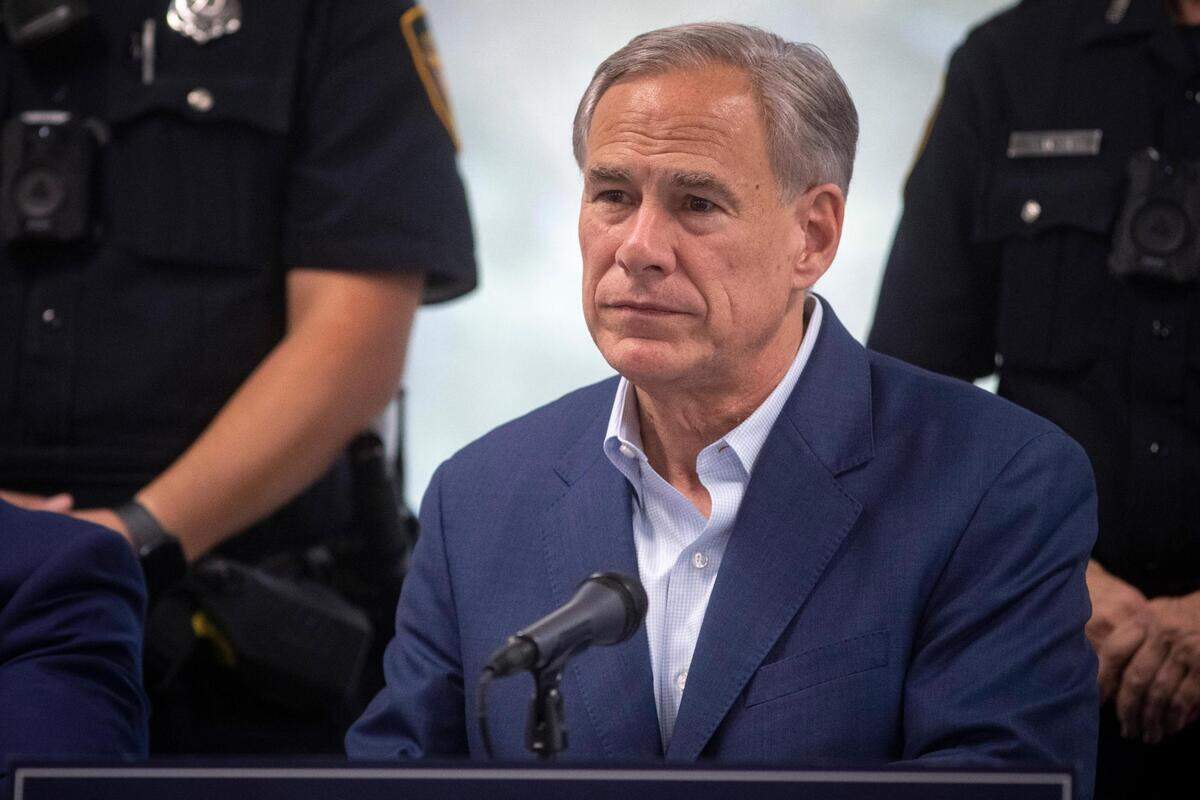
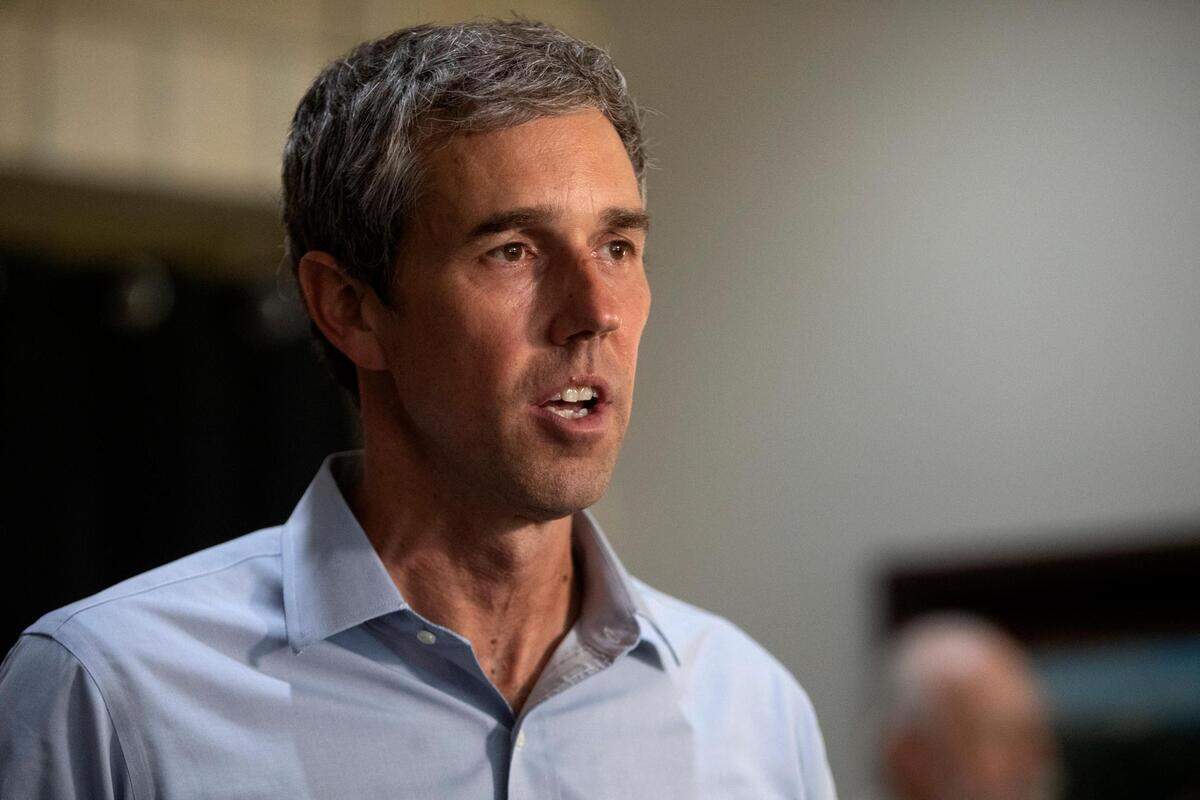
If you tune into the Texas governor debate Friday night, you’ll hear Republican Gov. Greg Abbott and Democrat challenger Beto O’Rourke talk about important issues: immigration and border security, abortion, property taxes and the power grid.
What you probably won’t hear is a substantive back-and-forth on the issue that should be akin to a four-alarm fire in our state, and that’s education. Sure, Abbott will mention school choice, and O’Rourke might argue he’ll do more for teachers. They could spar over books in libraries or topics in history class.
But detailed answers about how to fix the achievement problem — the huge numbers of Texas students who can’t read, write or do math on the appropriate grade level — won’t get enough attention. The pandemic made a long-standing problem into a full-blown crisis.
We get it, to a degree: It’s not a sexy political topic. Everyone agrees education is vital and it often seems like the system hums along steadily enough.
For all our state pride and money pouring into the system — the state spends about $60 billion on public schools, with tens of billions more in local property taxes and federal funds — Texas lags nationwide.
The 2019 federal report card shows just how much Texas’ kids are flailing in reading: Just 30% of students performed at or above the Nation’s Report Card proficient level. The number hasn’t budged much in decades. It’s time to reevaluate how we’re teaching kids to read and write.
Texas kids are doing slightly better in math. About 44% of kids are at or above the Nation’s Report Card proficient level. That has improved greatly: In 2000, it was only at 25%. But that’s still more than half lagging where they should be.
While our own Fort Worth ISD recently made some slight improvements, it’s only after it’s had significant challenges for a long time. We have long said students at Fort Worth ISD schools need a solid foundation in reading, math and other basic skills — and providing this has eluded teachers and administrators. Test scores have been appalling for years, made worse by the pandemic.
Too much of our attention to education is eaten up by social controversies over issues such as equity, race and gender issues — even bullying. While these are important and tend to make the news, our politicians should focus on basic skills children need to function in life and in the workforce.
Perhaps fewer conversations about pronouns or critical race theory and more conversations about how to teach students to construct a sentence or even just how to read one?
Too often, measuring schools is reduced to budget talk. Yes, robust funding is important. Paying good teachers to stay in the job is a high priority. But money alone isn’t the answer. Something is missing in our approach to teaching, especially among disadvantaged children.
There’s another reason Abbott and O’Rourke won’t talk about student achievement much in their debate: The voters aren’t demanding it. In an August University of Texas/Texas Politics Projects poll, just 3% said it was the most important issue to their vote, one of the lowest rankings among the given choices.
We know, though, that communities care about their schools. Not enough consider the bigger picture, the struggles in school districts beyond their own. Texas education is a big, complicated system, and it seems to float along quietly in the background. Voters must realize that the choices lawmakers and leaders make now will affect the state for decades.
A poorly educated workforce may be the biggest impediment to sustaining Texas’ economic growth. Businesses won’t come to — or stay in — a place where they can’t find the workers they need.
So as we face another choice for the person who leads Texas for four years, are we really OK with a large percentage of our students struggling to even read? Are we really OK with knowing out of 50 states, Texas is at best in the middle of the pack?
We can do better, and our kids deserve it. But if we don’t demand leaders pay attention, it won’t happen. Friday night, remember to think about what Abbott and O’Rourke aren’t talking about.
BEHIND THE STORY
MOREHey, who writes these editorials?
Editorials are the positions of the Editorial Board, which serves as the Fort Worth Star-Telegram’s institutional voice. The members of the board are: Cynthia M. Allen, columnist; Steve Coffman, editor and president; Bud Kennedy, columnist; Ryan J. Rusak, opinion editor; and Nicole Russell, editorial writer and columnist. Most editorials are written by Rusak or Russell. Editorials are unsigned because they represent the board’s consensus positions, not the views of individual writers.
Read more by clicking the arrow in the upper right.
How are topics and positions chosen?
The Editorial Board meets regularly to discuss issues in the news and what points should be made in editorials. We strive to build a consensus to produce the strongest editorials possible, but when we differ, we put matters to a vote.
The board aims to be consistent with stances it has taken in the past but usually engages in a fresh discussion based on new developments and different perspectives.
We focus on local and state news, though we will also weigh in on national issues with an eye toward their impact on Texas or the Dallas-Fort Worth area.
How are these different from news articles or signed columns?
News reporters strive to keep their opinions out of what they write. They have no input on the Editorial Board’s stances. The board consults their reporting and expertise but does its own research for editorials.
Signed columns by writers such as Allen, Kennedy and Rusak contain the writer’s personal opinions.
How can I respond to an editorial, suggest a topic or ask a question?
We invite readers to write letters to be considered for publication. The preferred method is an email to letters@star-telegram.com. To suggest a topic or ask a question, please email Rusak directly at rrusak@star-telegram.com.
This story was originally published September 29, 2022 at 4:44 PM.