
JPS hospital won’t shoot straight about your money. Tarrant leaders, demand answers | Opinion
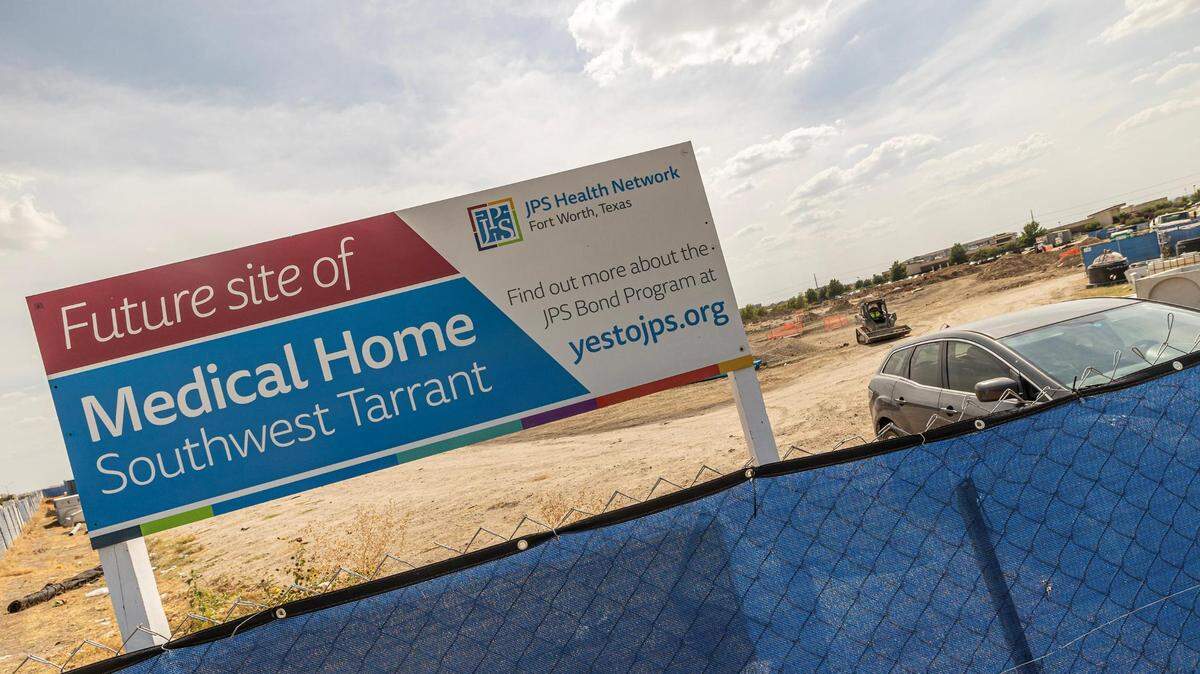
There’s an old saying in politics: If you’re explaining, you’re losing. But lately, when JPS Health Network officials are explaining what’s going on with the 2018 bond program meant to expand the county’s health offerings, it’s the public who’s on the losing end.
As the price tag has been projected to grow to $1.5 billion or more, it’s become harder to get clear answers on what taxpayers will get for their money. First, there was confusion about building “medical homes,” one-stop shopping clinics to improve overall care for needy patients. County leaders are still all over the map on that one.
And now, there’s uncertainty about expanding the system’s capacity for mental healthcare — a much-needed tool that will trickle down to one of Tarrant County’s most troubling ongoing issues, the overcrowded, understaffed county jail.
It’s understandable that priorities may have changed and that construction costs have risen. It’s a tough call to spend more to get everything done and even harder to decide what gets left on the shelf. But when Star-Telegram journalists have tried to get clarity, they’ve gotten different answers from various officials and smokescreens from JPS. Enough is enough — voters deserve clear information, and county commissioners need to demand that the board members they appoint provide it.
On the medical homes, longtime county administrator G.K. Maenius, who just retired, confirmed that current plans call for one, not four. But JPS chief executive Karen Duncan said that’s not necessarily set in stone, and Precinct 1 Commissioner Roy Charles Brooks told the Star-Telegram that even more county money beyond the $800 million approved in bonds could come into play.
The idea of the medical home is to disperse resources around the county for people who need help managing chronic illness or need a variety of services. That can result in better care and cost savings.
The medical homes were politically important to the bond issue, too. Ensuring some of the bond money would fund a facility in southeast Tarrant County helped avoid opposition to the proposal among fiscal hawks in a low-turnout vote.
Confusion over the expansion of behavioral health services is unsettling. Original plans called for nearly 300 new beds for psychiatric care. It’s unclear if those plans have advanced or changed, and a JPS spokesperson ducked questions from reporter Ciara McCarthy. Are new beds still in play? JPS says the county plans no reduction but would not say if that’s from the current level or the projected need.
It’s not an issue to play games with. When there isn’t sufficient capacity for mental-health treatment, people who are arrested and need medical help end up languishing in the jail. It’s a tremendous burden on the Sheriff’s Office, inefficient for taxpayers and an appalling way to approach mental-health care.
The county’s leaders are determined to reduce budgets and property taxes, and they’ve been off to a good start. But big savings come from tackling big problems, and mental health is one of the biggest.
When voters agree to let their governments issue bonds, there’s an expectation that the funds will be prudently managed and voters will get what they’re promised — or else clear explanations of why plans changed. Five years in, Tarrant County voters aren’t getting any of that, and it’s time for a serious review of why.