
Tarrant County property tax cuts? Check. But we need more info about JPS budget | Opinion
It’s a cliche that politicians never keep their promises. So, two cheers for Tarrant County Judge Tim O’Hare and county commissioners, who have been true to their word about truly reducing property taxes and reining in spending.
We’re holding back the third cheer because the budget cuts are modest and fairly easily achieved, and we have concerns about fulfilling the health care needs of a booming county. But county government is on track to be slightly smaller after years of growth, and that’s important.
Homeowners have become cynical, and rightly so, when local officials tell them they’ve cut property tax rates. After all, any reduction is swamped by runaway increases in property appraisals, so they end up paying more.
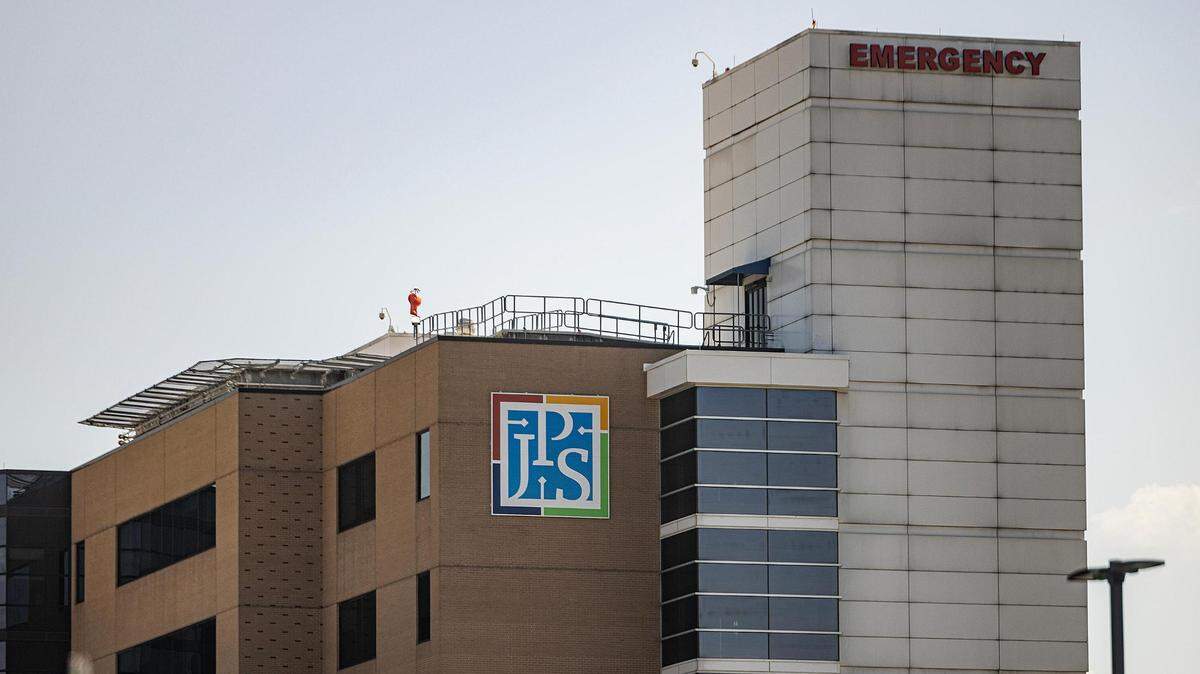
Not this time. County commissioners have unanimously voted to create a homestead exemption, which lowers the taxation base for a homeowner. They have endorsed tax rates that cut enough from the current figure for both the county and the John Peter Smith hospital system that will result in real cuts. The hospital system’s board wanted to keep the rate intact, even as property values rise yet again.
JPS’ top boss, Dr. Karen Duncan, acknowledged that services would not be harmed by the cut. And as O’Hare noted, the hospital system has built up nearly a year’s worth of emergency reserves in recent revenue-rich budget cycles.
Combine it with the state’s action to slash school property taxes (pending voter approval), and Tarrant County property owners are finally on track to get real relief.
County officials are targeting bloat and overcautious budgeting. Good for them. The cuts shouldn’t result in disruptions to services. And if anything, this is an opportunity for commissioners to take a hard look at JPS’ fiscal management. Recent budget discussions reveal that the 2018 bond program, badly needed to expand the system’s services and improve preventive care, is expected to exceed $1.5 billion, the most recent estimate.
Much of that is due to inflation that planners could not have anticipated. But then, extended delays on the projects were sure to mean less bang for the buck.
Plus, it’s hard for the public to make judgments when the hospital district jealously guards budget data. Officials required a Star-Telegram reporter to file a formal request for what should be the most readily attainable public information: the budgeting and use of taxpayer dollars. If anything, it should be instantly posted and updated on an easy-to-access website.
By requiring a request for what it knows is legitimately public information, the district is cynically running the clock on evaluations of its spending plans at a time when its fiscal management is seriously in question.
That said, the bond projects remain vital, and health care access in Texas has taken another blow. Half a million Texans have recently lost coverage under Medicaid, and if those in Tarrant County need care, it’s likely to come from JPS — and without adequate state or federal compensation. Fiscal discipline now will pay off later if new needs arise.
On the county’s budget, the trim is modest — $8.1 million on a budget approaching $900 million. And Tarrant has significant problems to address, perhaps most urgently the hiring, training and retention of enough deputies to improve operations in the jail.
O’Hare pledged while campaigning last fall to cut the county’s property tax rate by 20%, partly through job attrition and consolidating functions. It’s likely that cost savings have piled up through a round of highly paid workers retiring, some earlier than expected. The new rate gets more than halfway to O’Hare’s goal, and considering the new homestead exemption, homeowners will see about the total cut he advocated. But going forward, matching or expanding the cuts without harming services could be challenging.
For now, though, voters are getting what they asked for: tax cuts and (slightly) smaller government. In a time of deep cynicism about our political institutions, that can only be a good thing.
BEHIND THE STORY
MOREHey, who writes these editorials?
Editorials are the positions of the Editorial Board, which serves as the Fort Worth Star-Telegram’s institutional voice. The members of the board are: Cynthia M. Allen, columnist; Steve Coffman, editor and president; Bud Kennedy, columnist; Ryan J. Rusak, opinion editor; and Nicole Russell, editorial writer and columnist. Most editorials are written by Rusak or Russell. Editorials are unsigned because they represent the board’s consensus positions, not the views of individual writers.
Read more by clicking the arrow in the upper right.
How are topics and positions chosen?
The Editorial Board meets regularly to discuss issues in the news and what points should be made in editorials. We strive to build a consensus to produce the strongest editorials possible, but when we differ, we put matters to a vote.
The board aims to be consistent with stances it has taken in the past but usually engages in a fresh discussion based on new developments and different perspectives.
We focus on local and state news, though we will also weigh in on national issues with an eye toward their impact on Texas or the Dallas-Fort Worth area.
How are these different from news articles or signed columns?
News reporters strive to keep their opinions out of what they write. They have no input on the Editorial Board’s stances. The board consults their reporting and expertise but does its own research for editorials.
Signed columns by writers such as Allen, Kennedy and Rusak contain the writer’s personal opinions.
How can I respond to an editorial, suggest a topic or ask a question?
We invite readers to write letters to be considered for publication. The preferred method is an email to letters@star-telegram.com. To suggest a topic or ask a question, please email Rusak directly at rrusak@star-telegram.com.
This story was originally published August 18, 2023 at 9:50 AM.