Impeachment trial is serious business. But Lt. Gov. Patrick, AG Paxton are mocking it | Opinion
READ MORE
The saga of Ken Paxton: Our Opinion coverage
Our Editorial Board has closely followed the saga of Attorney General Ken Paxton. Read our coverage to catch up on the issues in his impeachment, and check out our analysis as the trial unfolds.
Expand All
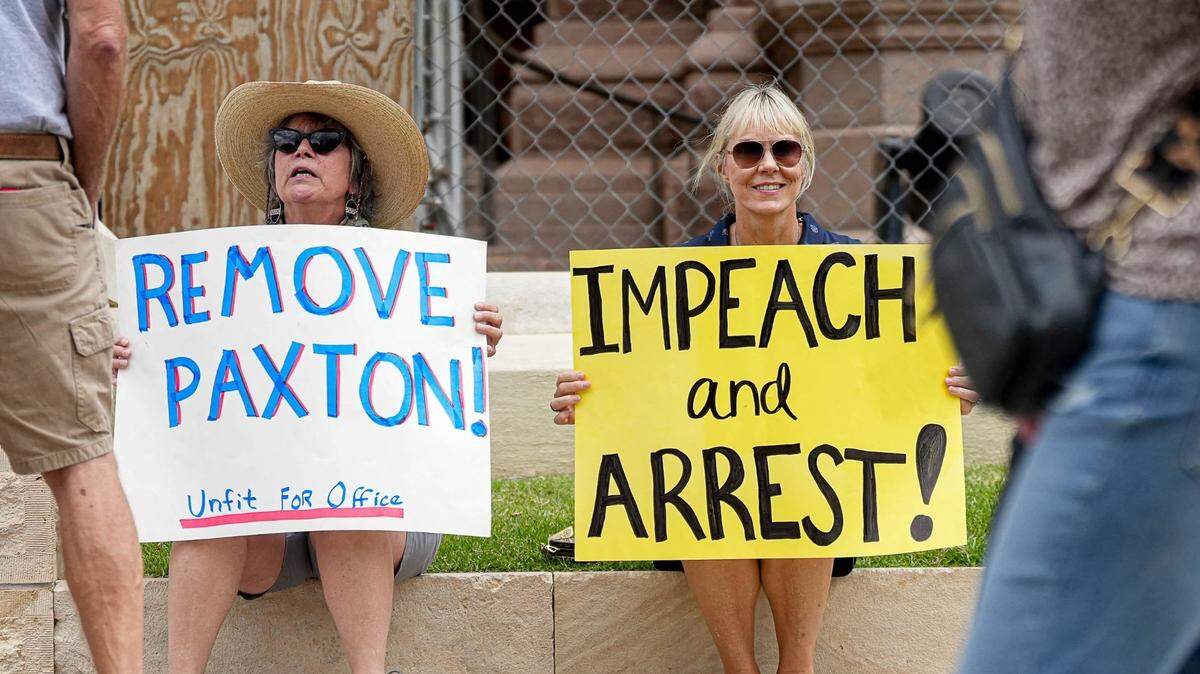
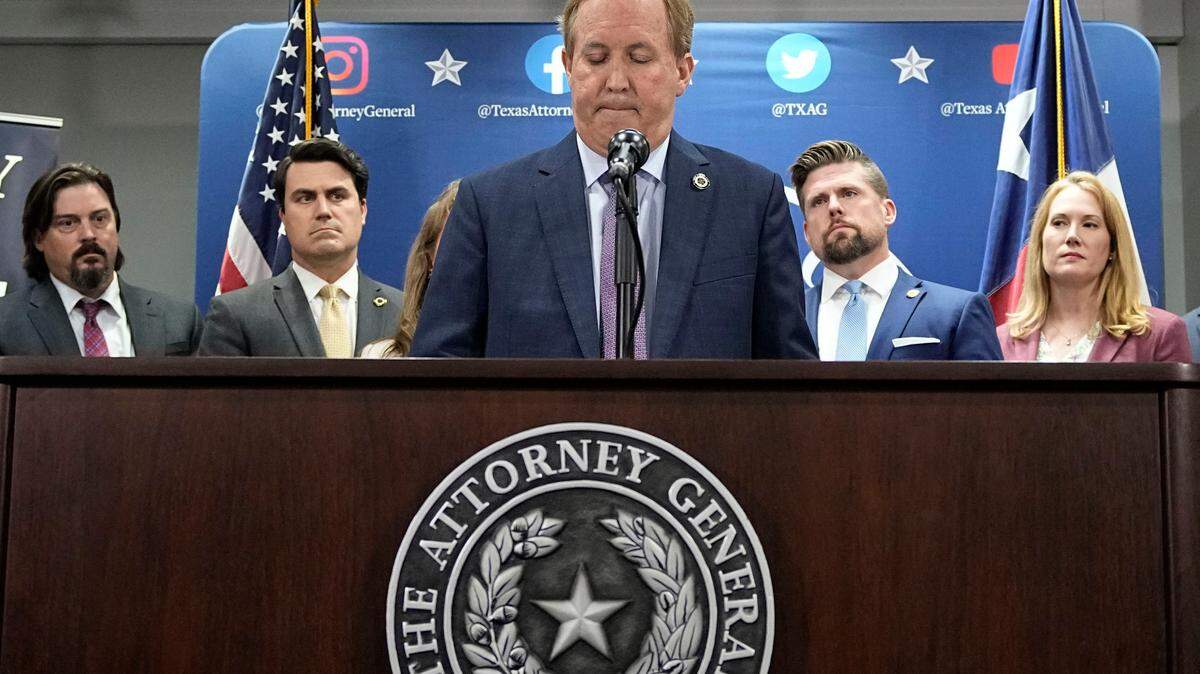
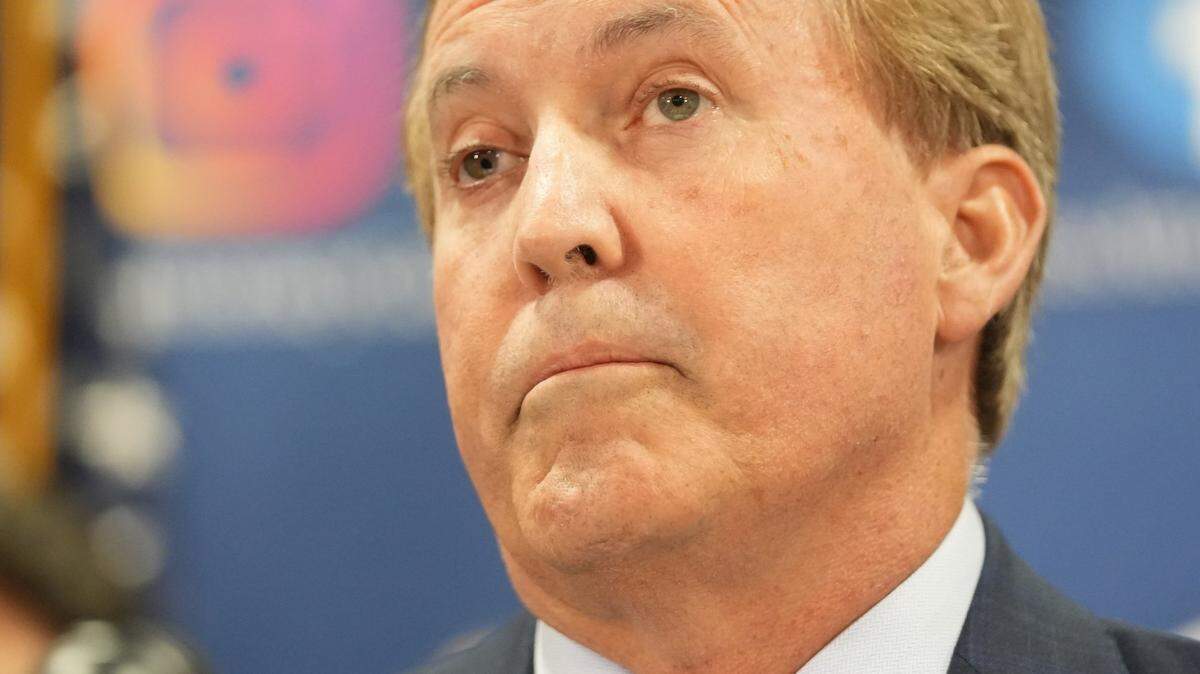
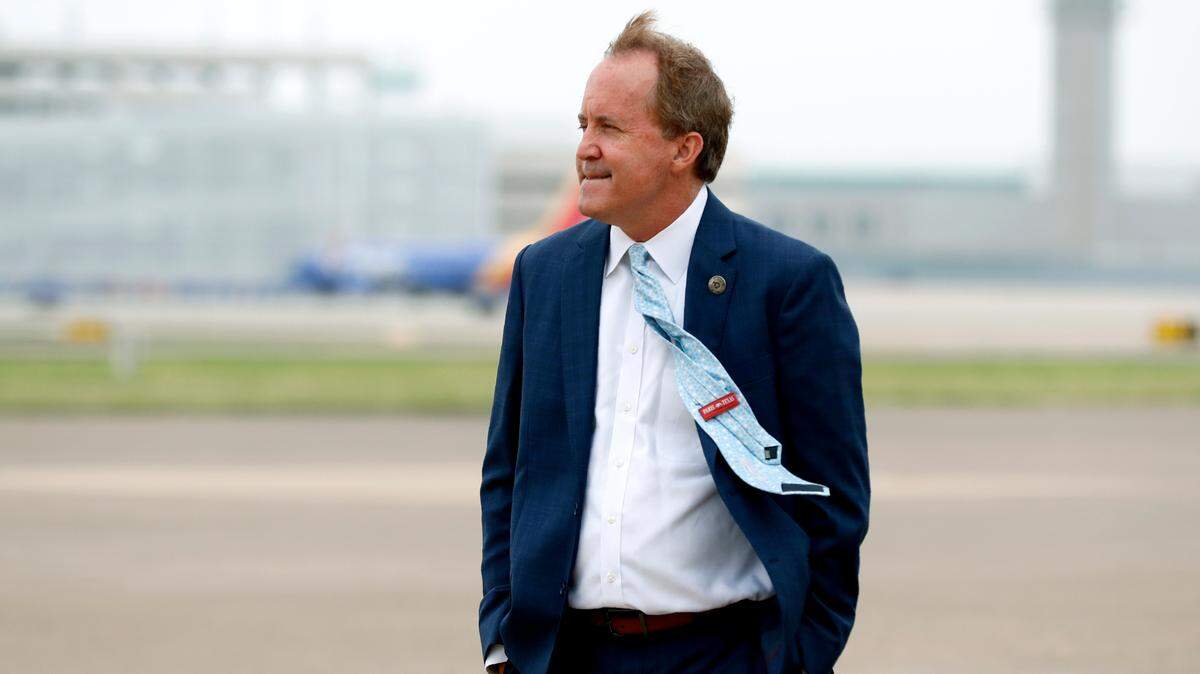
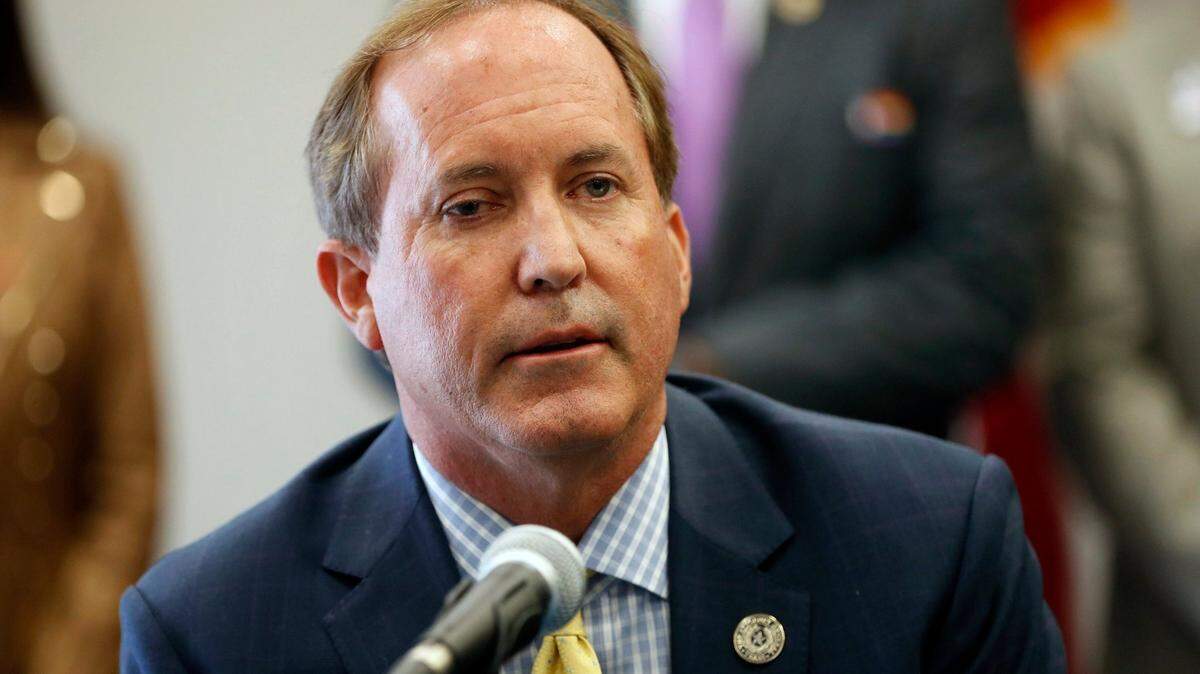
Texans are getting a double dose of misery over the next six weeks: the daily drumbeat of the summer heat and nonsense stemming from the impeachment case against Attorney General Ken Paxton.
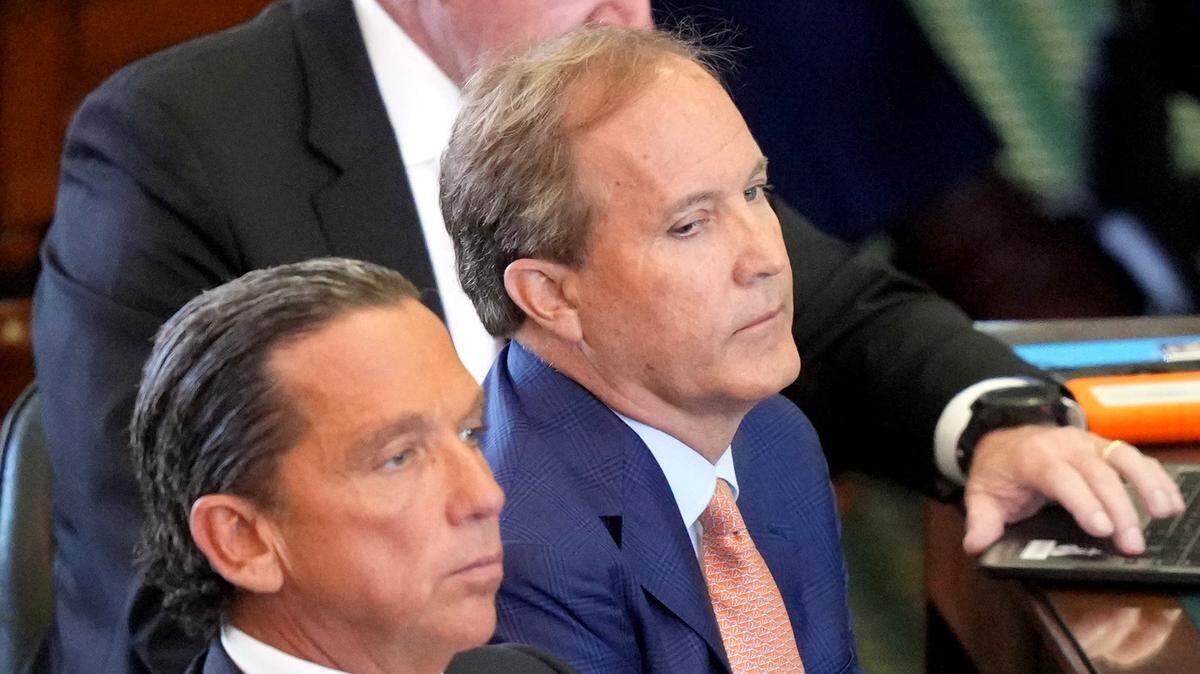
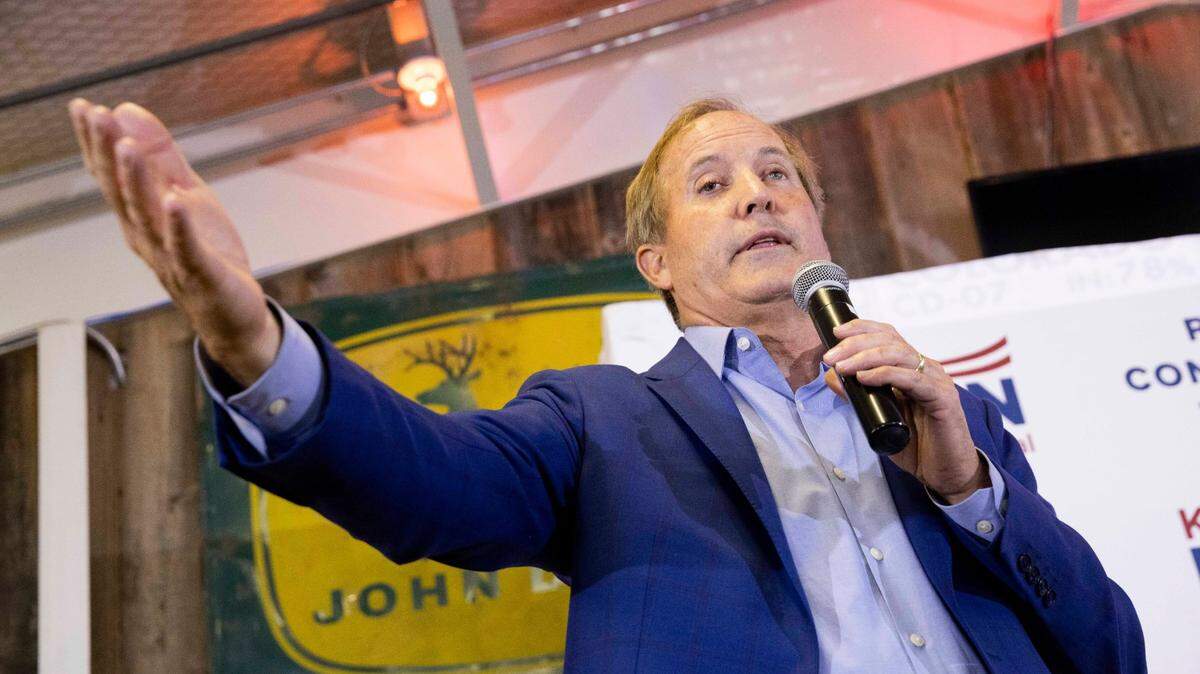
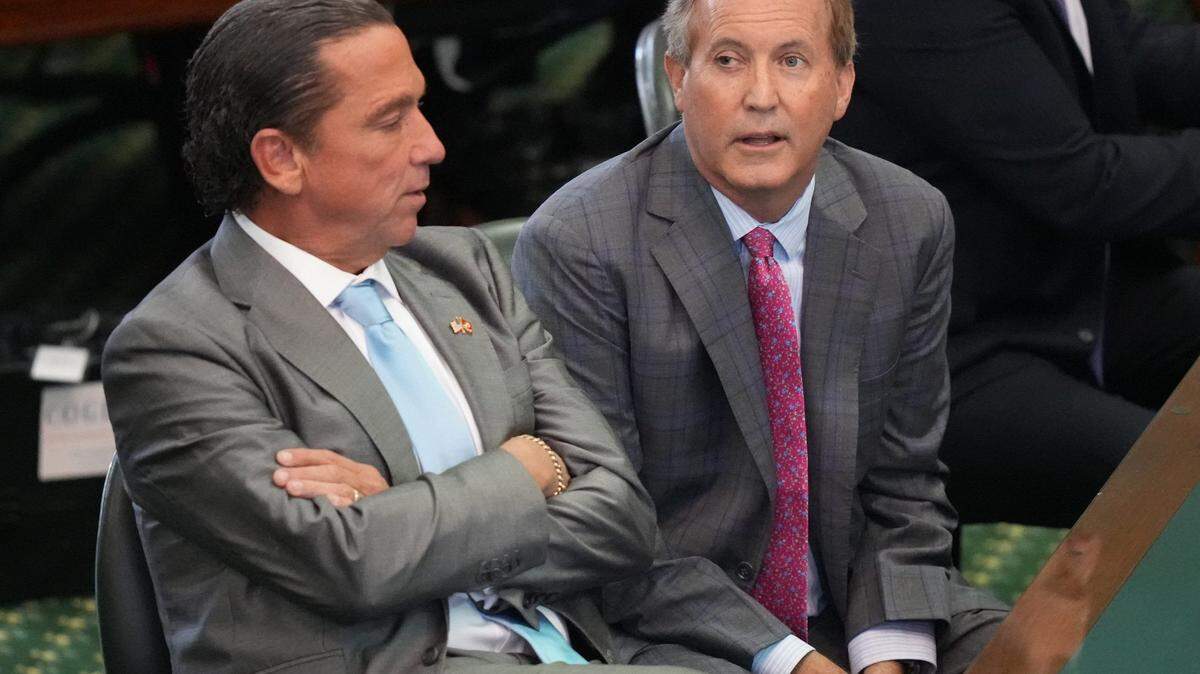
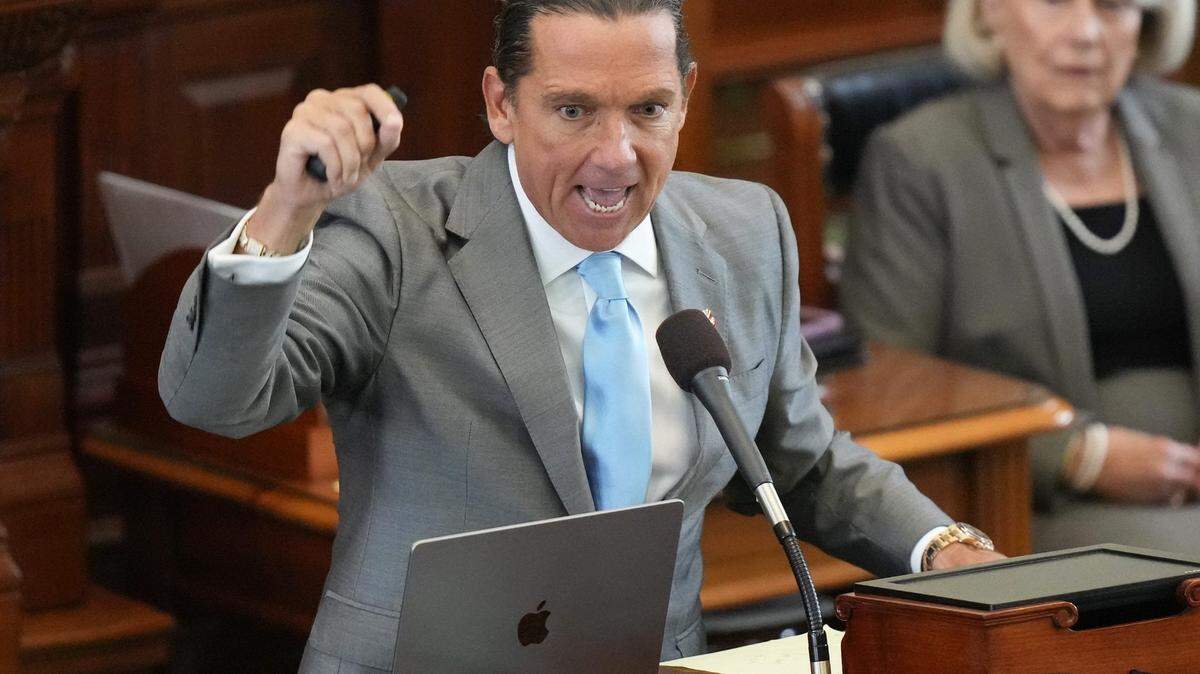
No one can do much about the weather, but our leaders owe us a lot better than the sniping that’s preceding Paxton’s Sept. 5 trial in the Senate. For starters, the suspended attorney general’s legal team is seeking to remove three duly elected Democratic senators from the “jury” that will decide if Paxton can return to office, arguing that past statements prove they cannot be impartial.
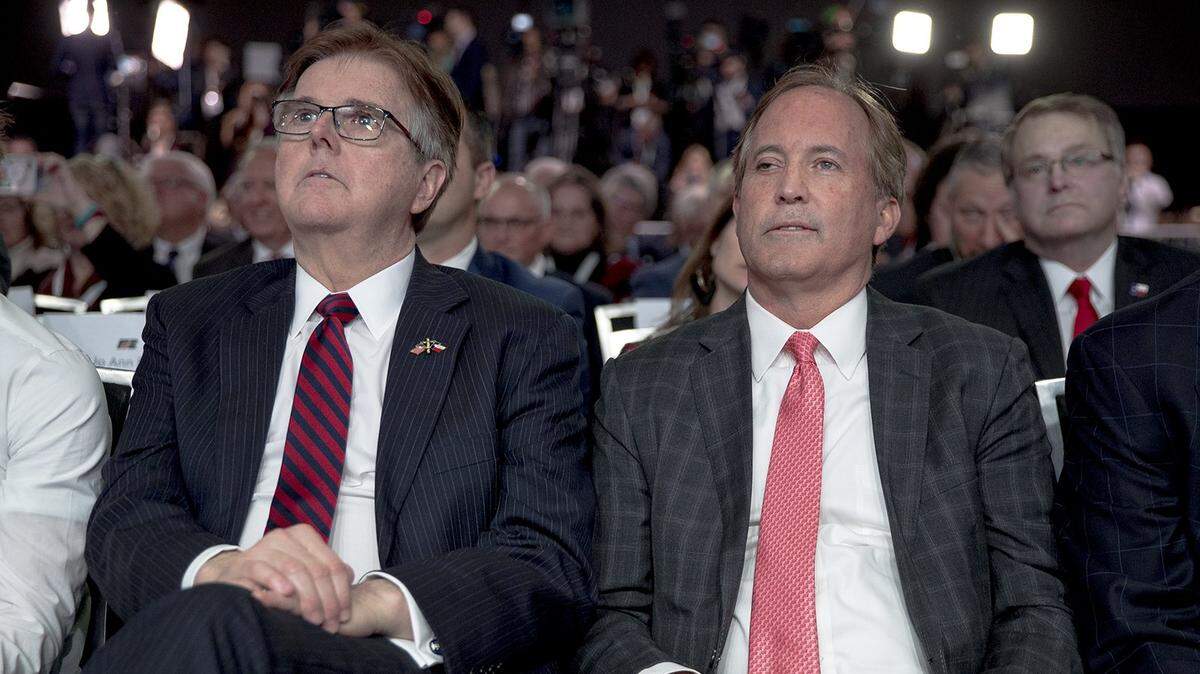
Worse, though, is Lt. Gov. Dan Patrick — the “judge” in this proceeding — reporting $1 million in campaign contributions and $2 million in loans from a West Texas political group that has made defending Paxton a priority.
In a criminal proceeding, that would be grounds for recusal or disqualification. But impeachment, as we’ve said before, is a political exercise. Analogies to court trials are useful but imperfect. Politics is messy, and when Republicans who have had alignments and disagreements, conflict of interest is unavoidable.
That said, even a political knife-fight should have standards. Does no one here have a sense of honor — or at least an adviser to whisper, “Sir, that might not be the best look?”
Paxton lost any sense of political propriety long ago — if he ever had one. He’s in the fight of his career. Still, he doesn’t get to choose his jury. Surely, some Democrats have essentially made up their minds to convict him — just as some Republicans firmly intend to vote to acquit.
By the standards of Paxton’s attorneys, anyone who endorsed him or one of his opponents couldn’t serve. A trial would be impossible.
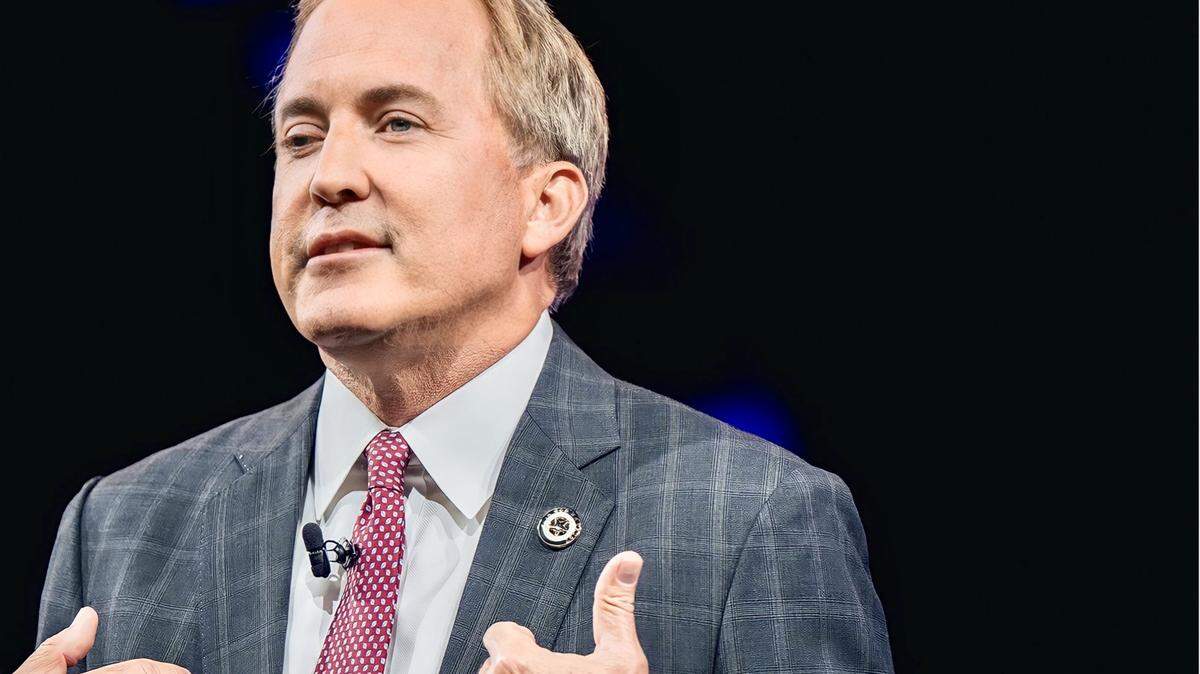
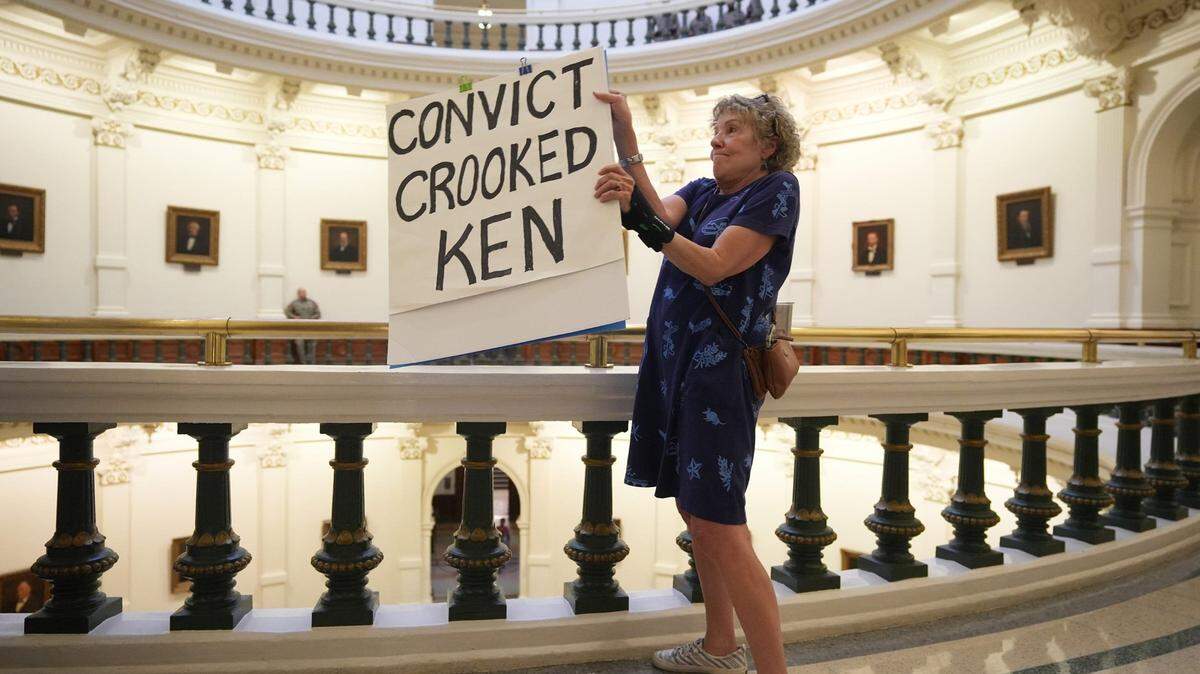
The charges against Paxton strike at the heart of the integrity of his office. He stands accused of accepting bribes, shaping policy to help a donor, and abusing his power. The trial must be above-board.
Every juror should do the right thing and examine the evidence openly and fairly. But the duly elected senators will have to make that call and answer to their voters; it’s inappropriate, even vulgar, for Paxton to smear some of them in advance.
Speaking of vulgarity, there might not be a better word for Patrick’s generous campaign donation from the Defend Texas Liberty PAC. The staunch-conservative group is largely funded by West Texas energy executives, and to be fair, its support of Patrick is not new or sudden. But the timing of the donation and loan for a state official more than two years out from his next campaign raises questions.
Presiding over the Paxton trial is the most significant thing Patrick will do in the near future. Accepting such largess from a group so dedicated to Paxton — and determined to inflict political retribution on the House members who impeached him — is an unacceptable conflict.
Patrick won re-election handily and won’t be on the ballot again until 2026. What’s so urgent that he needed a huge campaign loan?
When lawmakers are in session, they and statewide officials are prohibited from raising money. It’s one of Texas’ few strong campaign-donation regulations. In an ideal world, anyone connected with the Paxton trial would rebuff at least large-dollar donations until the proceeding ends. But that, too, is a political question, and no senator or statewide official will unilaterally disarm, appearance of conflict be damned.
When Paxton finally goes on trial, yes, his fate is inevitably a political question for senators. But they should remember, too, that it’s not just Paxton whom their verdict will affect. The integrity and dignity of state government will bear the mark of what they do as well.
BEHIND THE STORY
MOREHey, who writes these editorials?
Editorials are the positions of the Editorial Board, which serves as the Fort Worth Star-Telegram’s institutional voice. The members of the board are: Cynthia M. Allen, columnist; Steve Coffman, editor and president; Bud Kennedy, columnist; Ryan J. Rusak, opinion editor; and Nicole Russell, editorial writer and columnist. Most editorials are written by Rusak or Russell. Editorials are unsigned because they represent the board’s consensus positions, not the views of individual writers.
Read more by clicking the arrow in the upper right.
How are topics and positions chosen?
The Editorial Board meets regularly to discuss issues in the news and what points should be made in editorials. We strive to build a consensus to produce the strongest editorials possible, but when we differ, we put matters to a vote.
The board aims to be consistent with stances it has taken in the past but usually engages in a fresh discussion based on new developments and different perspectives.
We focus on local and state news, though we will also weigh in on national issues with an eye toward their impact on Texas or the Dallas-Fort Worth area.
How are these different from news articles or signed columns?
News reporters strive to keep their opinions out of what they write. They have no input on the Editorial Board’s stances. The board consults their reporting and expertise but does its own research for editorials.
Signed columns by writers such as Allen, Kennedy and Rusak contain the writer’s personal opinions.
How can I respond to an editorial, suggest a topic or ask a question?
We invite readers to write letters to be considered for publication. The preferred method is an email to letters@star-telegram.com. To suggest a topic or ask a question, please email Rusak directly at rrusak@star-telegram.com.
This story was originally published July 27, 2023 at 11:03 AM.
.JPG)