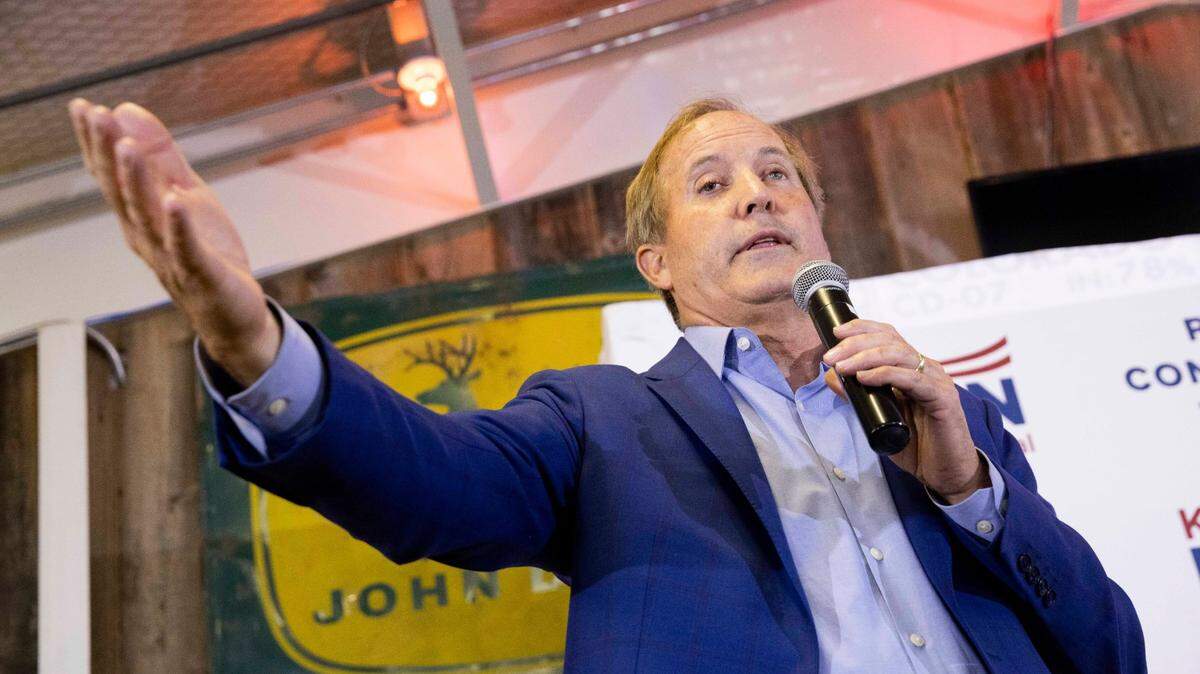
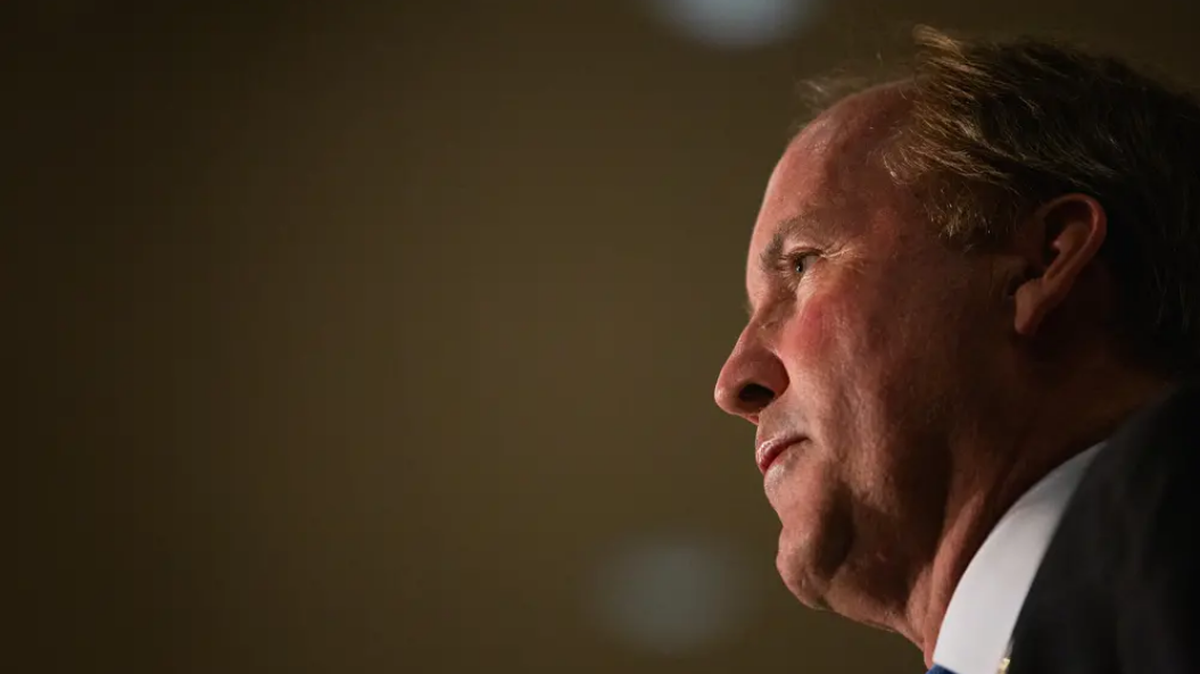
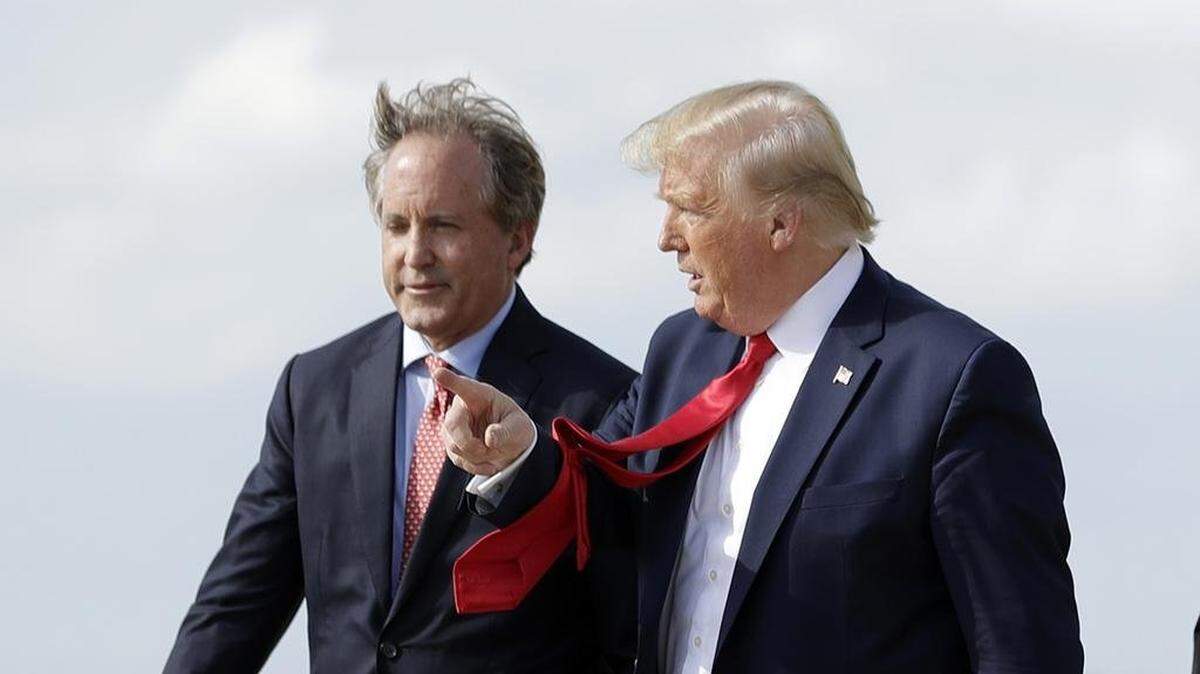
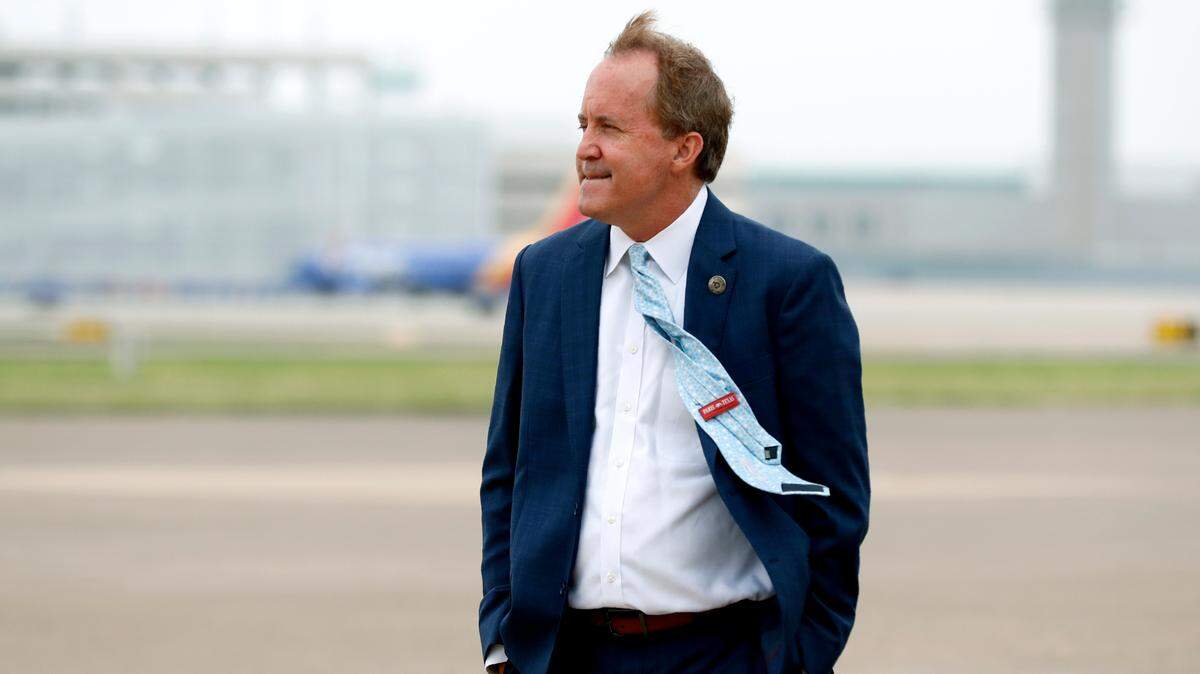
Will impeachment trial of AG Ken Paxton be fair and just? It’s all up to Dan Patrick | Opinion
READ MORE
The saga of Ken Paxton: Our Opinion coverage
Our Editorial Board has closely followed the saga of Attorney General Ken Paxton. Read our coverage to catch up on the issues in his impeachment, and check out our analysis as the trial unfolds.
Expand All
Even the most carefully crafted rules and procedures are only as good as the people using them.
So, two cheers for the Texas Senate’s outline for Attorney General Ken Paxton’s impeachment trial. The plan, approved on a 25-3 vote Wednesday, creates the framework for a fair, thorough proceeding. The House’s lawyers have praised it, and if Paxton and his defenders are complaining, they’re doing so quietly.
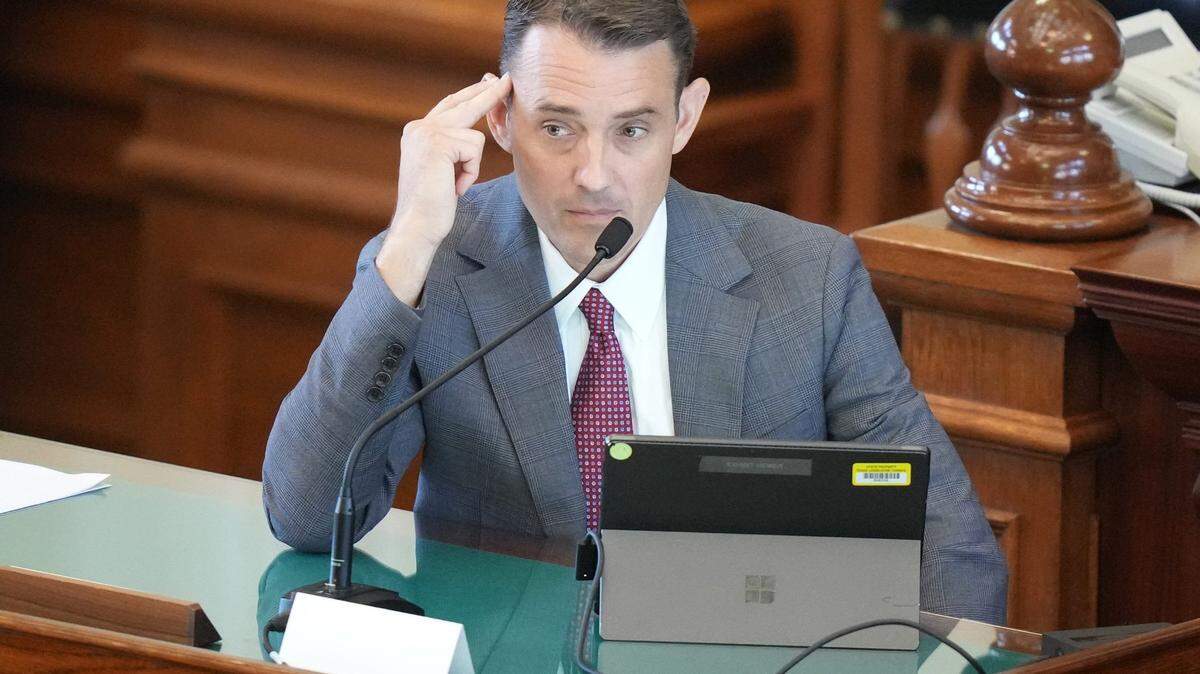
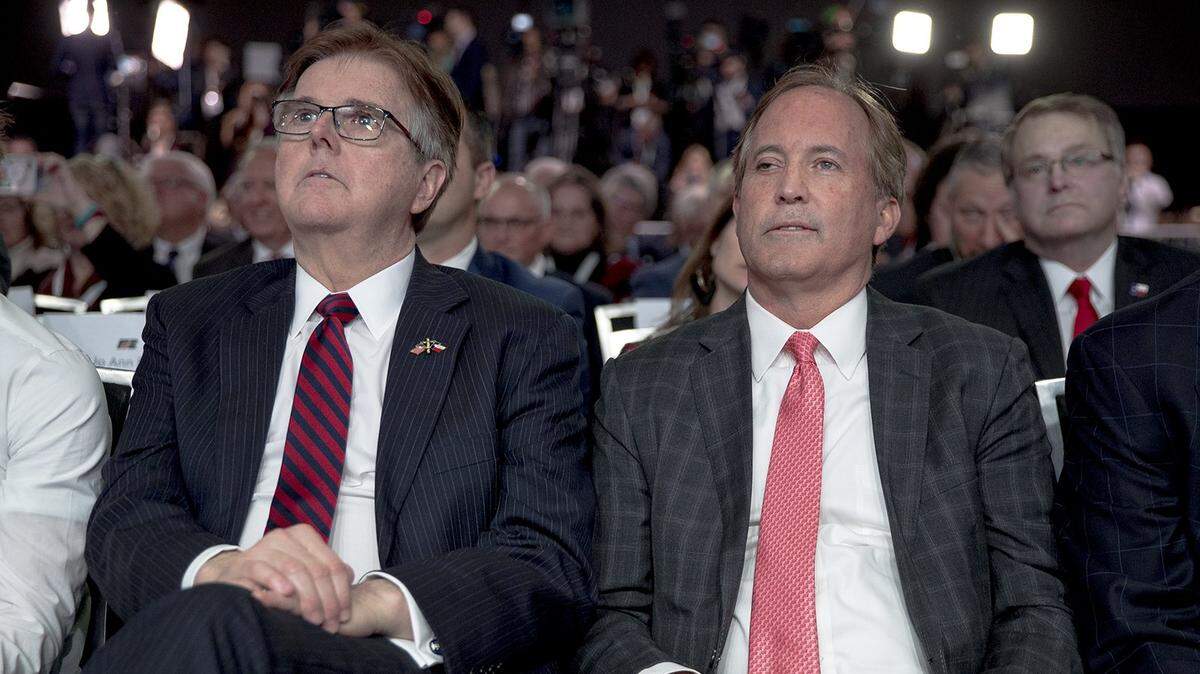
The real test, though, is yet to come. The rules leave a lot to the discretion of the Senate’s presiding officer, Lt. Gov. Dan Patrick. He’ll have tremendous power to shape the trial, including in resolving conflicts and deciding questions of evidence.
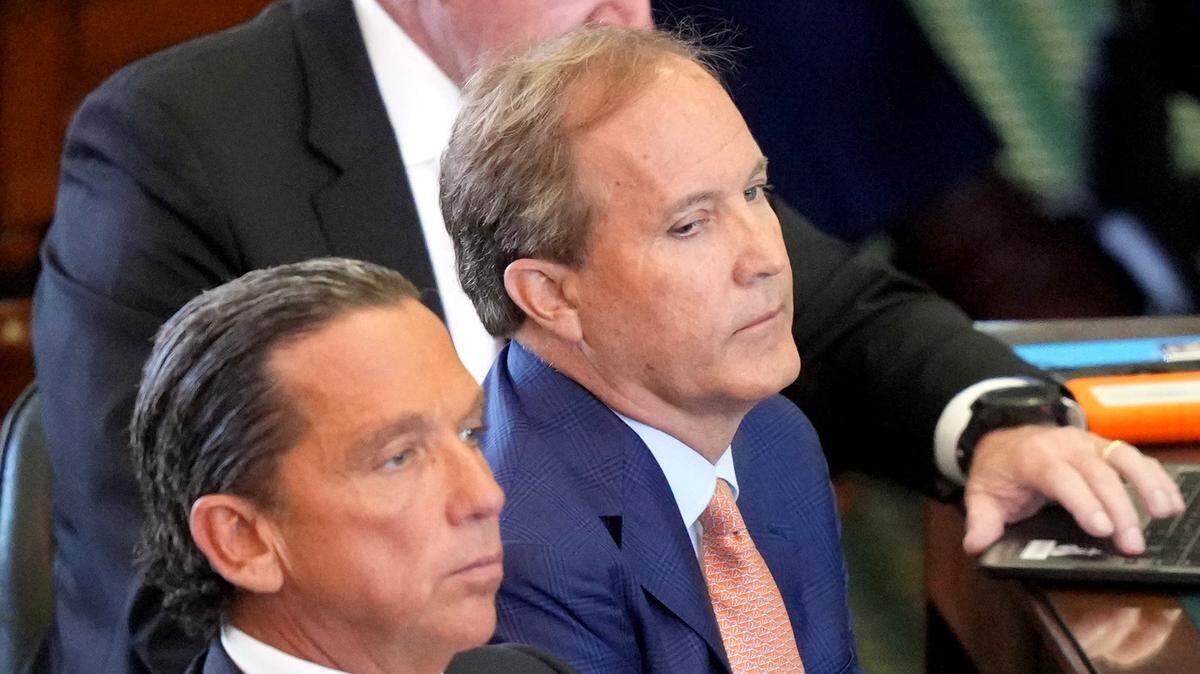
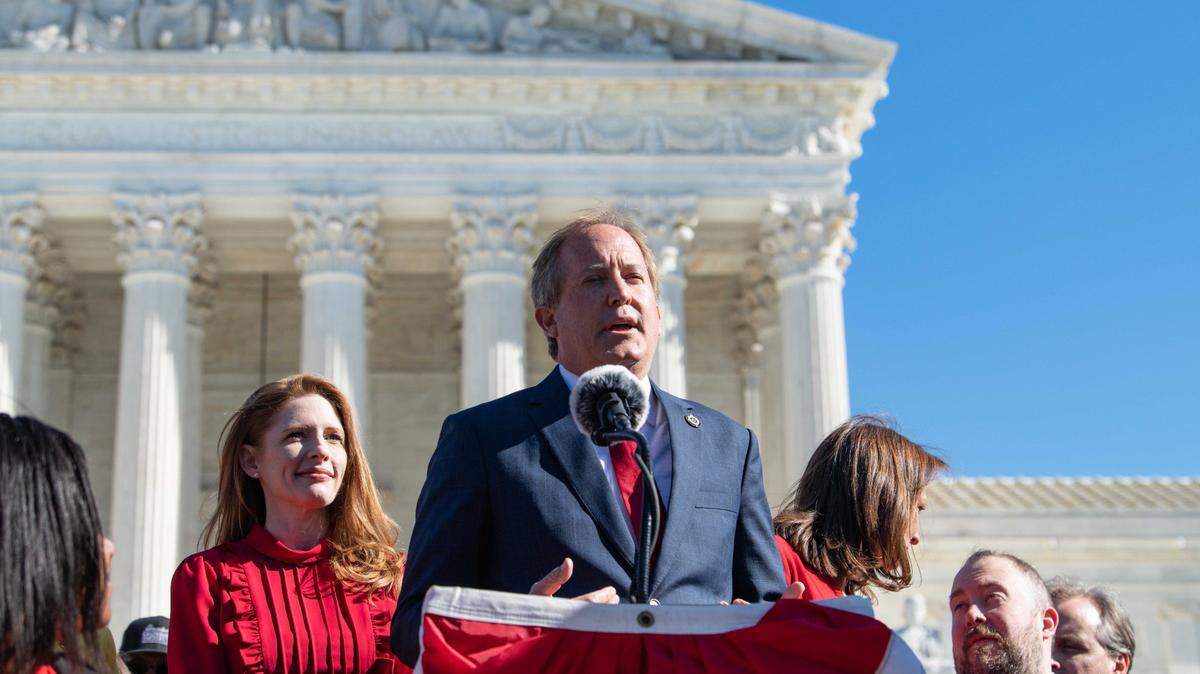
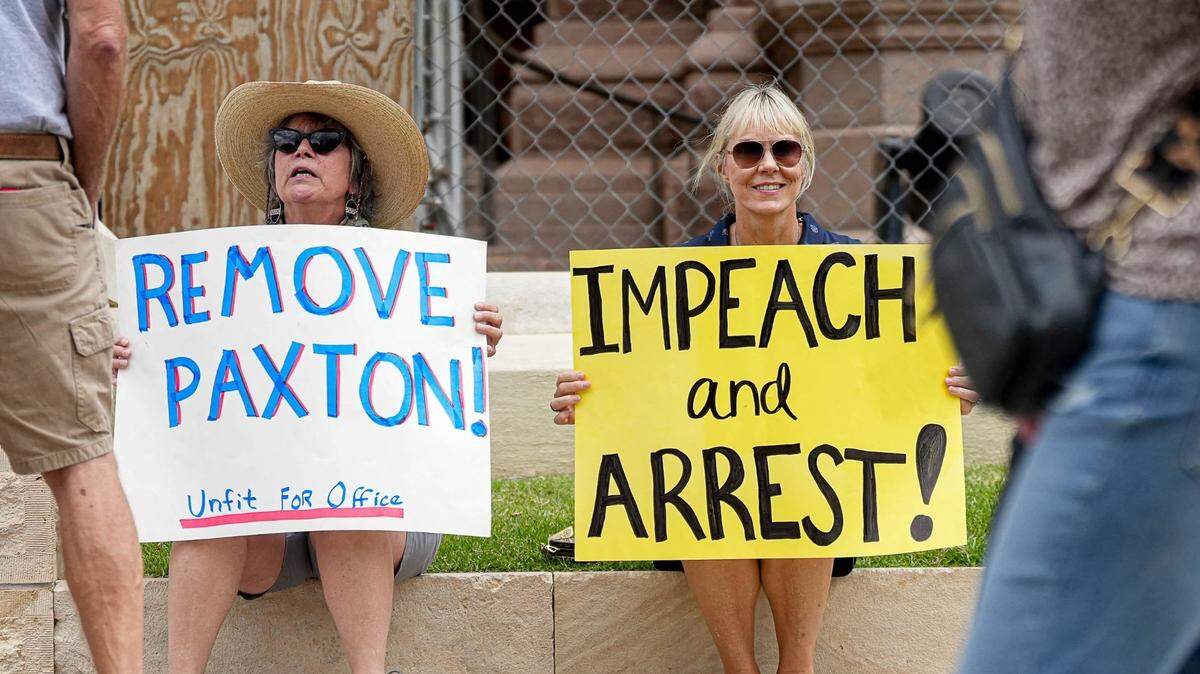
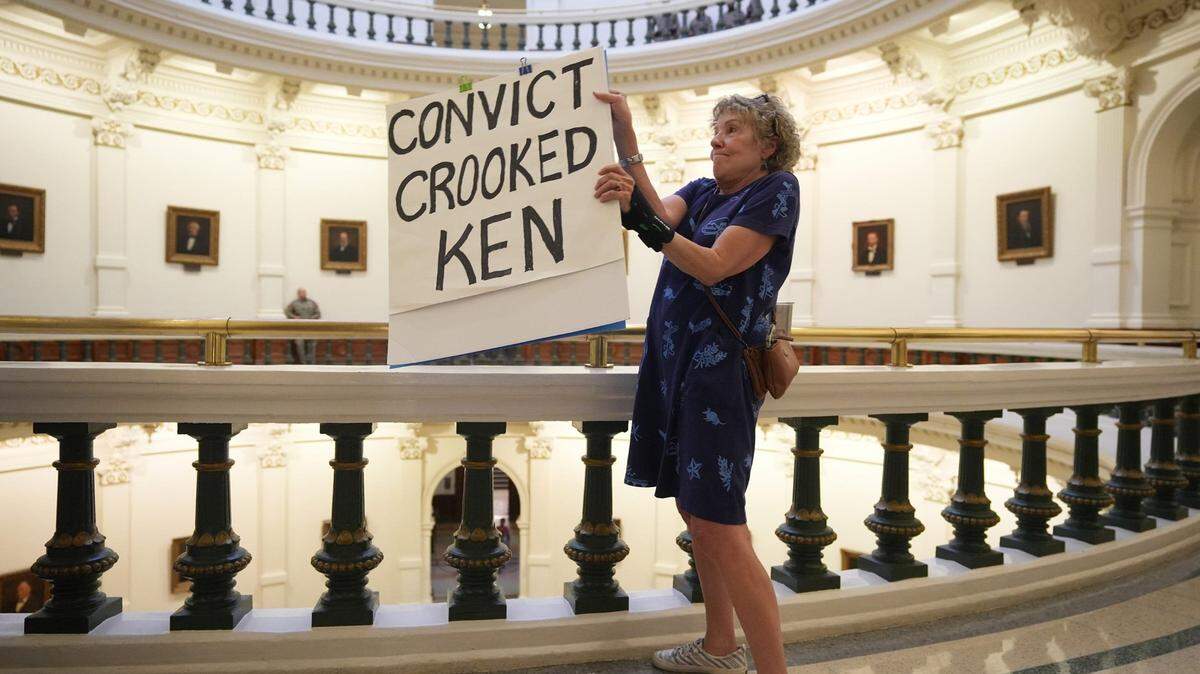
Paxton stands accused of bribery, abuse of power and dereliction of duty in 20 articles of impeachment that the House approved at the end of May. (For now, the Senate will set aside four of those, mostly related to Paxton’s ongoing securities fraud case). These are serious charges against a statewide official, just the third impeachment trial in Texas history. The Senate must get it right.
The approved rules are thorough, covering everything from what the senators who serve as jurors can have at their desks to the font and margins for submitted documents. The basic procedures and evidence rules are sound, as is the time allotted to the presentation of the case. These allay initial concerns that the Senate might try to immediately drop the case or consider nothing deeper than what’s in the impeachment articles themselves without hearing evidence.
That said, the rules do allow for consideration of pre-trial motions to dismiss charges. It would be a travesty to not have a full airing of each of the accusations against Paxton. At least such motions would have to be considered by all Senate jurors; Patrick can’t make such decisions himself.
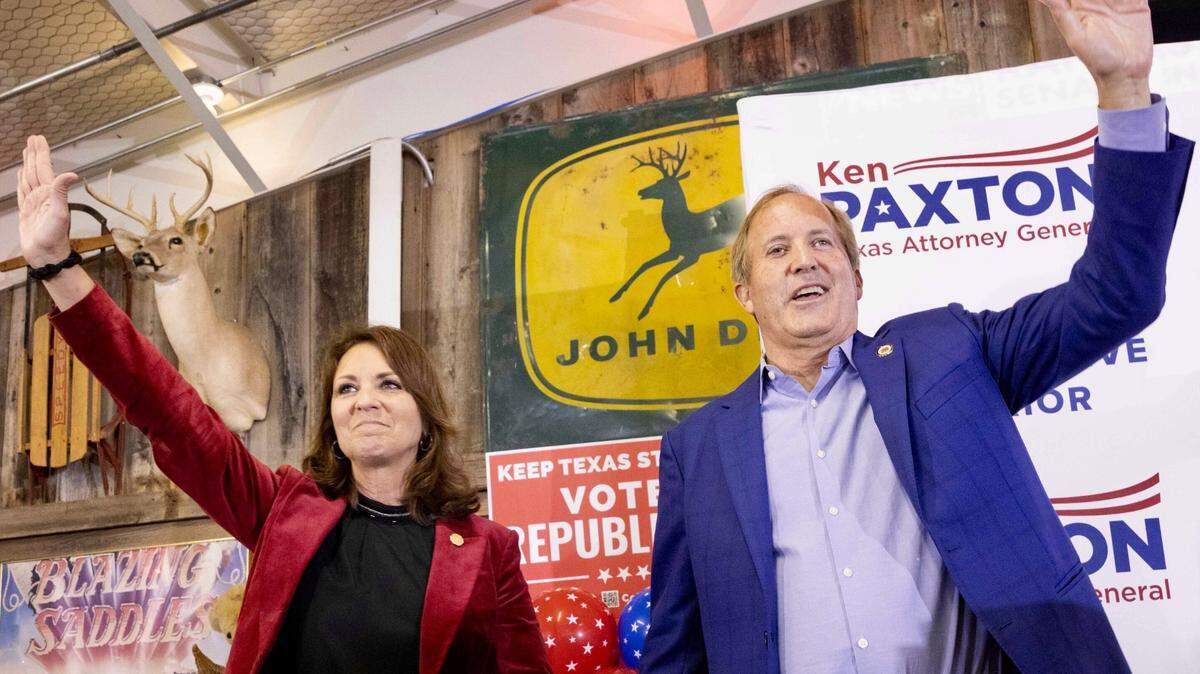
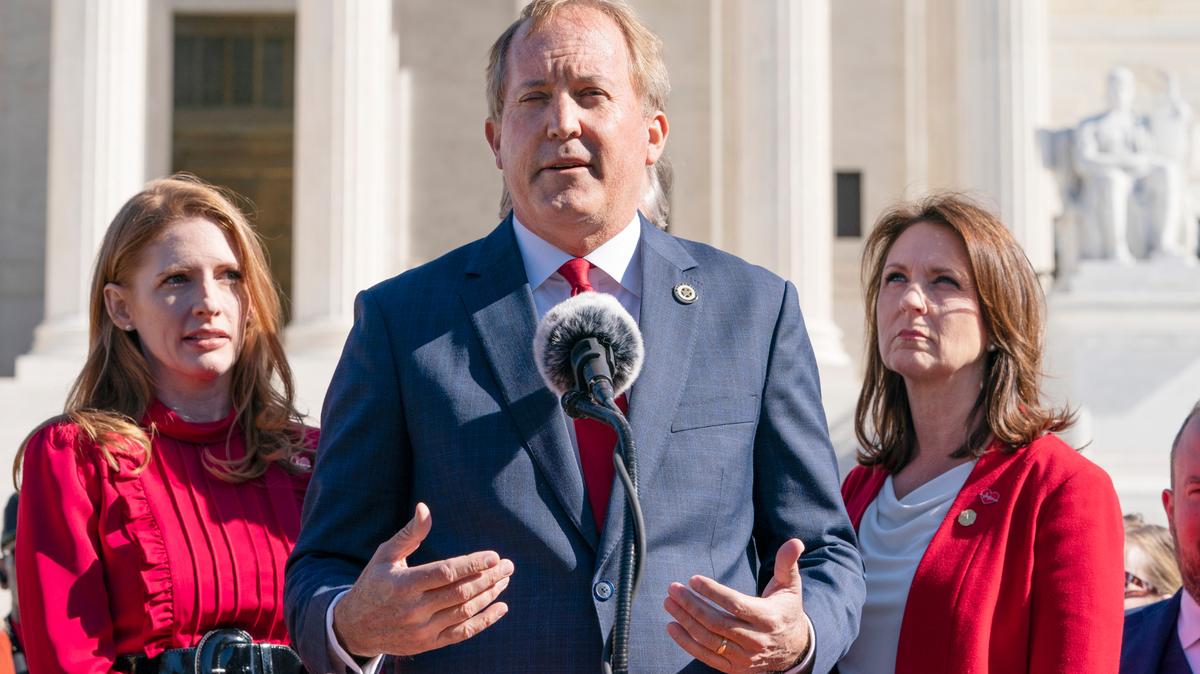
The issue that’s probably gotten the most attention, the role played by Sen. Angela Paxton, was resolved as well as could be hoped. The attorney general’s wife, a McKinney Republican, will sit in on the trial, as state law requires. But she will not be able to deliberate or vote as a juror.
Some have decried that the rule deprives Angela Paxton’s 1 million constituents of a say in the trial. That’s lamentable but, under the circumstances, unavoidable. Her vote, almost surely to acquit, is of less consequence than the fact that a juror could share details of deliberations over the dinner table.
Other conflicts will be trickier. Senators may have to be witnesses, as might Patrick. The rules stipulate that senators or the presiding officer can only be called to testify if they possess information that is otherwise unobtainable.
Patrick will have the power to decide if senators can be called. If the witness is Patrick himself, the committee that drafted the rules would make a recommendation to senators, who would vote. That committee, of course, was hand-picked by the lieutenant governor.
This mess could be avoided if Patrick would defer and appoint, say, Texas Supreme Court Chief Justice Nathan Hecht to preside. But Patrick is not one to voluntarily give up power and control.
On the presentation of evidence, another area that seemed ripe for chicanery in the rule-making, it’s good that the Senate will proceed under the state courts’ established rules for evidence. But here again, if questions arise, Patrick is the decider.
The trial will be open to the public and the media and streamed online. That’s important for transparency, which Patrick and senators promised was a priority. It’s too bad that they didn’t hew to that in developing the rules, which was an entirely closed process. Texans must be able to observe this monumental proceeding for themselves, and no disruptions to an open process can be tolerated.
The trial’s credibility with voters of all stripes will come down to Patrick. If he chooses, he could nudge the proceeding in Paxton’s favor, which his base GOP voters would surely want him to do. He must strive for impartiality and, if any conflict of interest? arises, defer a decision to someone else.
Patrick raised concern recently when he stressed that the Senate must deal directly with the charges against Paxton, telling Dallas-Fort Worth radio host (and Star-Telegram contributor) Mark Davis: “If not, they could keep Ken Paxton away from doing his job forever.” We hope that was a poorly worded way of saying that impeachment charges could linger unresolved and not a hint of his goal for the trial.
Impeachment is inevitably political. Everyone involved will have electoral considerations in the backs of their minds. But Texas needs a process that inspires confidence no matter the verdict.
The Senate, for the most part, has come up with one. Now, Patrick needs to allow it to work.
BEHIND THE STORY
MOREHey, who writes these editorials?
Editorials are the positions of the Editorial Board, which serves as the Fort Worth Star-Telegram’s institutional voice. The members of the board are: Cynthia M. Allen, columnist; Steve Coffman, editor and president; Bud Kennedy, columnist; Ryan J. Rusak, opinion editor; and Nicole Russell, editorial writer and columnist. Most editorials are written by Rusak or Russell. Editorials are unsigned because they represent the board’s consensus positions, not the views of individual writers.
Read more by clicking the arrow in the upper right.
How are topics and positions chosen?
The Editorial Board meets regularly to discuss issues in the news and what points should be made in editorials. We strive to build a consensus to produce the strongest editorials possible, but when we differ, we put matters to a vote.
The board aims to be consistent with stances it has taken in the past but usually engages in a fresh discussion based on new developments and different perspectives.
We focus on local and state news, though we will also weigh in on national issues with an eye toward their impact on Texas or the Dallas-Fort Worth area.
How are these different from news articles or signed columns?
News reporters strive to keep their opinions out of what they write. They have no input on the Editorial Board’s stances. The board consults their reporting and expertise but does its own research for editorials.
Signed columns by writers such as Allen, Kennedy and Rusak contain the writer’s personal opinions.
How can I respond to an editorial, suggest a topic or ask a question?
We invite readers to write letters to be considered for publication. The preferred method is an email to letters@star-telegram.com. To suggest a topic or ask a question, please email Rusak directly at rrusak@star-telegram.com.
This story was originally published June 24, 2023 at 5:28 AM.
.JPG)