
Fort Worth-area schools beef up security after Uvalde. Next, it’s the Legislature’s turn
READ MORE
How North Texas schools plan to keep your kids safe
After a elementary school mass shooting devastated Uvalde, here’s how 9 North Texas school districts are preparing to make schools safe.
Expand All
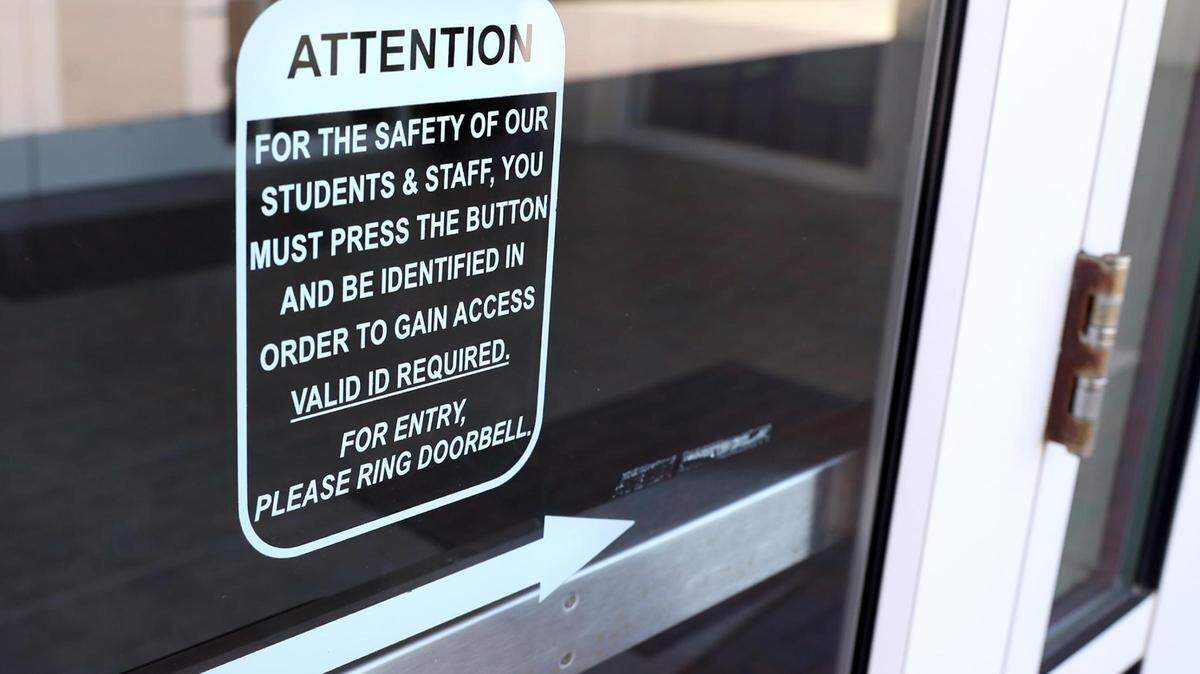
How North Texas schools plan to keep your kids safe. ‘We don’t get a second chance’
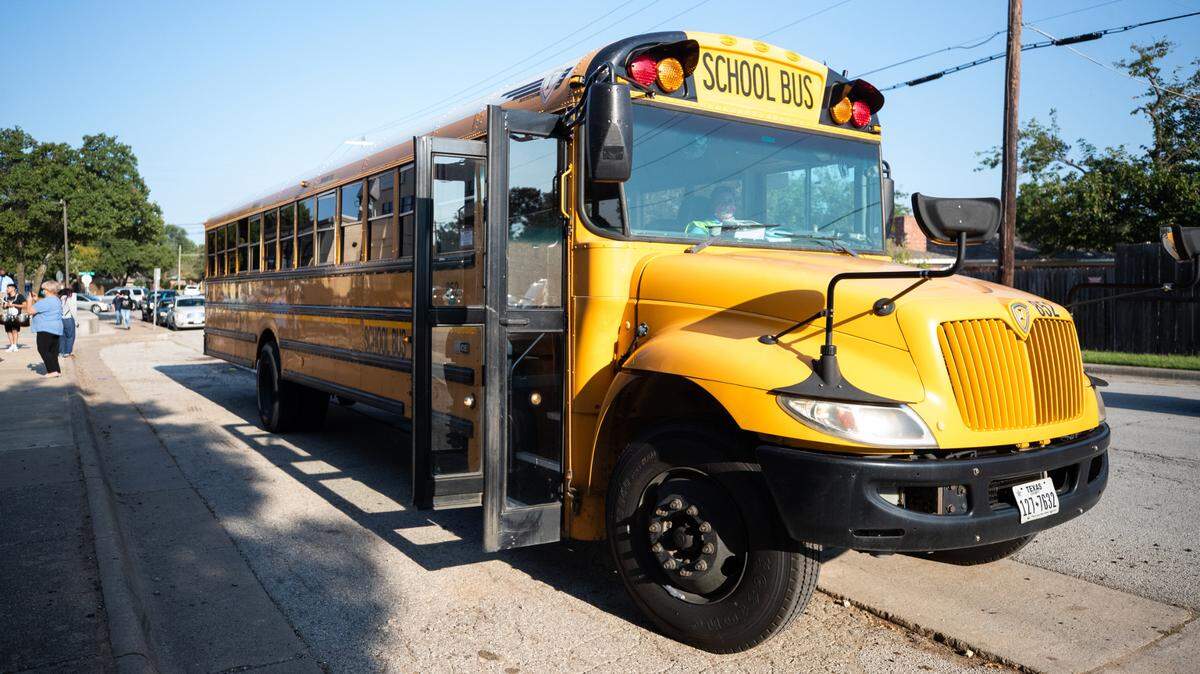
School safety expert offers tips for Texas parents as students return to the classroom
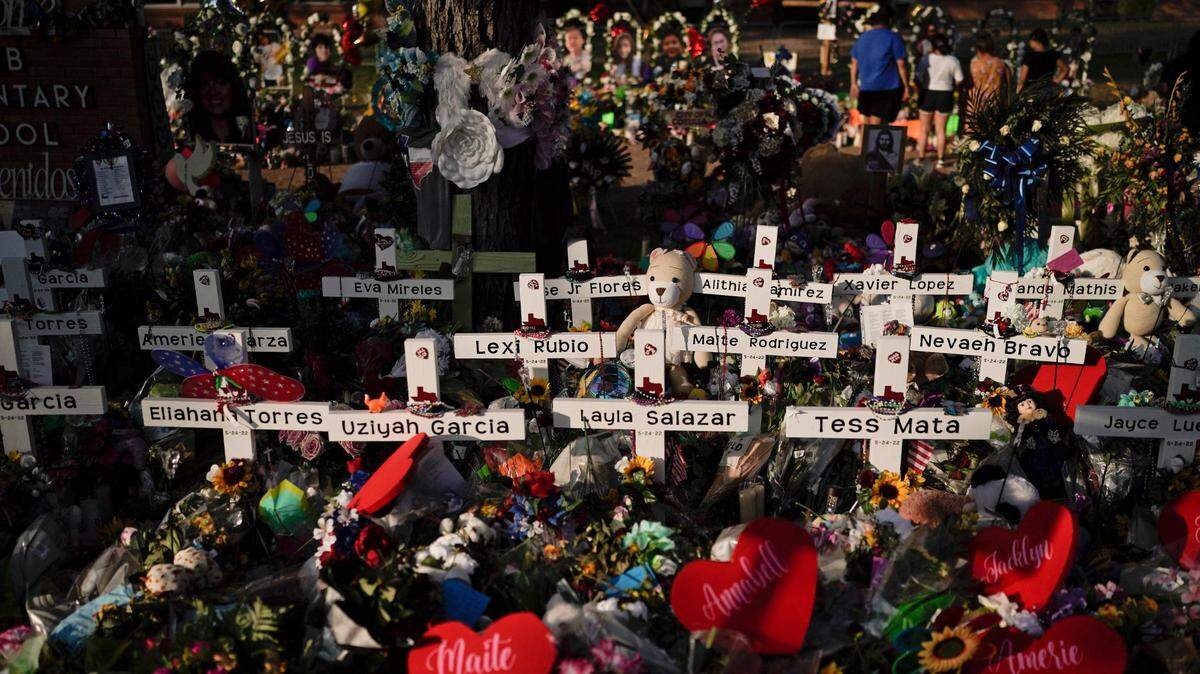
After Uvalde school shooting, here are lawmakers’ key findings in investigative report
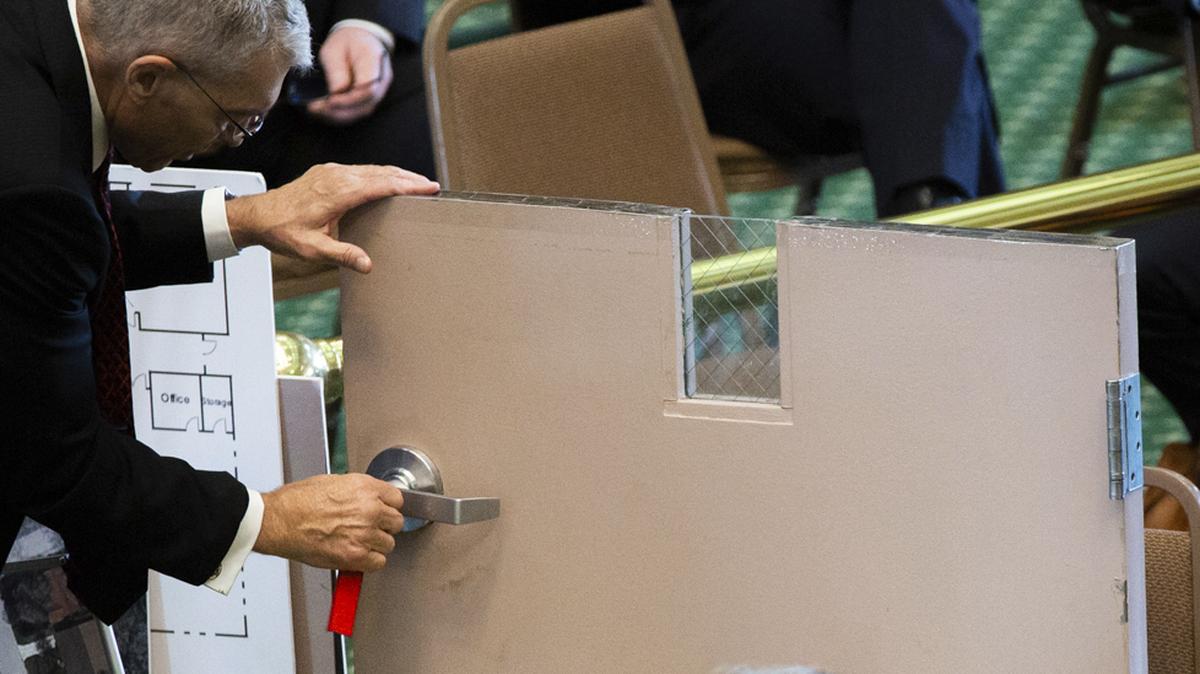
Fort Worth-area schools beef up security after Uvalde. Next, it’s the Legislature’s turn
If we learned anything from the Uvalde school shooting, it’s that some safety protocols must change in the new academic year.
Parents are no doubt nervous as children return to the classroom. School districts in the Fort Worth area have put myriad measures into place before the school year begins. While few ideas are new, it’s good that protocols, from visitor procedures and surveillance cameras to door locks and emergency drills, are being reviewed and solidified again.
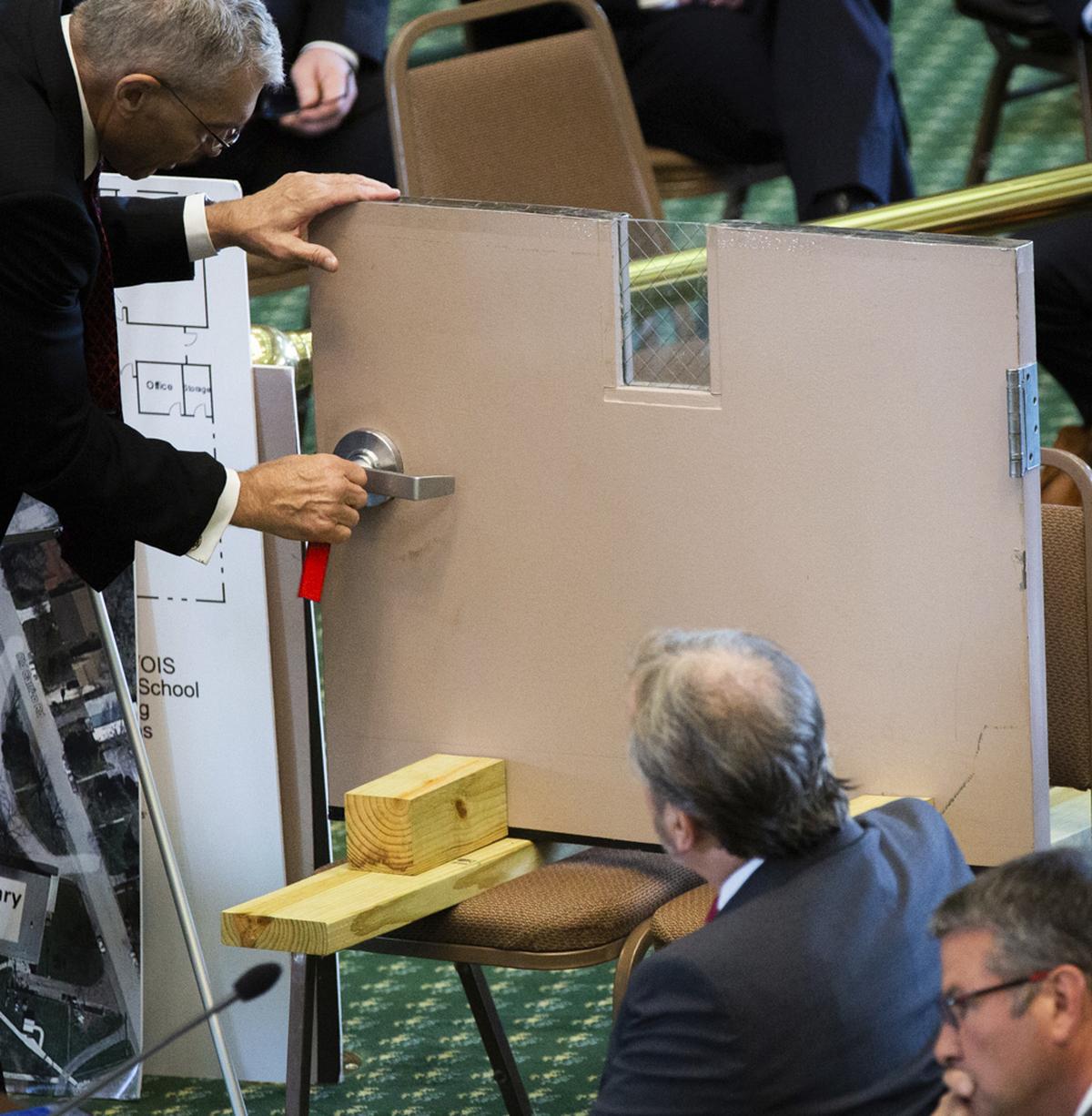
In Keller schools, staffers are doubling down on locked doors. It’s a step so basic and small it’s often overlooked but, as we learned in Uvalde, it can help avert tragedy. Doors are locked from the inside only; students and staff can escape in case of fire or other disaster.
Fort Worth ISD has a security desk operating 24 hours a day, seven days a week, that will monitor surveillance cameras and handle any emergency calls.
Some districts, such as Eagle Mountain-Saginaw, are increasing active shooter drills for students. While we understand the concept “practice makes perfect,” surveillance and body camera footage has never shown that students react poorly in crisis. Doubling drills may add additional trauma in school. As we observed with Uvalde, the people who seem to need practice drills are the adults who came to rescue them.
Many districts have added security cameras and even more school resource officers. Still, some middle and elementary schools are often sharing officers who roam or rotate. Districts should try to rearrange their budgets to accommodate at least one resource officer per school, even in the lower grades. As Uvalde and Sandy Hook sadly revealed, even elementary schools need security.
Eagle-Mountain Saginaw ISD has formed its own police force and doubled the number of school resource officers on staff. An advantage of having a separate force is that those officers’ “full attention will be towards the schools,” said Charlie Ramirez, the district’s director of safety and security.
Ramirez, a 29-year veteran of Fort Worth police, had just completed active-shooter training before our interview. He said the district will partner with local police as well as other state or federal authorities when necessary.
Uvalde showed in agonizing detail that the best-laid plans are futile if law officers called to the scene fail to act or react in a timely manner.
“Our guys are trained in active shooter scenarios — we’re trained to stop the killing,” Ramirez said. “You don’t wait for somebody else. You become the target.”
School safety is an important piece of the puzzle, and we’re glad to see districts actively change or add protocols. Legislators have work to do as well, including modest gun law changes such as red-flag laws allowing seizures of weapons by court order and raising the age to buy rifles. Texas’ mental health infrastructure and school counseling resources need help, too.
Just after the Uvalde attack, Gov. Greg Abbott instructed the Texas Education Agency and the Texas School Safety Center at Texas State University to work with districts on security measures. Parents may find Texas State’s online toolkit useful and informative. Districts were told to do a “summer audit of school safety measures and outside doors.”
Parents have a right to ask specific questions about what’s been done in their schools and demand more. They should do the same of their elected officials, too.
BEHIND THE STORY
MOREHey, who writes these editorials?
Editorials are the positions of the Editorial Board, which serves as the Fort Worth Star-Telegram’s institutional voice. The members of the board are: Cynthia M. Allen, columnist; Steve Coffman, editor and president; Bud Kennedy, columnist; Ryan J. Rusak, opinion editor; and Nicole Russell, editorial writer and columnist. Most editorials are written by Rusak or Russell. Editorials are unsigned because they represent the board’s consensus positions, not the views of individual writers.
Read more by clicking the arrow in the upper right.
How are topics and positions chosen?
The Editorial Board meets regularly to discuss issues in the news and what points should be made in editorials. We strive to build a consensus to produce the strongest editorials possible, but when we differ, we put matters to a vote.
The board aims to be consistent with stances it has taken in the past but usually engages in a fresh discussion based on new developments and different perspectives.
We focus on local and state news, though we will also weigh in on national issues with an eye toward their impact on Texas or the Dallas-Fort Worth area.
How are these different from news articles or signed columns?
News reporters strive to keep their opinions out of what they write. They have no input on the Editorial Board’s stances. The board consults their reporting and expertise but does its own research for editorials.
Signed columns by writers such as Allen, Kennedy and Rusak contain the writer’s personal opinions.
How can I respond to an editorial, suggest a topic or ask a question?
We invite readers to write letters to be considered for publication. The preferred method is an email to letters@star-telegram.com. To suggest a topic or ask a question, please email Rusak directly at rrusak@star-telegram.com.
This story was originally published August 7, 2022 at 5:08 AM.