
Schools can do their part, but to curb Type 2 diabetes, it really might take a village
READ MORE
What to know about increasing diabetes cases, impact on children
Expand All
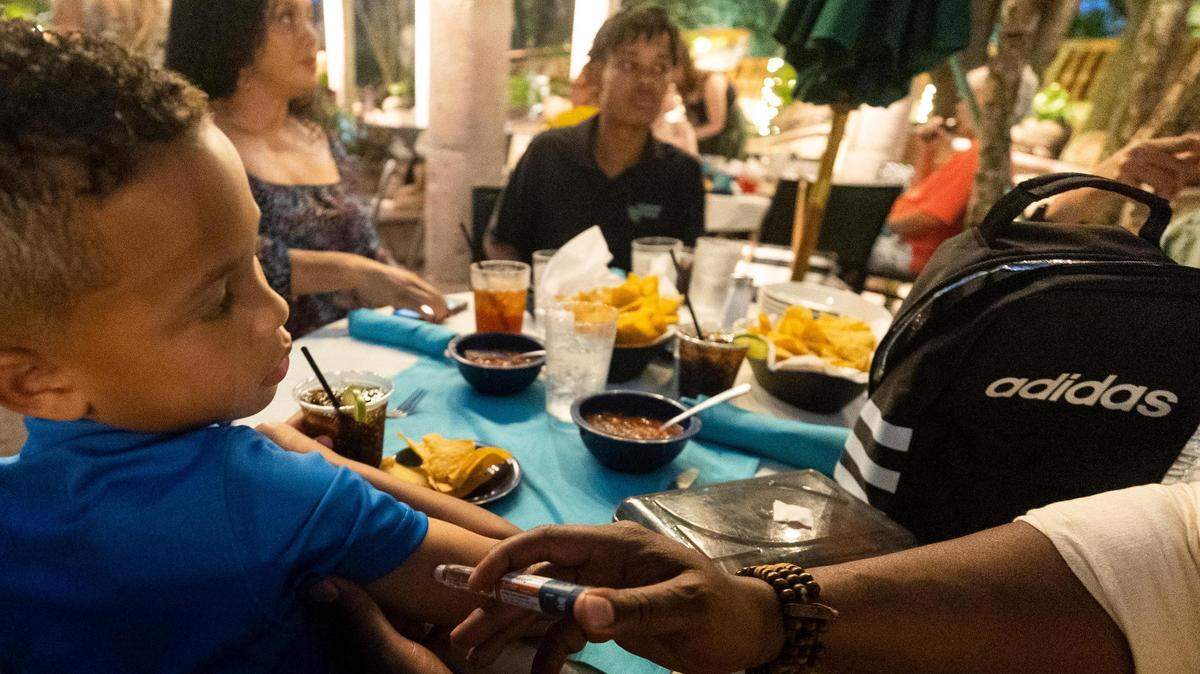
A Texas law is supposed to protect diabetic students at school. No one is enforcing it
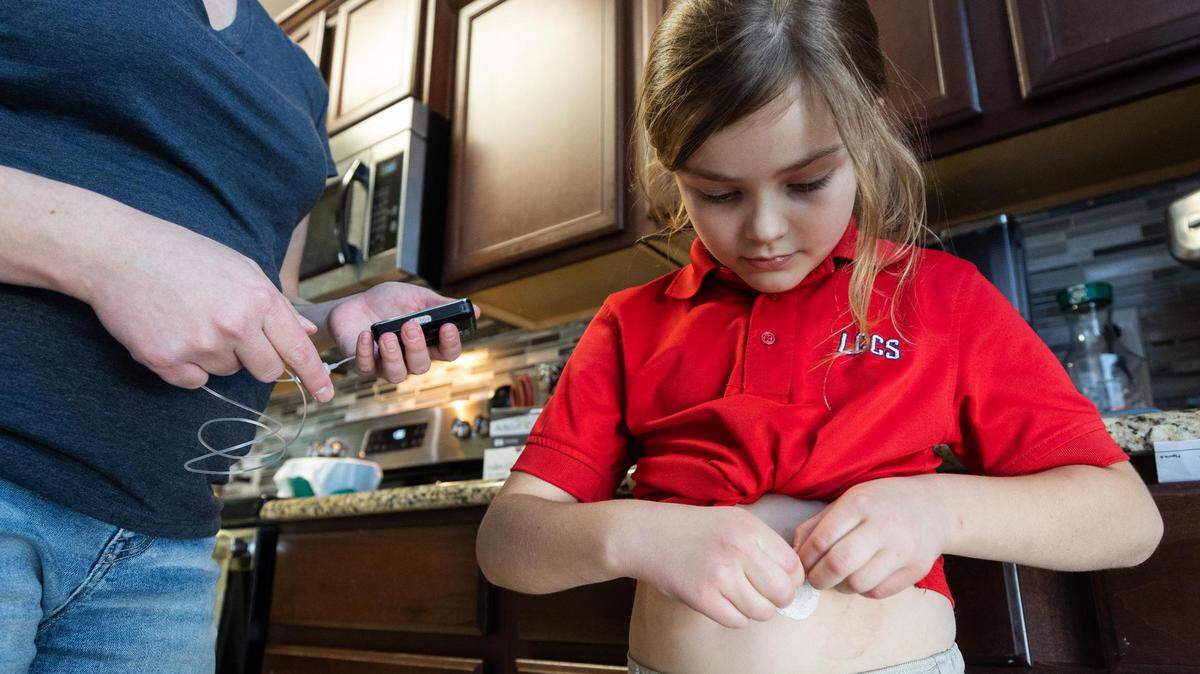
Why are more kids in Fort Worth being diagnosed with diabetes? Doctors are flummoxed
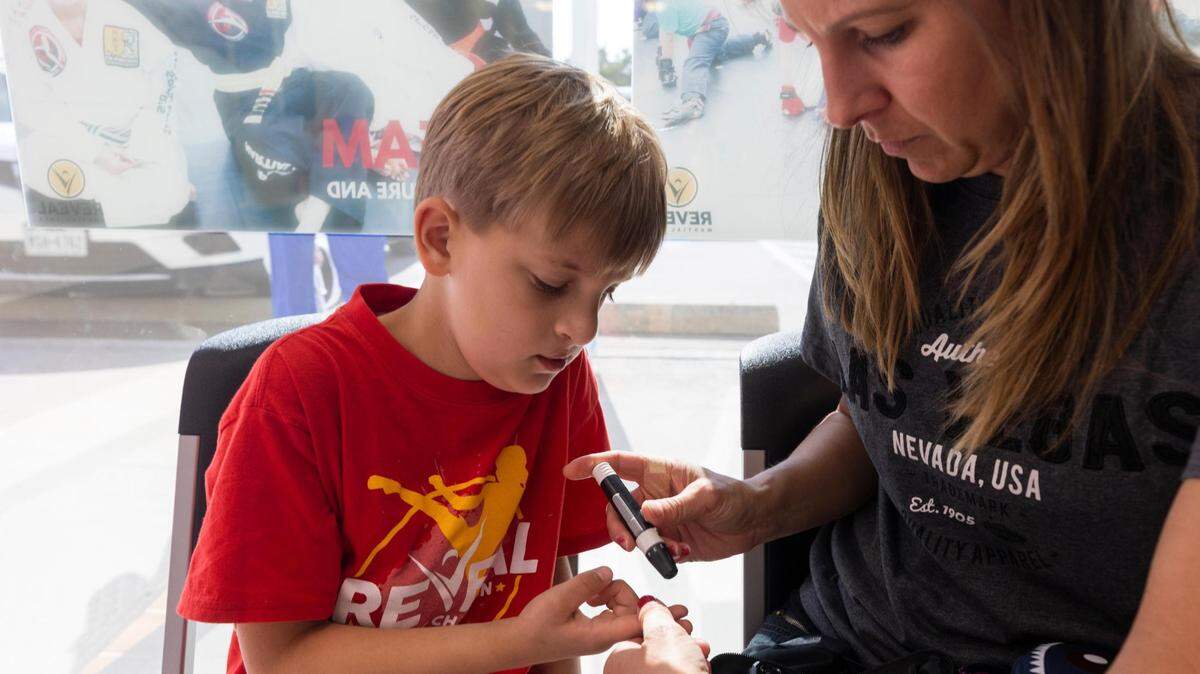
Cases of diabetes are rising in kids. Here are symptoms to watch for in your child
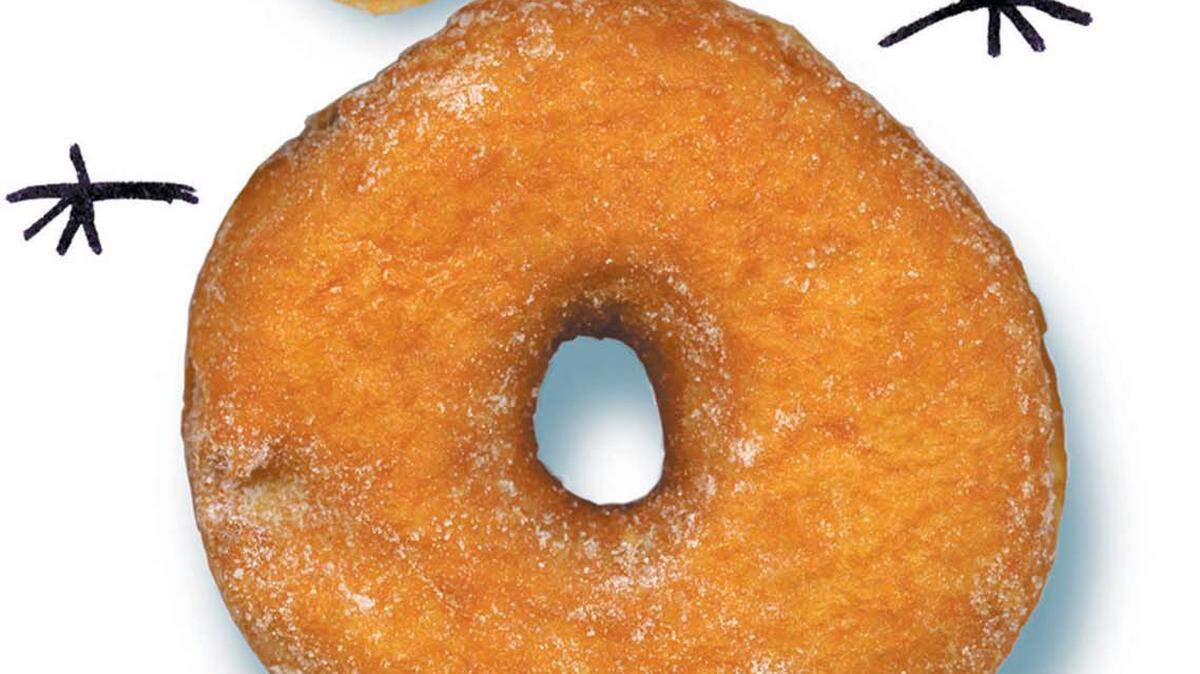
Schools can do their part, but to curb Type 2 diabetes, it really might take a village
You can’t totally blame a 16-year-old for his penchant to choose a KitKat bar or a Red Bull at the gas station. Craving sugary food or drinks is an uphill battle, competing with the ultimate trifecta: marketing, genetics and accessibility.
But with obesity and Type 2 diabetes among youth rising, it’s time for adults at home and at school to pay much closer attention to what kids are eating and drinking.
Children have a higher risk of Type 2 diabetes if they are overweight or have a family history of diabetes. Certain ethnicities are also more prone. In 2021, the Texas Diabetes Institute treated more than 1,500 kids with Type 2, the youngest diagnosed at age 5.
Several factors contribute to diabetes in youth such as weight, inactivity, or family history. Obesity has surged in youth — nearly a third of children in the U.S. are overweight or obese. The fact that fast food and sweets are cheaper and more accessible doesn’t help. From 2015 to 2018, about 35 percent of kids and teens ate fast food on a given day.
Sugar is addictive; some studies suggest it is as addictive as cocaine. In the 1960s, the Sugar Research Foundation wanted to refute concerns about sugar and funded research that lessened the risks of sugar and highlighted fat instead.
In 2019, researchers realized that when Big Tobacco acquired some of America’s most popular beverage brands, they turned their marketing prowess from tobacco to sugary beverages. It worked. Soda is still the country’s dominant sugary drink and makes up 65 percent of sugar drink sales. Adolescents and young adults are the heaviest consumers of sugar drinks even though consumption is actually down among ages 12-19
Kids spend eight hours a day at school nine months of the year. It’s tempting to shift the blame for obesity and diabetes there. In fact, food available in public schools, cafeterias and vending machines, used to be part of the problem. In 2004, a study found that 85 percent of snacks in school vending machines were unhealthy, and cafeterias had few nutrition-related regulations.
But lawmakers jumped in. In 2003, Gov. Rick Perry signed a measure that, when coupled with the Texas Department of Agriculture’s new policies, curbed junk food, fried food and sodas in school cafeterias.
In 2007, Texas Public School Nutrition Policies were tightened more. In 2014, Obama administration regulations for vending machines in schools kicked in. Foods sold in vending machines in schools had to meet or exceed the federal “Smart Snack in School” nutrition standards which limit fat, sugar, sodium and calories.
Studies show that laws restricting junk food sold in vending machines at school helped curb obesity among youth, although the positive outcomes were “relatively small.”
As of July 2015, all Texas public schools are required to follow nutrition standards for competitive foods (foods available for sale) as outlined in the U.S. Department of Agriculture’s Smart Snacks guidelines. These are drawn from the “Healthy, Hunger-Free Kids Act of 2010,” which required the USDA to establish nutrition standards for all foods sold in schools.
Schools aren’t perfect, of course. There’s always end-of-year parties and birthdays, but it’d be difficult to make cafeteria standards more stringent. Perhaps we overestimated how much the meals at schools affect kids, or perhaps these standards work but kids are still getting junk elsewhere. After all, most kids are eating only lunch and a snack at school.
There are a few other factors to consider. Kids spend more time looking at screens than ever before. Schools also decreased the time kids spend having recess. Coupled with low income families and fast food prices, that could explain why diabetes is still, sadly, on the rise.
Schools need to be able to help children who attend with type 1 or 2 diabetes, and the laws requiring they do so should be enforced. But their main goal is education, not medical care. Our focus should be on the root of the problem: curtailing obesity and Type 2 diabetes.
Children need access to healthy food choices at school, and home and they need to spend at least an hour a day being active. Teachers, parents and other relatives can encourage this. Schools should consider reinstating the recesses curbed in the last few years. Another 15 minutes won’t help a kid be an amazing reader, but another 15 minutes outside will do wonders for his mental and physical health.
Parents need education and encouragement, too, to improve their diet at home, starting with less soda and sugary snacks. It’s not always easy, especially as prices rise dramatically and many families struggle to access fresh foods. In low-income areas, food banks should ask for healthy donations and offer basic cooking classes if possible.
But every bit of progress will pay off with healthier kids who learn better, need less medical care and ultimately live longer.
This story was originally published May 19, 2022 at 12:18 PM.