A Texas law is supposed to protect diabetic students at school. No one is enforcing it
READ MORE
What to know about increasing diabetes cases, impact on children
Expand All
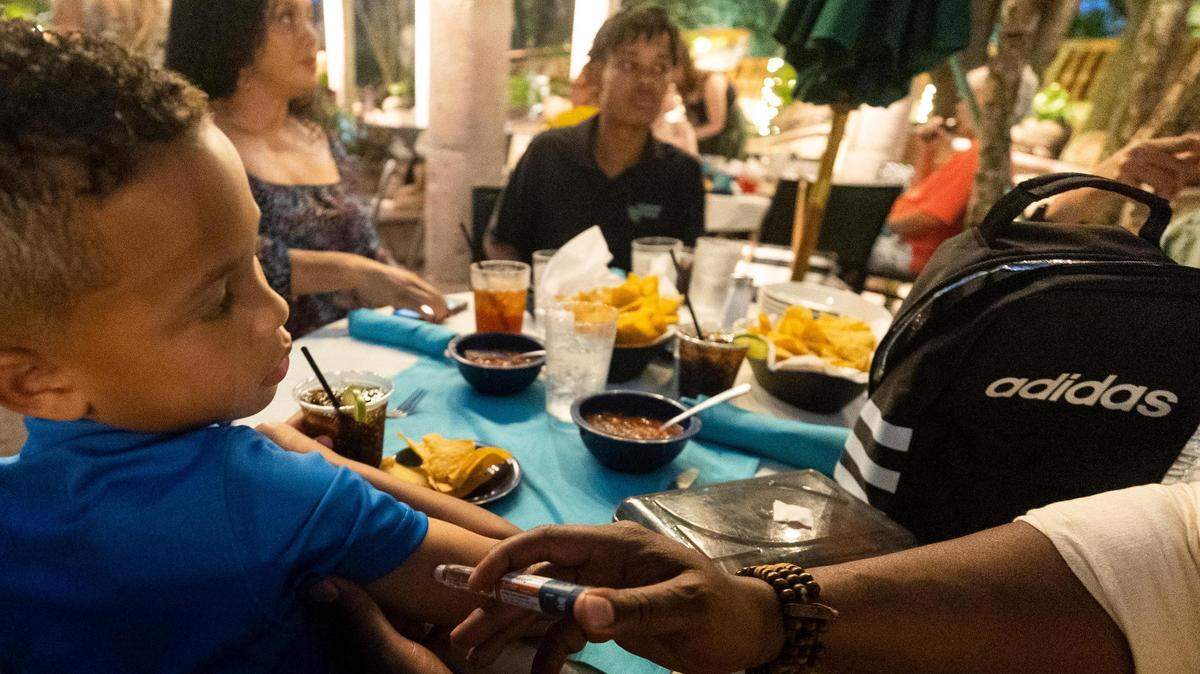
A Texas law is supposed to protect diabetic students at school. No one is enforcing it
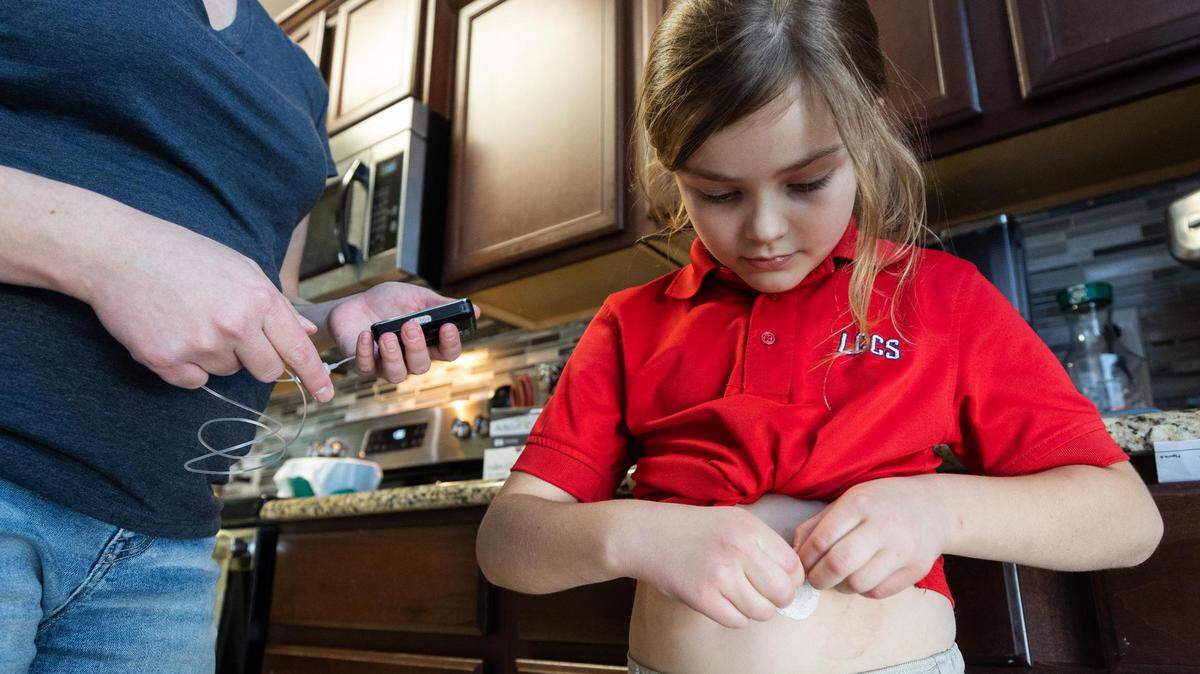
Why are more kids in Fort Worth being diagnosed with diabetes? Doctors are flummoxed
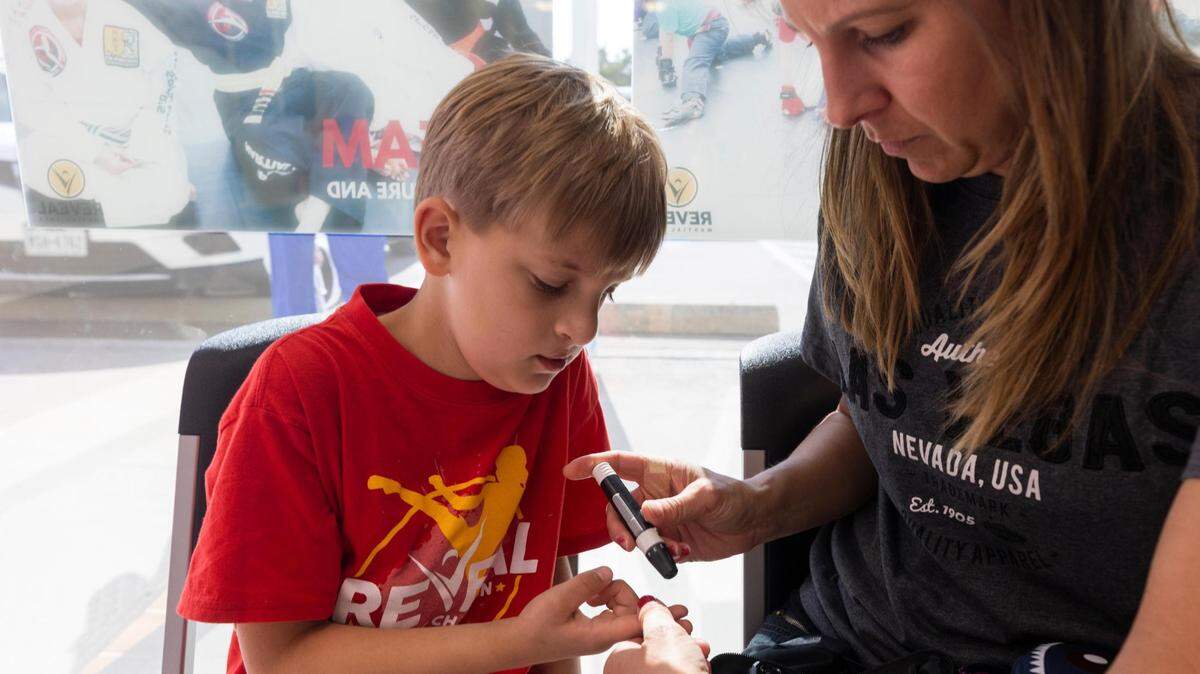
Cases of diabetes are rising in kids. Here are symptoms to watch for in your child

Schools can do their part, but to curb Type 2 diabetes, it really might take a village
When 7-year-old Neyo Green started having trouble sleeping and going to the bathroom multiple times throughout the night, his parents didn’t think much of it.
Just days later, they were rushing his limp, weak body from a children’s urgent care to the emergency room as he went into DKA, or diabetic ketoacidosis, one of the most serious complications of diabetes that can quickly lead to death if left untreated.
His blood sugar levels were 694 milligrams, more than five times the level of a healthy 7-year-old.
“The school nurse called and said that he was sleepy,” said Marlon Green, Neyo’s father. “He didn’t get much sleep. No big deal. But then she called back later that day.”

Nidrah Green, Neyo’s mom, remembers speeding down Interstate 35 after a worried nurse hurried her out of an urgent care, telling her that she was expected at Cook Children’s emergency room.
After a chaotic 48 hours, the 7-year-old was stabilized and his shell-shocked parents were trained on how to care for a child with an unpredictable, chronic disease.
Neyo’s parents questioned everything in the following days, emerging from the hospital with a binder half an inch thick, and guidance for how to alter every facet of their lives to accommodate the illness.
But the real struggle was just beginning for the Green family.
Neyo’s mom spent days building up the strength and courage to send her son back to school, where teachers had assured her that they would be able to care for Neyo, who was still fragile just four days after being discharged from the hospital on Dec. 12, 2021.
“At first you come out thinking there’s no one that can take care of him. There’s way too much information, you’re exhausted,” she said.
Nidrah wondered if she was going to have to quit her job in order for her son to get an education.
“Is this something where I have to ... stay home full time with my son and educate him like, how is he going to be educated?,” she asked.
But after meeting with officials and the nurse at Woodland Springs Elementary School, in the Keller district, Nidrah sent Neyo back to school as she went to a training for parents of diabetic children.
The first two days of class before winter break went all right, she said, although she spent one of those days with him at the school.
After the break, Neyo was at school less than a month before the same school nurse Nidrah met with erroneously administered a greater dose of insulin than required, setting off alarms on the device Neyo’s parents use to remotely monitor his blood sugar levels. According to interviews, emails and two complaints the Greens filed, the overdose occurred on Jan. 27. Nidrah was incensed.
Administering too much insulin can send a diabetic patient’s blood sugar crashing to dangerously low levels, risking symptoms ranging from muscle weakness and dizziness, to seizures and convulsions, according to Cleveland Clinic.
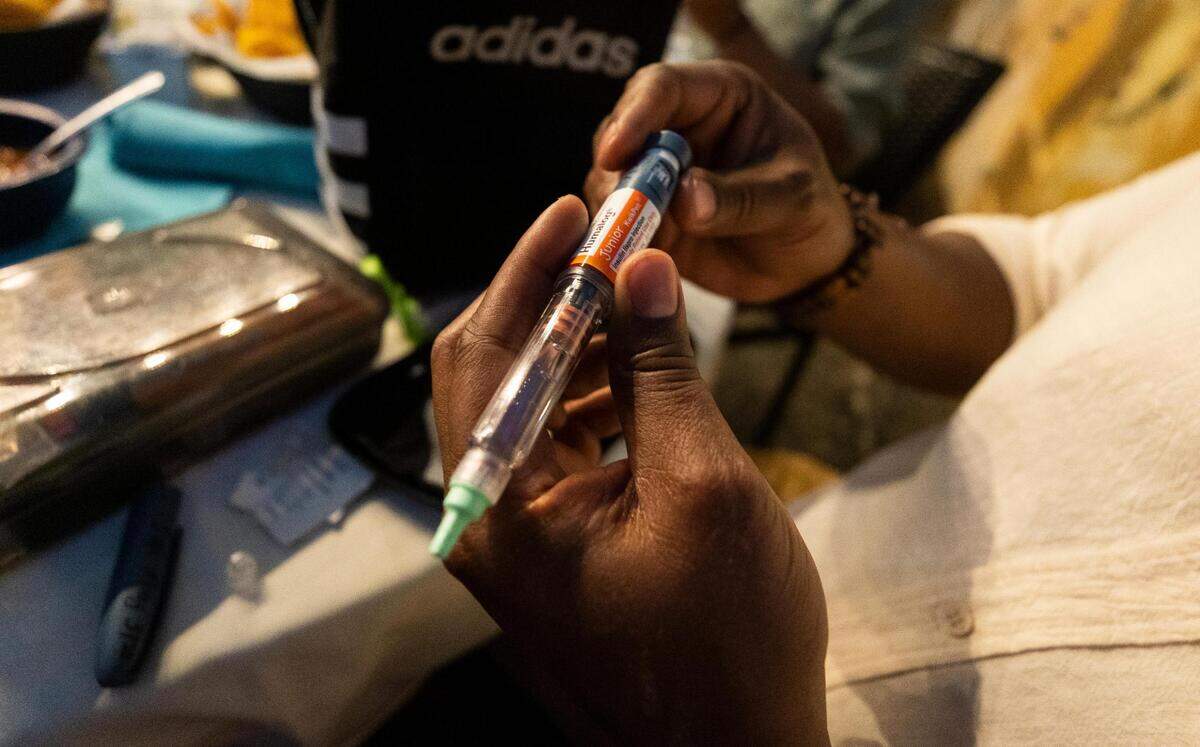
“To fix that (the nurse) had to hurry and give him tablets, juice and everything so he wasn’t super low and, you know, having a seizure at school,” Nidrah said.
She picked him up and kept him home from school the next day as she called on school officials to explain the misstep, and ensure it never happened again.
That incident, which was relayed to the Star-Telegram in interviews and confirmed in emails between the school and Neyo’s family, is just one misstep that Nidrah Green said establishes a pattern of negligence by school officials that has repeatedly put her son’s life in jeopardy.
Keller school district officials declined to comment on specific incidents, citing a policy protecting students’ privacy, but provided the district’s policy for when medication errors occur, beginning with the student being monitored for safety with action taken if necessary.
Parents, physicians, principals and the district director of health services are notified, and a report is created where the incident is assessed, and steps are put into place to mitigate further errors, a spokesperson for the district said.
Repeated mistakes show pattern of negligence, parents say
Despite adjustments to the way Neyo was dosed with insulin, including requiring a second employee in the front office to check doses before they are administered, Neyo’s parents say those policies don’t do enough for their son.
At the end of April, Neyo was taken on a field trip without glucagon, a medication that is necessary when a diabetic patient’s blood sugar dips too low. Without it, diabetics run the risk of serious seizures, fainting and death. A supply of glucagon needs to be within reach of a diabetic patient at all times to use during emergencies.
Nidrah and her husband, Marlon, consulted a special education advocate, and took the school to task over the lack of accommodations in numerous meetings over the last five months.
But after repeated mistakes, Marlon and Nidrah had enough. Five months after the initial diagnosis, they filed complaints with the U.S. Department of Education Office of Civil Rights and the Texas Education Agency alleging that Neyo’s civil rights had been violated.
The challenges the Green family has had in getting Neyo’s school up-to-speed on his diagnosis highlight a problem many parents have said they struggle with after their children develop Type 1 diabetes: Some schools don’t have the training to properly care for these at-risk kids, and the quality of a diabetic child’s care might vary significantly from district to district or campus to campus.
The patchwork of care exists in part because the state of Texas’ primary way of supporting children with diabetes in classrooms is not enforced or tracked by any state body. In 2005, the state passed a law requiring schools with diabetic children to make sure that their staff members trained on how to care for them. But no state agency tracks compliance with this requirement or is responsible for enforcing the law. And as the number of children with diabetes continues to rise in Texas and across the nation, school districts can expect growing numbers of diabetic students needing care and support so they can learn safely.
Diabetes law lacks enforcement
In her complaints, Nidrah asks for the principal of the campus to be removed and for there to be greater training for staff.
But Texas already has strict requirements for school nurses to train additional school staff as unlicensed diabetes care assistants. The law also stipulates certain accommodations that don’t limit diabetic students’ education based on their diagnosis.
The only problem? No agency has enforced the regulations laid out in House Bill 984 since they became law 17 years ago.
Neither the Texas Diabetes Council, an advisory group that provides recommendations to the Texas Legislature, nor the state’s health department have any enforcement authority over schools, said Lara Anton, a senior press officer with the Texas Department of State Health Services.
The Texas Education Agency, which establishes regulations based on laws in the Education Code “does not have compliance and monitoring authority of this law,” a spokesperson for the agency said in an email.
The 2005 law, which was lauded by advocacy groups when it was passed, allowed students to manage their diabetes in the classroom. But it also required additional training for staff to learn about diabetes management. The law requires that campuses with a school nurse should train one additional employee on how to care for a child with diabetes. Schools with no campus nurses must train three employees.
Educators and nurses interviewed by the Star-Telegram said they weren’t aware of any agency that confirmed that schools were actually training staff as required by law.
A detailed, 10-page document provides guidance for how districts should handle care for a diabetic student, ranging from how training for teachers should be administered to whether care is required at after-school events. The document, which is found on websites for education resource centers, does not include information about enforcement.
Other guidance compiled by the Texas Diabetes Council with input form seven other organizations including the TEA and the Texas Nurses Association provides testing materials for unlicensed diabetes care assistants and suggestions for districts.
Schools don’t report diabetes like other illnesses
The Fort Worth school district, one of the largest school districts in North Texas, developed a training toolkit for unlicensed assistants to comply with the law, and collects student health data including diabetes diagnoses.
But unlike other demographic information, like the number of students experiencing homelessness or who have received mandatory immunizations, the district doesn’t have to tell the state how many children with diabetes they care for, or submit any proof of compliance.
“There’s a lot of other similar things that we actively report,” said Justin Gaddis, the Fort Worth district’s executive director of health services and well-being. “But for that one, it just hasn’t been enforced with that kind of compliance.”
That doesn’t stop the district from complying, officials reiterated; the Fort Worth district has had a diabetes training program in place for staff since the law was passed. The Keller school district said in a written statement that the district provides three levels of training for employees, including unlicensed diabetes care assistant training whenever a student is diagnosed. That includes a training video, a presentation from the American Diabetes Association, passage of a written test, and successful completion of a “return-demonstration skills training.”
But with no agency responsible for enforcing the law, it’s unclear how many districts are following it and training staff to care for the growing number of Texas children with diabetes.
Neyo’s family, and their special education advocate, said the mistakes made in his care highlight inadequate training for the adults tasked with caring for the second-grader and a misunderstanding of the accommodations the school is required to provide.
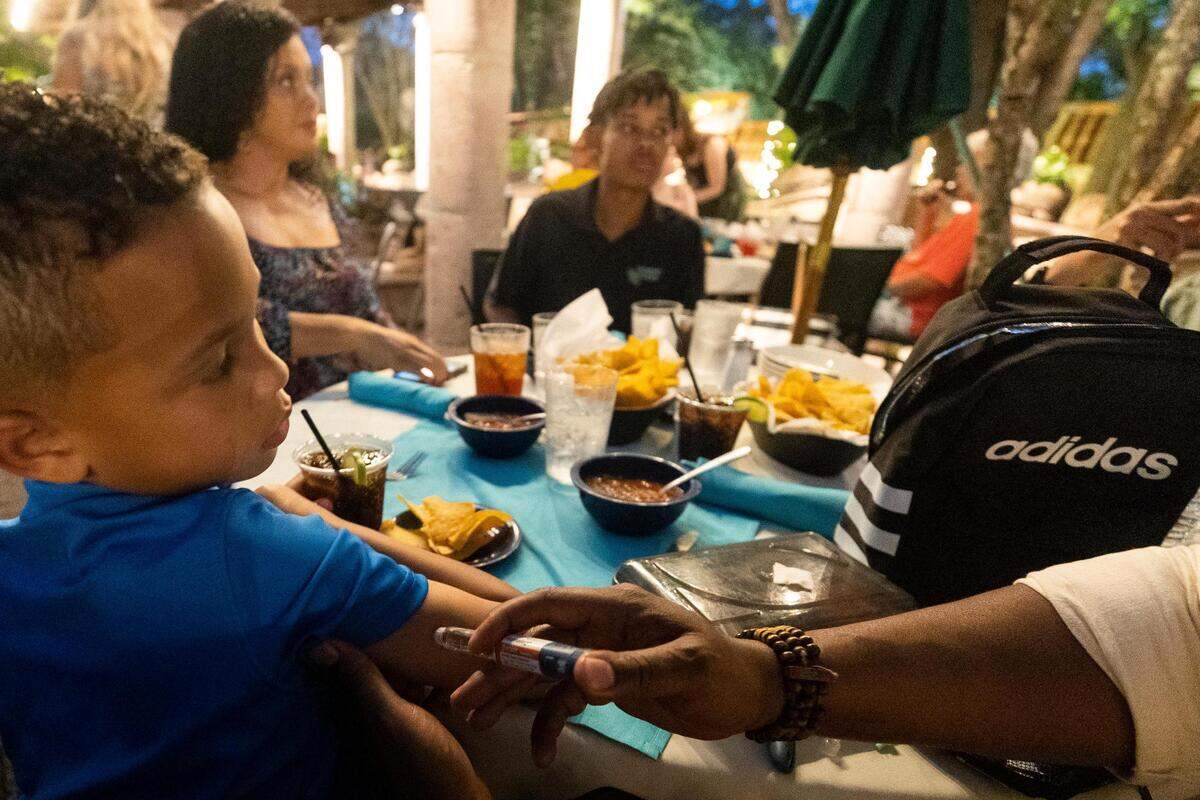
Jannette Hahn was hired by the Greens to help them advocate for their son. Hahn said the lack of training was clear when she stepped into the picture.
“(Neyo’s parents) contacted me when the ball was getting dropped, and they just didn’t feel like the school district was listening to them and taking it seriously,” Hahn said. “To me it was no harm, no foul, and that’s when I jumped in and said wait a minute, we are going to have a training and the parents are going to be involved.”
According to the Texas Health and Safety Code, training for teachers or other employees acting as unlicensed assistants “must be provided before the beginning of the school year or as soon as practicable” after the enrollment of a student with diabetes or the diagnosis of diabetes for a student at a campus that previously had none.
Nidrah Green said that when she started working with Hahn, who previously worked for the Keller school district overseeing special education, it was not clear that training specific to Neyo had been completed by February, despite Neyo’s diagnosis in December.
“They were at least receptive to listening to mom, but then we had the whole issue with them overdosing him, and he went to class by himself,” Hahn said. “So as they were listening and putting these things down, they didn’t implement them. So then we had to go back ... and put more specific things in place for him.”
Keller student saddened by lack of recess, PE
Hahn said there were serious red flags when she reviewed Neyo’s case, with school officials precluding Neyo from recess and gym class at times, making him wait in the hall when checking his insulin numbers and failing to train teachers in an adequate amount of time after he was diagnosed.
In an email to the school principal, Nidrah pleaded for those actions to stop.
“Please do not take recess or PE away from him,” she said. “We do not want him to make the association that Diabetes is taking anything away from him or holding him back from anything. He is already dealing with a lot, he desperately needs to be like every other kid and get regular PE and recess time. Today he was sad and reported he was not allowed to go outside because he was ‘only 88’. This makes me angry and very sad.”
For a time, Nidrah was satisfied with the accommodations and changes made to Neyo’s plan. But after his emergency glucagon was left behind during the field trip, she reached back out to Hahn before filing the civil rights complaints.
Both complaints will end up being reviewed by the Office of Civil Rights — which the TEA typically forwards civil rights complaints to — to determine if OCR has the authority to investigate.
The federal office can only investigate violations of a handful of laws, including Section 504 of the Rehabilitation Act of 1973, a civil rights law that prohibits discrimination on the basis of disability. That is what Nidrah alleges the district has done, according to copies of the complaints she provided to the Star-Telegram.
A Keller schools spokesperson said the district has not received copies of the complaints.
There was no time frame provided to Nidrah regarding how long the evaluation could take in an email from the OCR confirming receipt of the complaint. But if the OCR rules that it does have the authority, it will begin an investigation.
There’s no precise estimate for how many children in Texas or in Tarrant County are diagnosed with diabetes every year, because the disease is not monitored by state or federal governments.
In the Keller school district, which had an enrollment of 34,279 students in the 2020-21 school year, 77 students have Type 1 diabetes, according to school officials.
At the beginning of the school year, 207 families in the Fort Worth school district reported having a child with Type 1 or Type 2 diabetes, Gaddis said. Of these, the district has received care plans for about 90 students, Gaddis said. Parents don’t have to tell the school if their child has diabetes, and there might be some missed diagnoses from the last two years, as some kids stayed home or missed doctor’s appointment or other medical care,, Gaddis said.
The TEA said it does not track how many students in state public schools have diabetes. But the number of new diagnoses is only expected to grow, experts said, because the steady rise in the rate of Type 1 diabetes over the last 15 years has no known cause or trigger. As diabetes becomes more widespread, advocates said the need for diabetic children to be able to safely learn in school is more important than ever.
Accommodations are researched by parents
The current system puts the responsibility of advocating for accommodations squarely on the backs of parents, according to families interviewed by the Star-Telegram.
Jackie Fleisher, who shudders at the memory of carrying the limp body of her 7-year-old daughter Gabi into an emergency room, spent years navigating the system and finding solutions to help her daughter manage the disease at school.
The Northwest school district, where all of her kids, including two who are diabetic, attend school, was a partner along the way, starting a year-and-a-half after her daughter was diagnosed nine years ago.
“We were homeschooling when Gabi was diagnosed, so initially we had time to process before she had to go into the school system,” Fleisher said of her daughter, who is now 16. “I went in there kind of a crazy mom, I’m pretty sure, and we’ve talked about it since then, but (the school nurse) really calmed me down and really had my back and she didn’t want the control.”

“She would follow what I needed her to follow. And that’s huge,” she added.
Accommodations that Fleisher researched and brought to the school included guidelines for where and when Gabi would go to the bathroom when she was younger, so she was never unattended in case she had a diabetic emergency.
Others steps — like only taking academic tests when her blood sugar levels were in a certain range — were works of collaboration with the school. But without a roadmap, the process was difficult in those early years.
The district continued to provide support throughout Gabi’s academic career.
“The school, the superintendents, the principals all really had her back, and all were very cautious in having everybody on board,” Fleisher said. “When she entered sixth grade, we had a meeting with the principal, the vice principal, all of her teachers that could make it to that meeting.”
Fleisher described the symptoms of high and low blood sugar and told the room of about 10 people what was needed to provide the best care for her daughter.
“That feels good at the moment to be heard,” she said.
That scenario is ideal, said Hahn, the special education advocate, with administrators following the lead of the parents, and giving ample training to their staff.
When Fleisher went through the same process a second time with her son Cade, who was diagnosed two years ago at age 5, it was easier having done it once before.
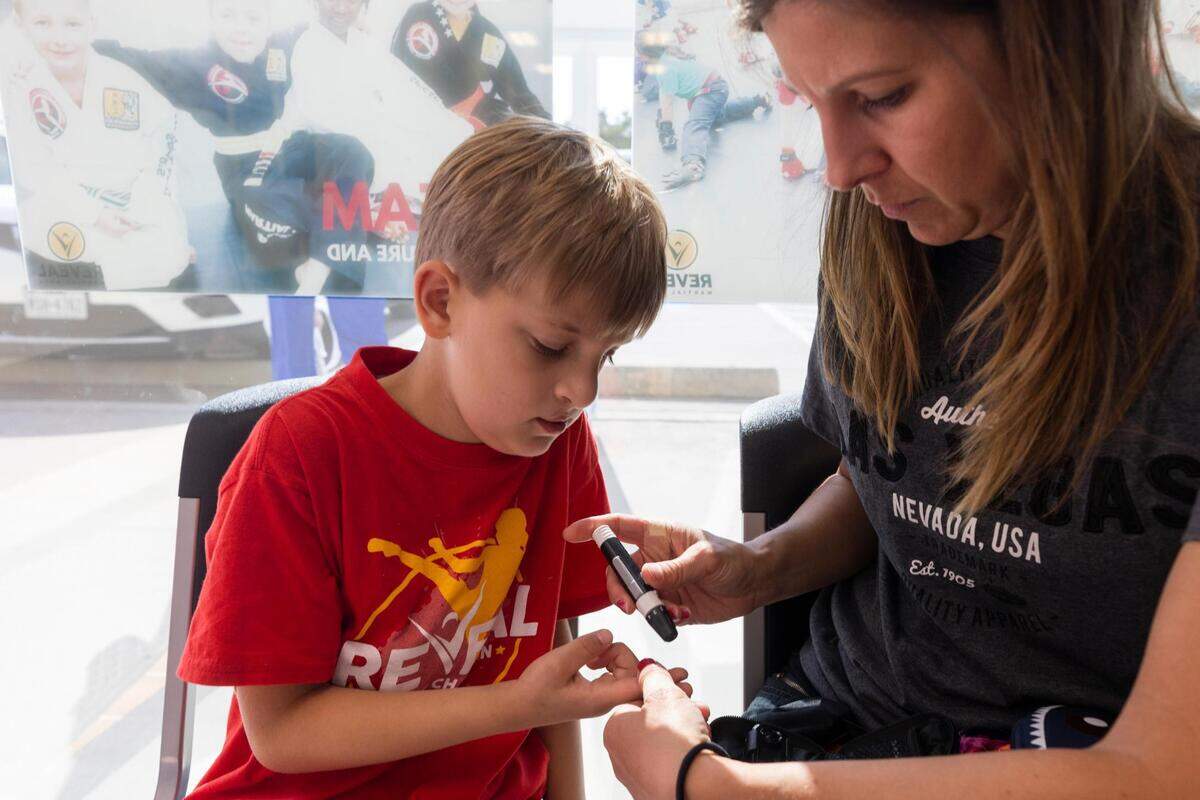
Fleisher said that despite the grace and patience of her children’s school, she hopes that schools will provide more ample accommodation options upfront for parents first figuring out how to care for their diabetic child.
“I think parents, when their (children are) newly diagnosed, don’t really know,” she said. “So they really have to do so much research in knowing what to ask for.”
Parents want more training, enforcement of law
As the parents the Star-Telegram interviewed move forward, the number one thing they hope to see is greater training for teachers and school nurses in the care of diabetic children.
Hannah Dyksterhouse is a teacher at Lake Country Christian School in Fort Worth, where her daughter Tinsley attends elementary school.
When her daughter was having bathroom accidents, she took her into the doctor for what she thought was a bladder infection. In September, she found out that it was Type 1 diabetes.
Sleepless nights checking fluctuating blood sugar levels quickly became a norm, and hallmarks of childhood like birthday parties and sleepovers became a thing of the past, as requirements like counting carbs to properly dose insulin limited Tinsley’s options.
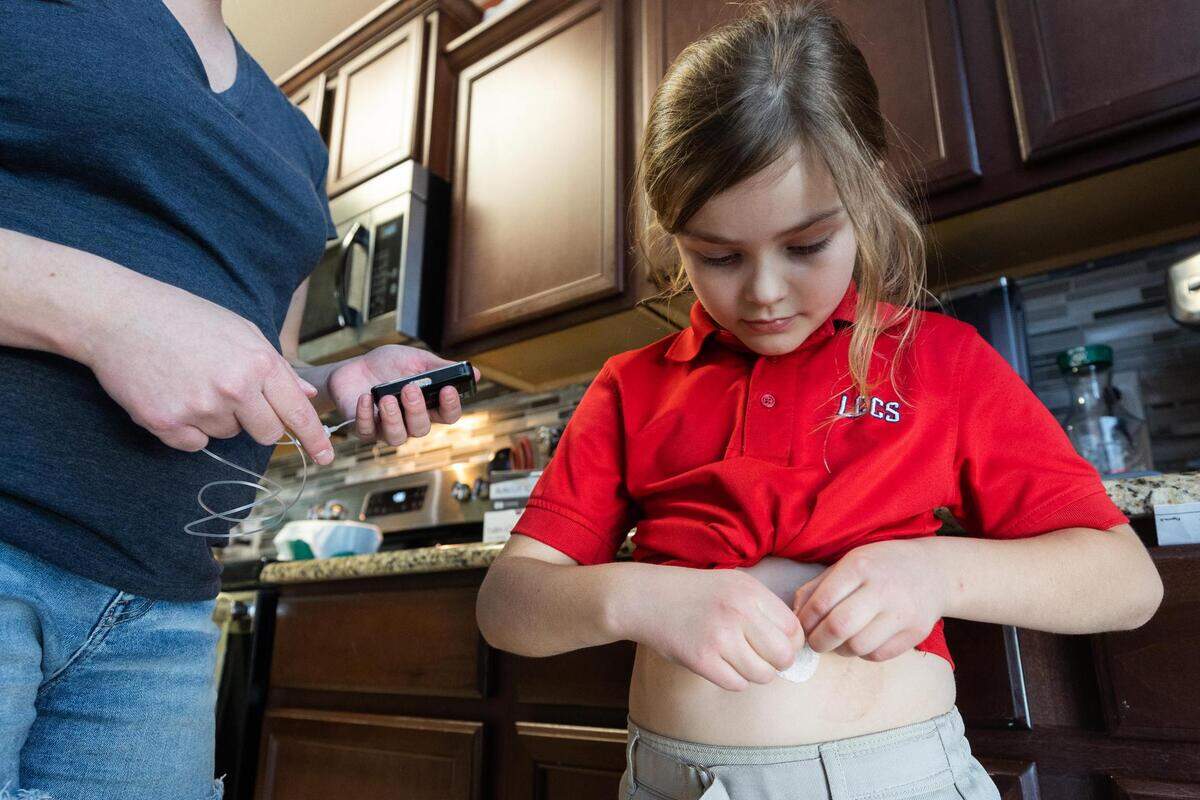
But just like the other families, Dyksterhouse was tasked with bringing the staff at her private school up to speed on how to care for a diabetic child. Unlike the other schools, Lake Country is not held to the same standard under the 2005 law since it is private, but caring for a diabetic child looks similar with both nurses and other school staff involved.
“I really think all nurses should have to go through a training course for Type 1 (diabetes),” Dyksterhouse said. “And I’m speaking for hundreds of parents here ... I’m part of a couple Type 1 groups on Facebook, and I can’t tell you how many posts I see that the nurses are giving the wrong types of fast acting sugar, or they’re not dosing properly … just because they’re not educated on it.”
Dyksterhouse had the benefit of teaching and living close to her daughter’s school, allowing her to step in and provide assistance, and take her daughter home when the symptoms of her highs and lows proved too much for the school day.
But with another child on the way and missing so much school to take care of Tinsley, she decided to take this semester off.
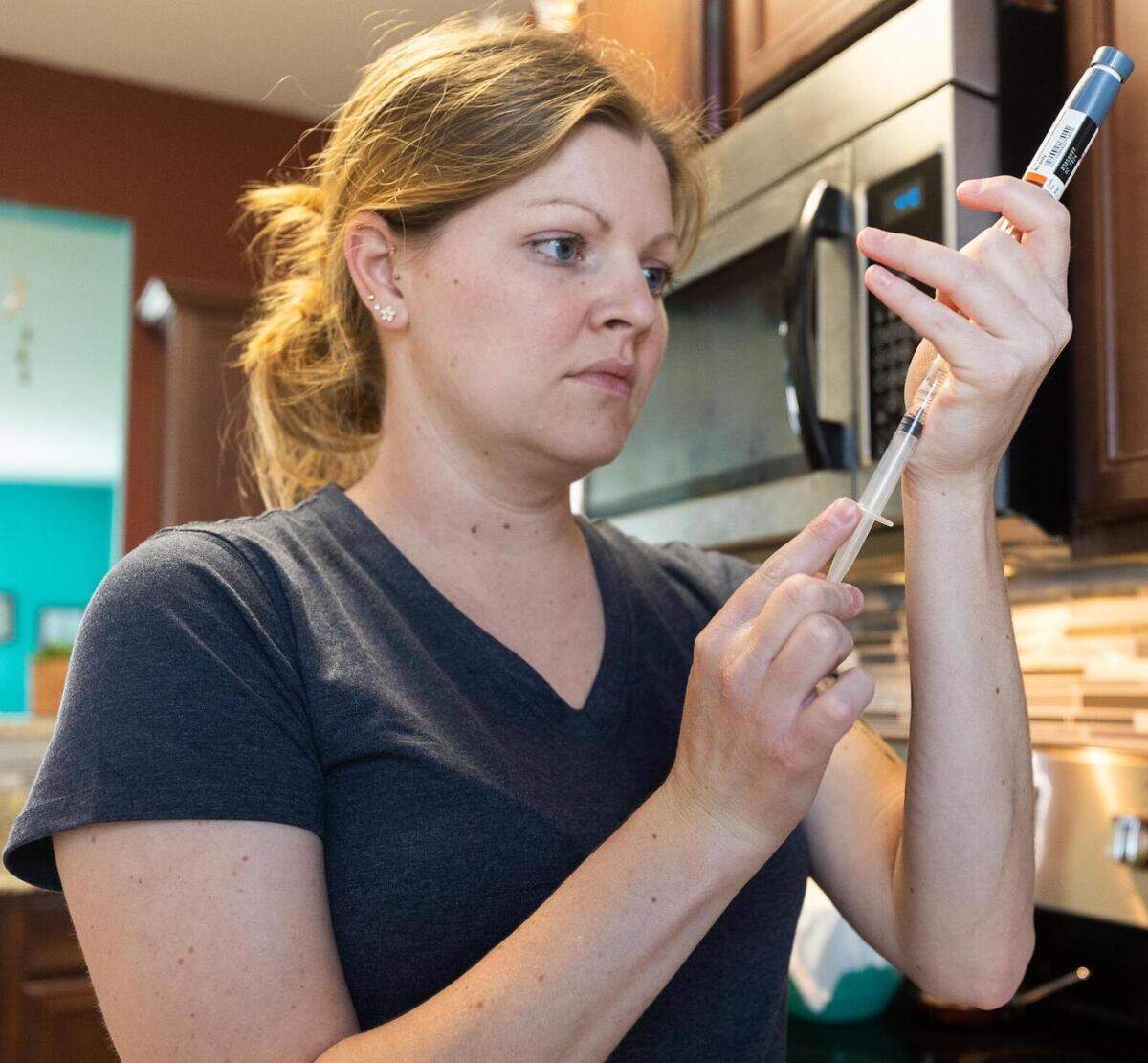
One key resource, which was the starting place for Nidrah and Marlon Green, was the basic education provided by Cook Children’s Hospital in the hours and days after Neyo was rushed into the emergency room.
That same training is given to more than 150 North Texas families a year after their children are diagnosed with diabetes. Following an initial admission to stabilize the child, nurses answer questions and give a crash course in administering insulin, reading blood sugar levels and adjusting doses based on what kids are eating.
Type 1 diabetes is a manageable illness, Cook nurses explained, but it requires daily work. And for young children, who can’t manage the disease on their own, that means that parents, caregivers, babysitters — anyone supervising the child — needs to know the basics of diabetes care to keep the child healthy and safe.
“Their insulin doses are going to be determined based on what they’re eating, and what their blood sugar is,” said Kelli Goree, a nurse and pediatric diabetes educator at Cook Children’s. “If a kid ... has a seizure because of low blood sugar, someone’s got to know how to take care of that child.”
The lessons learned in those first days after a diagnosis have been key to Nidrah’s efforts to ensure safe care of Neyo at his Keller school.
For example, at Cook Children’s hospital, every time a child is dosed with insulin, two staff members check the dosage to make sure it is right.
After the overdose, Nidrah Green requested that the school do the same thing. She hopes that such policies are implemented more widely.
“The training has to be there, you have to immediately get those teachers out of the classroom, get subs in there, immediately get them trained, so the child can be back in school and safe,” she said. “Second thing is there has to be two people. I feel every school there has to be two people that check that insulin before dosing a child.”
The difference between life and death can be the size of a raindrop, she said.
This story was originally published May 19, 2022 at 5:00 AM.