Two lawyers square off in Democratic runoff for Texas AG. Here’s our recommendation
Either finalist for Texas Democrats’ attorney general nomination would be a fresh face to the statewide scene and a notable contrast with incumbent Republican Ken Paxton.
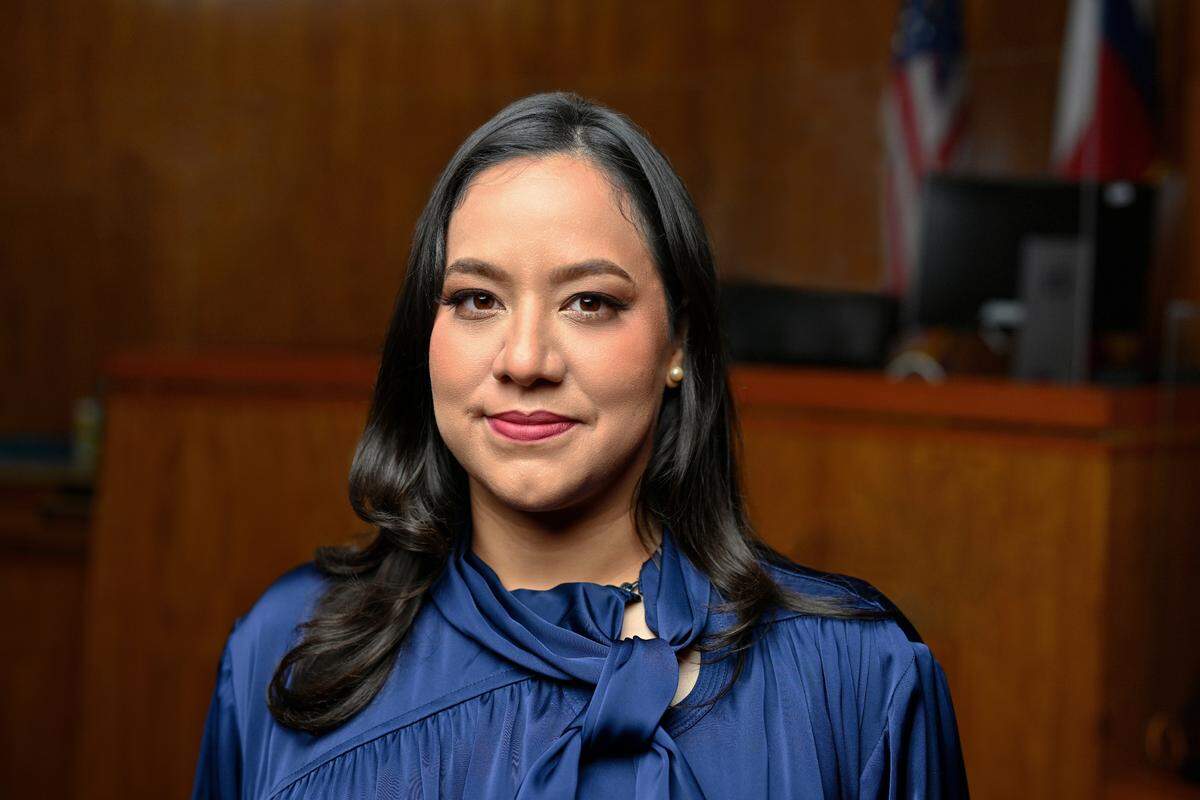
We recommend civil-rights attorney Rochelle Garza, as we did in the initial round of voting in March. The Brownsville activist brings a refreshing focus on the AG office functions that most directly affect Texans: collecting child support and protecting consumers.
That’s not to say she wouldn’t be a voice on progressive priorities, just as Paxton has been for conservative cultural issues and border security. But the workings of the agency must come first.
Garza, 37, led the first round with nearly 43% of the vote. Her opponent, former Galveston Mayor Joe Jaworski, narrowly beat two other candidates to make the runoff, taking 20% of the vote.
Jaworski, 60, is a longtime plaintiff’s attorney. His ability to raise money and perhaps appeal to more moderate voters are pluses, but Democrats would benefit more from youth and diversity on their statewide slate.
Early voting is May 16-20, and Election Day is on May 24. The winner will face either Paxton or George P. Bush, who are in the GOP runoff. It’s a four-year term.
BEHIND THE STORY
MOREHey, who is behind these endorsements?
Members of the Editorial Board, which serves as the Fort Worth Star-Telegram’s institutional voice, decide candidates and positions to recommend to voters. The members of the board are: Cynthia M. Allen, columnist; Steve Coffman, editor and president; Bud Kennedy, columnist; Ryan J. Rusak, opinion editor; and Nicole Russell, opinion writer.
Members of our Community Advisory Board may also participate in candidate interviews and offer their views, but they do not vote on which candidate to recommend.
Read more by clicking the arrow in the upper right.
How does the process work?
The Editorial Board interviews candidates, asking about positions on issues, experience and qualifications, and how they would approach holding the office for which they are running. Board members do additional research on candidates’ backgrounds and the issues at hand. After that, members discuss the candidates and generally aim to arrive at a consensus, though not necessarily unanimity. All members contribute observations and ideas, so the resulting editorials represent the board’s view, not a particular writer.
How do partisanship and ideology factor in?
We’re not tied to one party or the other, and our positions on issues range across the ideological spectrum. We tend to prefer candidates who align with our previously stated positions, but qualifications, temperament and experience are important, too.