Texas Republicans have a chance to be done with Ken Paxton. Here’s why they should take it
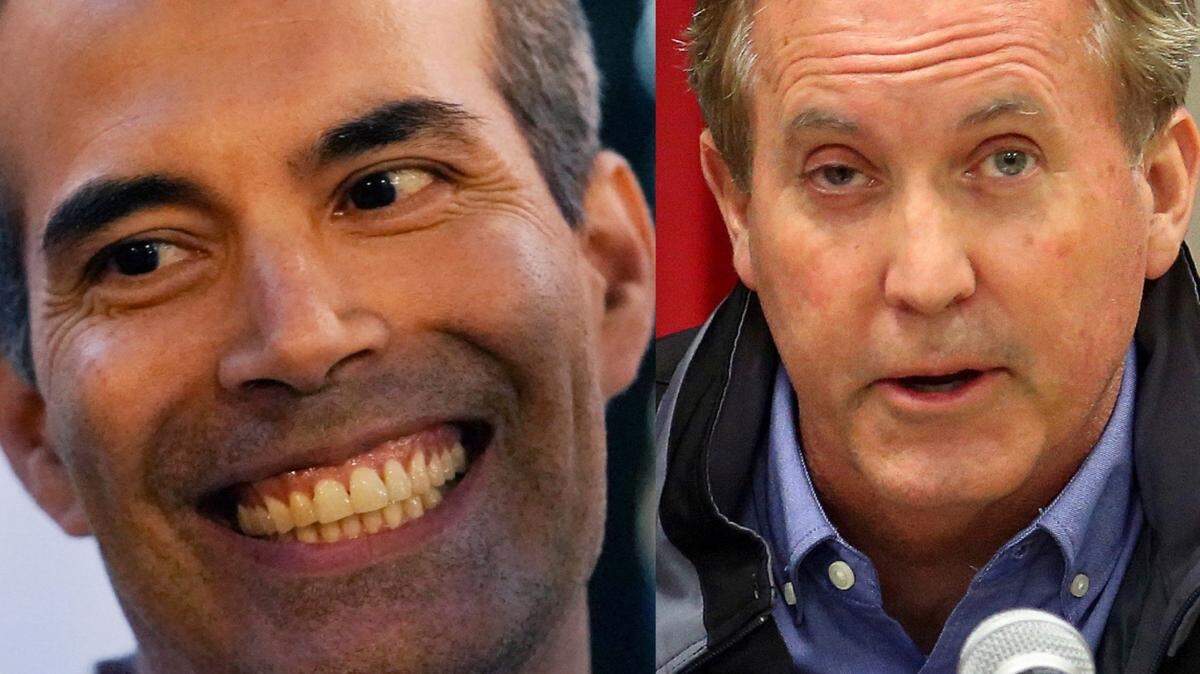
In the May 24 primary runoff elections, one of the most important races is Texas attorney general. If we’ve said it once, we’ve said it 1,000 times: Ken Paxton’s time in that office needs to end.
During his tenure, he’s been indicted on fraud charges. He faces a federal bribery investigation. He obfuscates or degrades the rule of law at every turn.
Before the primary March 1, we recommended former Texas Supreme Court Justice Eva Guzman, due to her lengthy and robust judicial experience. She’s no longer in the running.
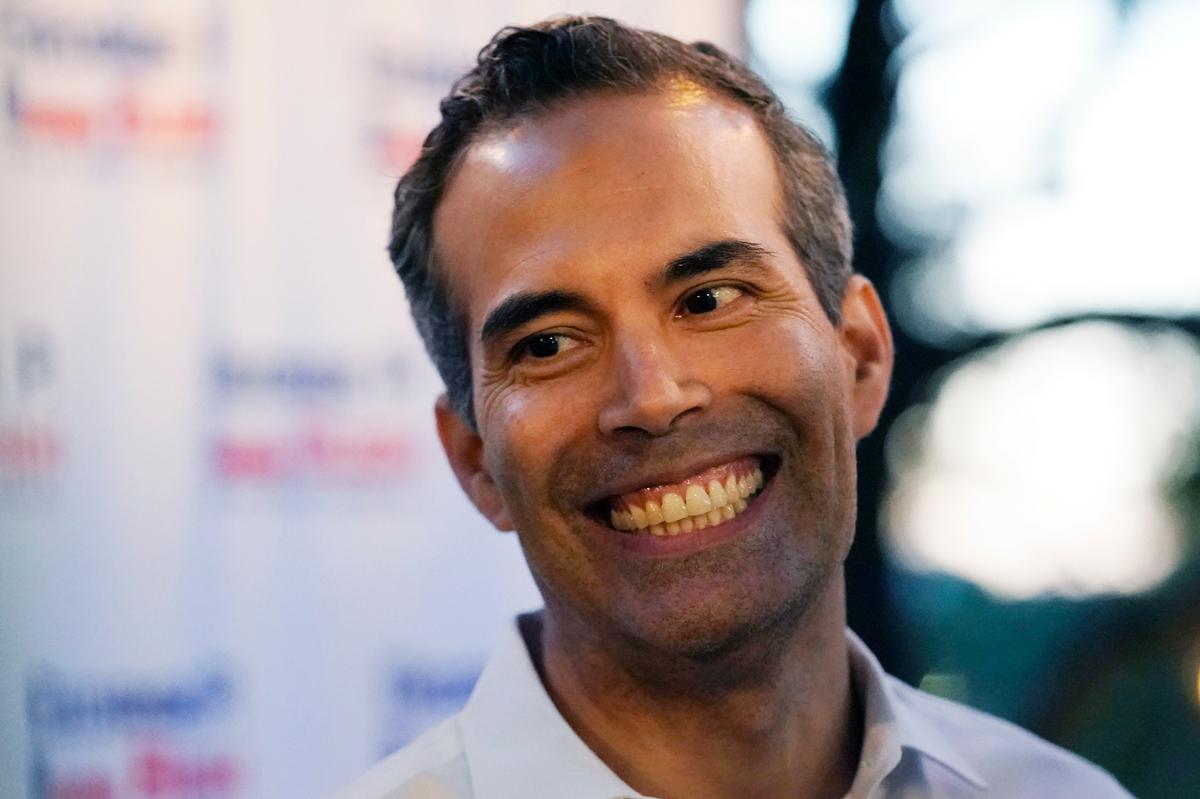
Paxton’s remaining challenger is Land Commissioner George P. Bush, 45, of Houston. With a law degree in hand and a consistent record of service, he’d be a steady and competent choice for AG — a nice change from the Paxton years.
During a recent campaign stop, Bush said he wouldn’t sue school districts if they violate state laws on issues like critical race theory. It would be a breath of fresh air to have someone in office who has a more reasonable approach to handling issues between districts and laws the state enforces, rather than constantly picking legal fights with other state and local entities.
Texas Republicans can have an attorney general candidate who is tough on the federal government without all of Paxton’s drama and embarrassment to Texas. Bush would provide all the energy and activity on border security and election integrity as Paxton, but with more integrity and a better record.
Early voting is May 16-May 20. The winner will face the Democratic runoff victor, either Rochelle Garza or Joe Jaworski, in November’s general election.
BEHIND THE STORY
MOREHey, who is behind these endorsements?
Members of the Editorial Board, which serves as the Fort Worth Star-Telegram’s institutional voice, decide candidates and positions to recommend to voters. The members of the board are: Cynthia M. Allen, columnist; Steve Coffman, editor and president; Bud Kennedy, columnist; Ryan J. Rusak, opinion editor; and Nicole Russell, opinion writer.
Members of our Community Advisory Board may also participate in candidate interviews and offer their views, but they do not vote on which candidate to recommend.
Read more by clicking the arrow in the upper right.
How does the process work?
The Editorial Board interviews candidates, asking about positions on issues, experience and qualifications, and how they would approach holding the office for which they are running. Board members do additional research on candidates’ backgrounds and the issues at hand. After that, members discuss the candidates and generally aim to arrive at a consensus, though not necessarily unanimity. All members contribute observations and ideas, so the resulting editorials represent the board’s view, not a particular writer.
How do partisanship and ideology factor in?
We’re not tied to one party or the other, and our positions on issues range across the ideological spectrum. We tend to prefer candidates who align with our previously stated positions, but qualifications, temperament and experience are important, too.