
If Democrats want an attorney general focused on the actual job, here’s our recommendation
Texas Democrats have several promising candidates for Texas attorney general. And while they may not have many policy differences, they offer an array of experience.
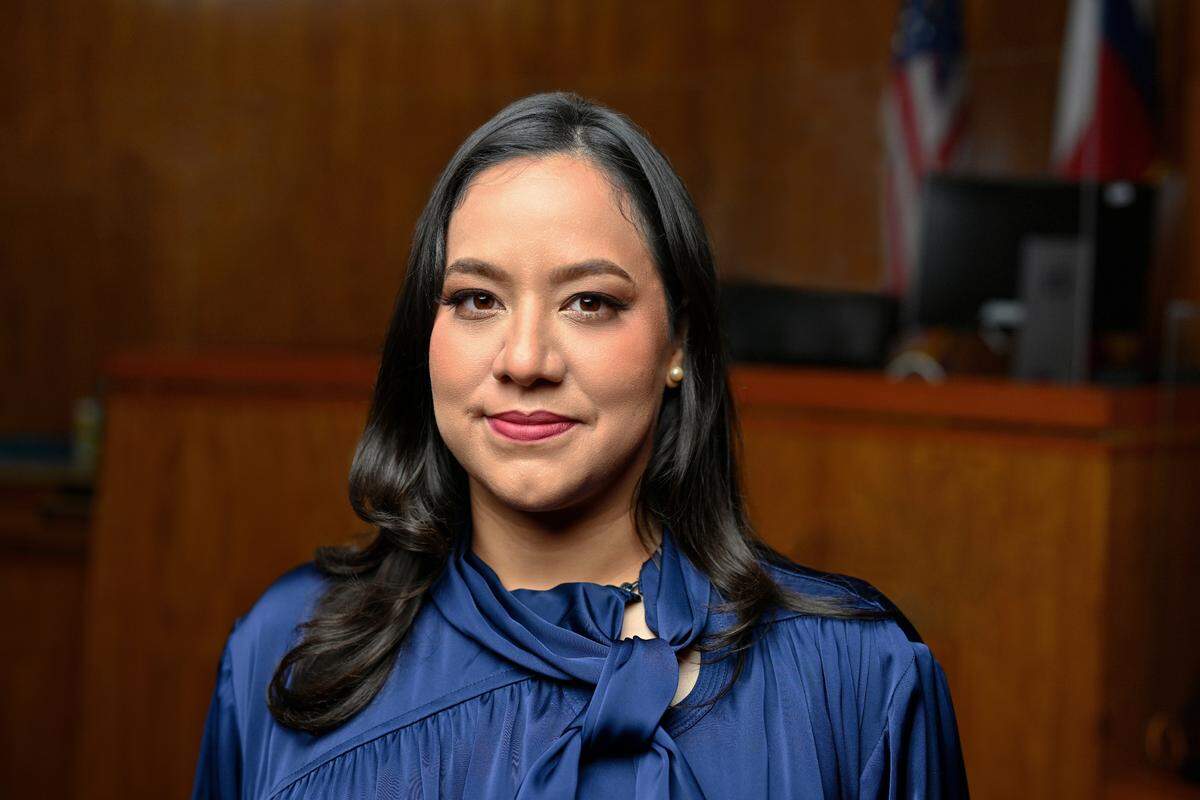
It’s a close call, but we recommend Rochelle Garza, 37, a Brownsville lawyer and activist. In an interview, she showed an impressive grasp of the core functions of the attorney general’s office, such as child support collection and consumer protection.
Garza’s experience as a legal advocate for immigrants and pregnant teenagers, including work for the American Civil Liberties Union, gives her a keen eye for how the legal system can help — or hurt — vulnerable people. Her lack of executive experience could be a political liability, but Democrats would do well to have diversity at the top of their ticket.

Joe Jaworski, a former Galveston mayor and veteran plaintiffs’ attorney who will turn 60 on Election Day, is a relatively well-known and polished candidate. He argues that he might have broader appeal as a more moderate candidate, though he stressed his progressive bona fides.
And that’s a heightened factor for Democratic voters. Attorney General Ken Paxton is probably the most vulnerable Republican statewide candidate. Rivals in his own parties are warning that he’s in danger of losing, given a pending federal investigation. But if voters are looking for a major departure from the status quo, Garza is a better choice than Jaworski.
Civil-rights lawyer Lee Merritt, 39, of McKinney has a nationwide profile as the attorney for families in prominent police-shooting cases. That includes the family of Atatiana Jefferson, the Black woman fatally shot in her home by a Fort Worth officer in 2019. He’s smart and passionate, but he stands out as too progressive to win in Texas.
Mike Fields, 56, a longtime Houston judge is thoughtful and well-qualified. But it’s unlikely Democratic voters will embrace a candidate who was a Republican until just a few years ago. Also running is S. “T-Bone” Raynor, a Dallas lawyer.
Early voting is Feb. 14-25, and Election Day is March 1. If no candidate wins a majority, the top two finishers will move to a May runoff.
BEHIND THE STORY
MOREHey, who is behind these endorsements?
Members of the Editorial Board, which serves as the Fort Worth Star-Telegram’s institutional voice, decide candidates and positions to recommend to voters. The members of the board are: Cynthia M. Allen, columnist; Steve Coffman, editor and president; Bud Kennedy, columnist; Ryan J. Rusak, opinion editor; and Nicole Russell, opinion writer.
Members of our Community Advisory Board may also participate in candidate interviews and offer their views, but they do not vote on which candidate to recommend.
Read more by clicking the arrow in the upper right.
How does the process work?
The Editorial Board interviews candidates, asking about positions on issues, experience and qualifications, and how they would approach holding the office for which they are running. Board members do additional research on candidates’ backgrounds and the issues at hand. After that, members discuss the candidates and generally aim to arrive at a consensus, though not necessarily unanimity. All members contribute observations and ideas, so the resulting editorials represent the board’s view, not a particular writer.
How do partisanship and ideology factor in?
We’re not tied to one party or the other, and our positions on issues range across the ideological spectrum. We tend to prefer candidates who align with our previously stated positions, but qualifications, temperament and experience are important, too.
This story was originally published February 10, 2022 at 5:04 AM.