
Texas Democrats will struggle to challenge Dan Patrick. Here’s the candidate with the best shot
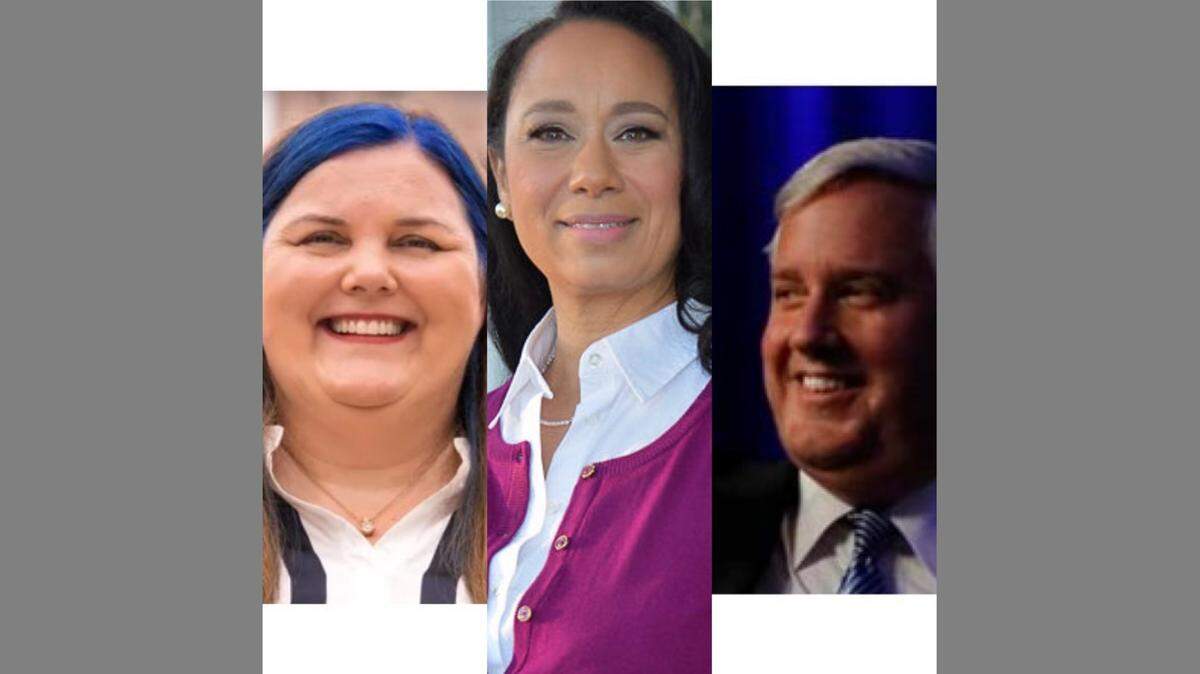
Of all the Republicans on the statewide ballot, Texas Democrats would probably most relish beating Lt. Gov. Dan Patrick.
But to pull it off, they’re going to need better candidates.
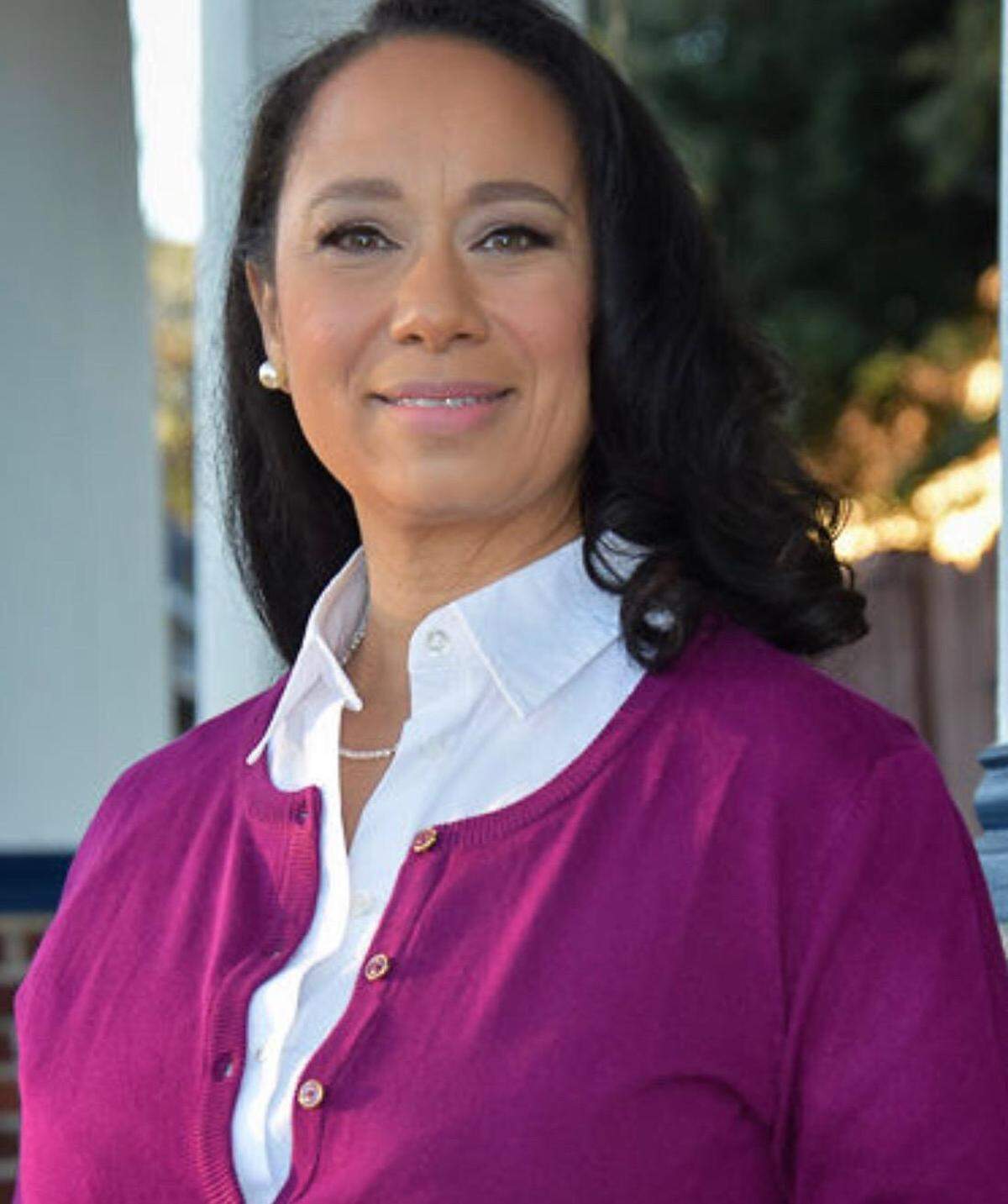
In a field lacking a strong contender, we recommend Carla Brailey, the former vice chairwoman of the state Democratic Party. Brailey, 49, of Houston brings a solid record in education as a professor of sociology at Texas Southern University and as an activist.
Brailey speaks convincingly about leading by bringing people together, an important attribute for wrangling state senators. She’s plenty tough on Patrick but has a positive agenda on health care, energy and other top concerns.
She also argues convincingly that to beat Patrick, Democrats need a candidate who can inspire an important segment of the party base — Black women. She’s the only Black woman running for a top statewide office, and the party needs a diverse ticket to showcase a different path for Texas.

Mike Collier, a Houston accountant and auditor, is probably the best known Democratic candidate. He ran unsuccessfully for comptroller in 2014 and against Patrick in 2018, when he came closer to winning than most typical statewide Democratic candidates. But there’s no evidence a two-time loser can break through on the third try. Collier’s campaign did not respond to an interview request.
State Rep. Michelle Beckley of Carrollton, a 52-year-old business owner, is also running.
If no candidate wins more than 50% of the vote, a May runoff between the top two will decide the nomination.
Patrick faces several primary challengers, but there’s no reason to think he won’t cruise to the GOP nomination.
Early voting starts Monday and ends Feb. 25. Election Day is March 1.
BEHIND THE STORY
MOREHey, who is behind these endorsements?
Members of the Editorial Board, which serves as the Fort Worth Star-Telegram’s institutional voice, decide candidates and positions to recommend to voters. The members of the board are: Cynthia M. Allen, columnist; Steve Coffman, editor and president; Bud Kennedy, columnist; Ryan J. Rusak, opinion editor; and Nicole Russell, opinion writer.
Members of our Community Advisory Board may also participate in candidate interviews and offer their views, but they do not vote on which candidate to recommend.
Read more by clicking the arrow in the upper right.
How does the process work?
The Editorial Board interviews candidates, asking about positions on issues, experience and qualifications, and how they would approach holding the office for which they are running. Board members do additional research on candidates’ backgrounds and the issues at hand. After that, members discuss the candidates and generally aim to arrive at a consensus, though not necessarily unanimity. All members contribute observations and ideas, so the resulting editorials represent the board’s view, not a particular writer.
How do partisanship and ideology factor in?
We’re not tied to one party or the other, and our positions on issues range across the ideological spectrum. We tend to prefer candidates who align with our previously stated positions, but qualifications, temperament and experience are important, too.
This story was originally published February 12, 2022 at 5:04 AM.