
Moderate or progressive? Our recommendation for Democratic voters in Tarrant DA race
Democrats have two lawyers and a former judge to choose from in the Tarrant County district attorney race. But they’re also voting on prosecutorial approach.
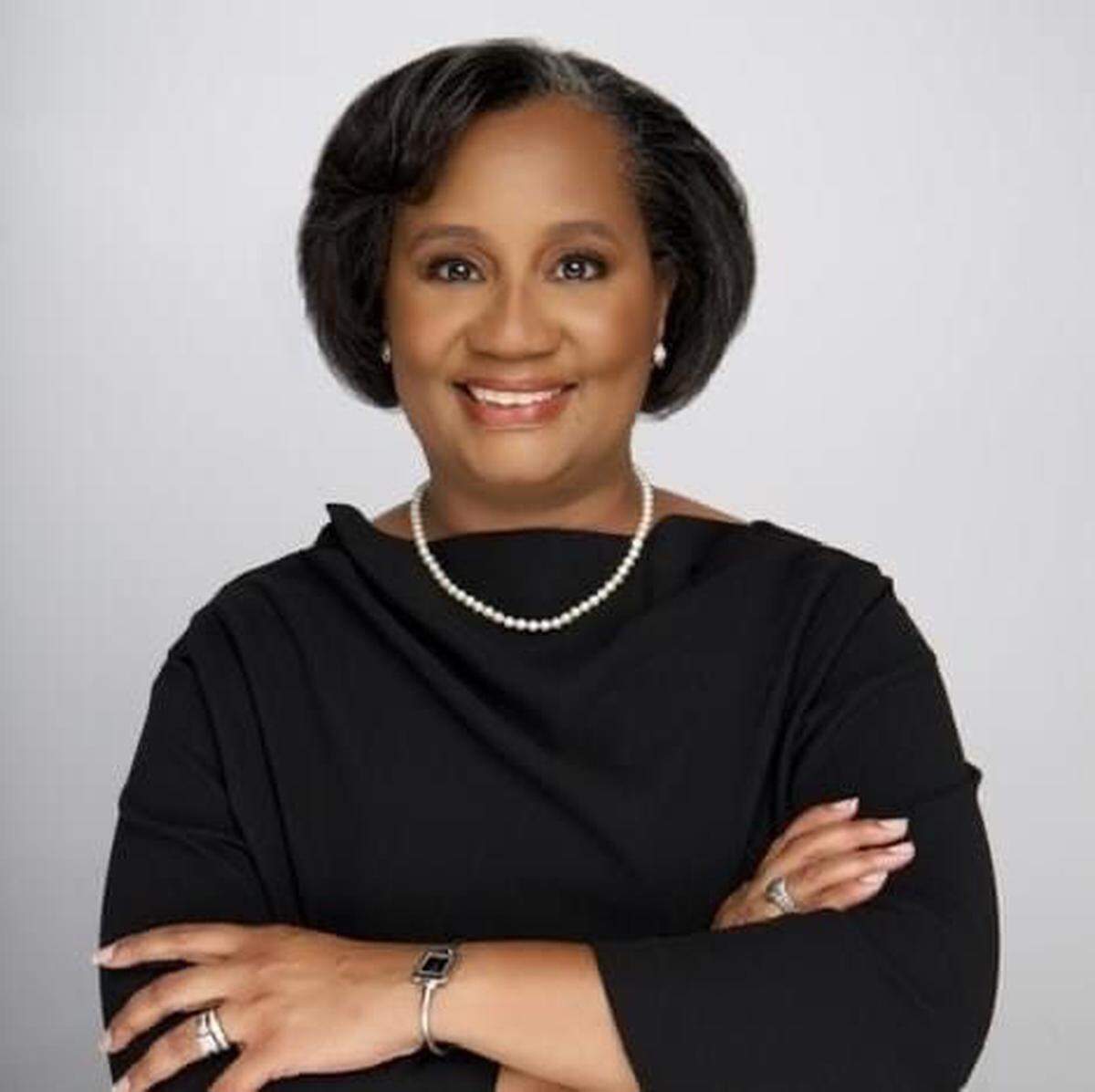
We recommend Tiffany Burks, a former chief of the DA’s felony division. Her extensive knowledge of the workings of the office, along with her moderate approach to the job, give her an edge.
Burks, 51, of Grand Prairie, has given thought to how to improve morale and training to reduce turnover. She wants top managers to work directly with up-and-coming prosecutors on trial training and how to evaluate cases. And she wants them to occasionally try cases to show an example.

DA’s are increasingly in the middle of major political issues, given the ongoing debates about policing tactics, rising crime, bail and incarceration. The election of some progressive prosecutors in large cities has raised concerns about an overcorrection that will handcuff police and open the door to a crime wave.
Burks pledges to stay more in the middle, working with law enforcement but pledging to pursue changes to bail policies and other issues that disproportionately affect poor and minority defendants.
Opponent Albert Roberts, 40, of Fort Worth puts himself more in the progressive camp. He has a thoughtful approach, along with valuable experience as a prosecutor and a defense attorney. He wants Tarrant County to be the vanguard for progressive prosecutors. But it would be better for the county to learn from the experiments — and excesses — of other large urban jurisdictions.
And for the party, a more moderate candidate is more likely to be competitive in a year in which Republicans have several political advantages.
Also running is Larry Meyers, a former judge who lives in Fort Worth. He did not attend our candidate interview.
Early voting is Feb. 14-25, and Election Day is March 1. If no candidate wins a majority, the top two will move to a May runoff.
BEHIND THE STORY
MOREHey, who is behind these endorsements?
Members of the Editorial Board, which serves as the Fort Worth Star-Telegram’s institutional voice, decide candidates and positions to recommend to voters. The members of the board are: Cynthia M. Allen, columnist; Steve Coffman, editor and president; Bud Kennedy, columnist; Ryan J. Rusak, opinion editor; and Nicole Russell, opinion writer.
Members of our Community Advisory Board may also participate in candidate interviews and offer their views, but they do not vote on which candidate to recommend.
Read more by clicking the arrow in the upper right.
How does the process work?
The Editorial Board interviews candidates, asking about positions on issues, experience and qualifications, and how they would approach holding the office for which they are running. Board members do additional research on candidates’ backgrounds and the issues at hand. After that, members discuss the candidates and generally aim to arrive at a consensus, though not necessarily unanimity. All members contribute observations and ideas, so the resulting editorials represent the board’s view, not a particular writer.
How do partisanship and ideology factor in?
We’re not tied to one party or the other, and our positions on issues range across the ideological spectrum. We tend to prefer candidates who align with our previously stated positions, but qualifications, temperament and experience are important, too.
This story was originally published February 9, 2022 at 5:02 AM.