MLK ‘taught us to stand up and do what was right’ on 1959 visit to Fort Worth
The memory of Rev. Martin Luther King Jr. has returned to downtown Fort Worth.
In 1959, an up-and-coming Alabama pastor, the Rev. Martin Luther King Jr., defied a bomb threat to speak at the old Majestic Theater downtown.
He would go on to become the leader of the civil rights movement and the first pastor honored with a national holiday.
A marker in Worth Square remembers that Oct. 22, 1959, visit.
At a time when Fort Worth still had segregated movie theaters and water fountains, King spoke to a crowd of about 400 guests who paid $1.25 and came in the front door for the first time at the turn-of-the-century Majestic Theater, an old vaudeville house at 1101 Commerce St.
The Rev. Kyev Tatum of Fort Worth said he read a 2015 column in this space and thought the site deserved a city marker. The Fort Worth Chamber of Commerce has ordered the bronze Heritage Trails marker with a gift from a Tarleton State University criminology professor, Gary Lacefield, and his wife, Anne.
“When I read the paper, I said, ‘Wow, this has to happen,’” Tatum said.
“I didn’t know when. I didn’t know how. I didn’t know in what way. … When they suggested putting it on Worth Square by Kennedy, I almost fell out of my chair.”
The bronze JFK Tribute on Main Street marks the site of President John F. Kennedy’s last public speech. King’s only Fort Worth speech was in the theater, diagonally across the block and across Commerce Street, but the King marker will go on Main Street because construction is planned on Commerce.
The marker also deservedly honors King’s local host, the late Vada Felder, a National Baptist Congress author and teacher who was the first Black student to earn a degree from Texas Christian University, then as Brite College of the Bible and now Brite Divinity School.
“It wasn’t until I delved into this project that I learned the depth of her legacy,” Tatum said.
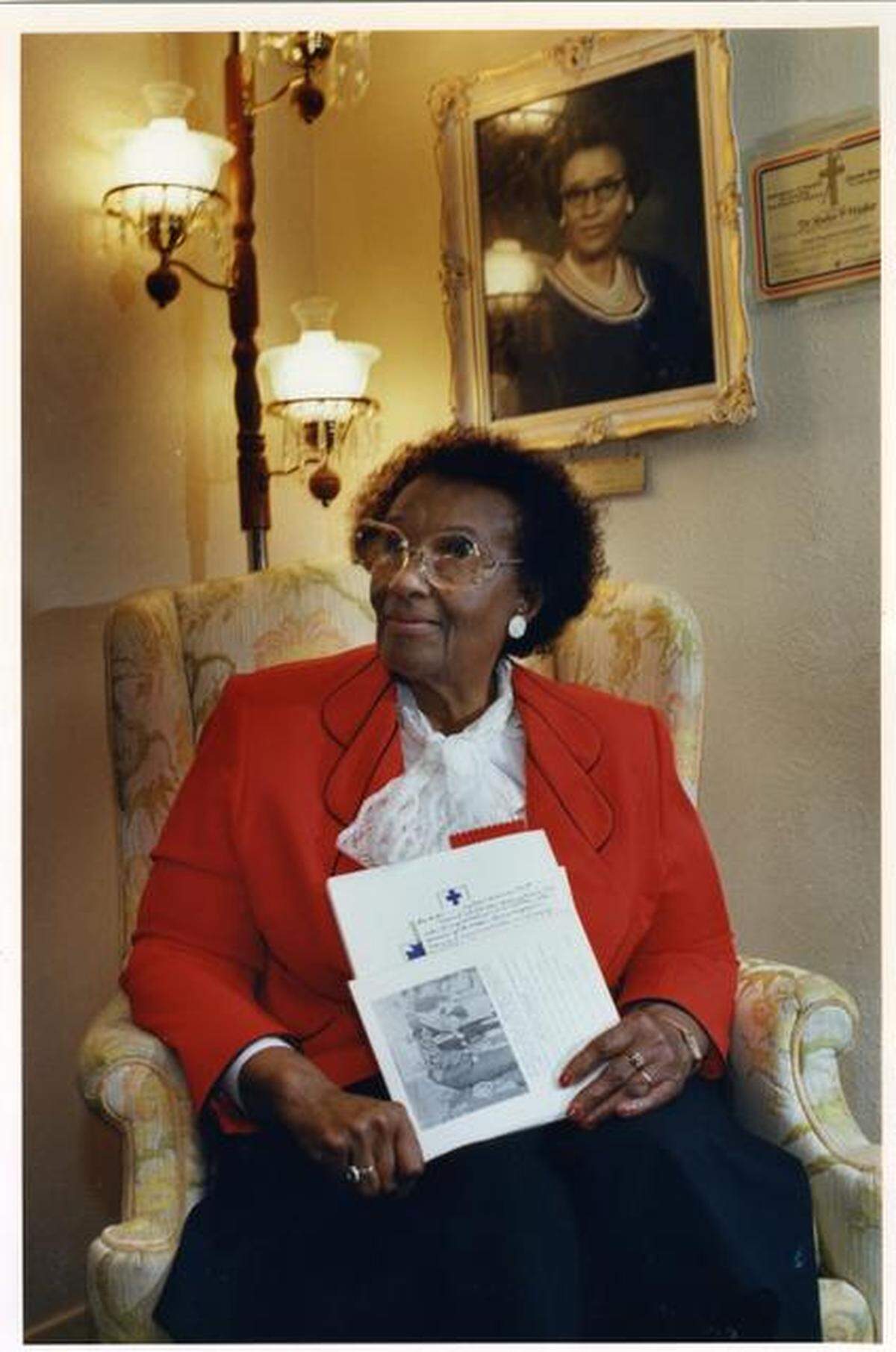
In one of several interviews with the late retired Star-Telegram religion writer Jim Jones, Felder said King’s visit “taught us that we had nothing to fear. Folks were afraid there would be a race riot. It didn’t happen. There was a bomb threat. It didn’t happen.”
The marker quotes her as saying King’s visit “taught us we could stand up and do what was right — and do it in peace.”
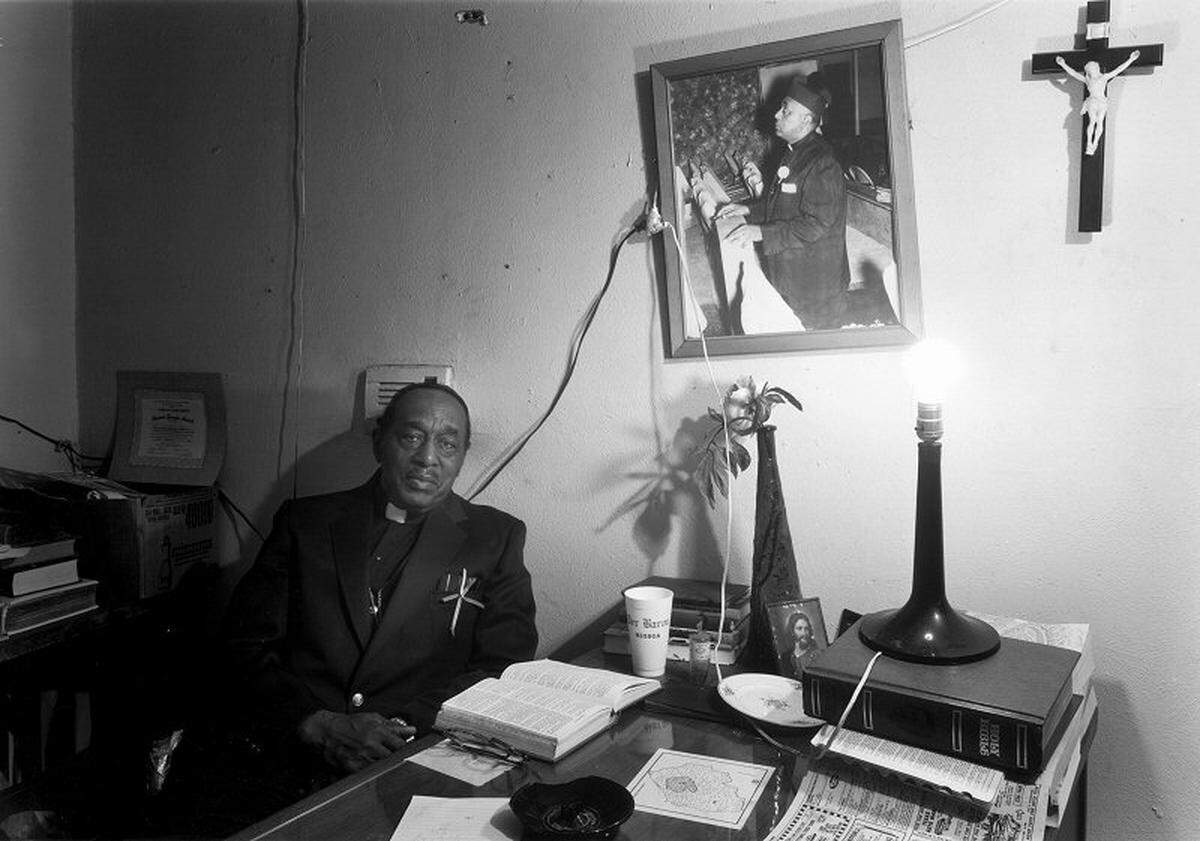
She invited King at the urging of the late Rev. Kirby Holmes of the Upper Room Temple church on East Hattie Street. He was a radio host on then-KNOK, later KHVN/970 AM. Holmes was a cousin of one of King’s partners in the civil rights movement, the Rev. Ralph Abernathy.
Herb Baker of Baker Funeral Home picked King up at Dallas Love Field and brought him first to a reception on Bellaire Drive West near TCU with some Brite professors.
Some other pastors stayed away from the theater that night, out of fear or jealousy, Jones has written.
Holmes was quoted as saying that other preachers “wanted to know what good it would do.”
When a men’s chorus didn’t show up, the late pianist and singer Francine Reese Morrison performed.
King gave his “A Great Time to be Alive” speech: “We stand between the dying old and the emerging new. There can be no birth and growth without pains. The infant Freedom is dying to be born.”
Coincidentally, that part of downtown holds more Fort Worth civil rights history.
In 1911, two blocks south at 1200 Main St., a mob of 1,000 whites descended on and destroyed a movie theater that had opened to serve Black patrons.
(The only race riots in Fort Worth history involved white people.)
And on Aug. 13, 1961, Freedom Riders activists from California came to desegregate the Post House Cafeteria in the old Greyhound Bus Lines station at 1001 Commerce St. where a Hampton Inn & Suites now stands.
They came, dined together and left Fort Worth without any confrontation whatsoever, according to Star-Telegram archives. Other riders that same weekend in Houston were jailed.
A mural three blocks east in a train station depicts the Black history of Fort Worth. That block of Jones Street was once a busy Black banking and business district.
I wrote more in another column about the King marker and how his assassination 50 years ago stirred both tears and hatred in Texas.
This story was originally published March 31, 2018 at 11:35 AM with the headline "MLK ‘taught us to stand up and do what was right’ on 1959 visit to Fort Worth."