
A death on Samuels Avenue: New memorial recalls a lynching Fort Worth history forgets
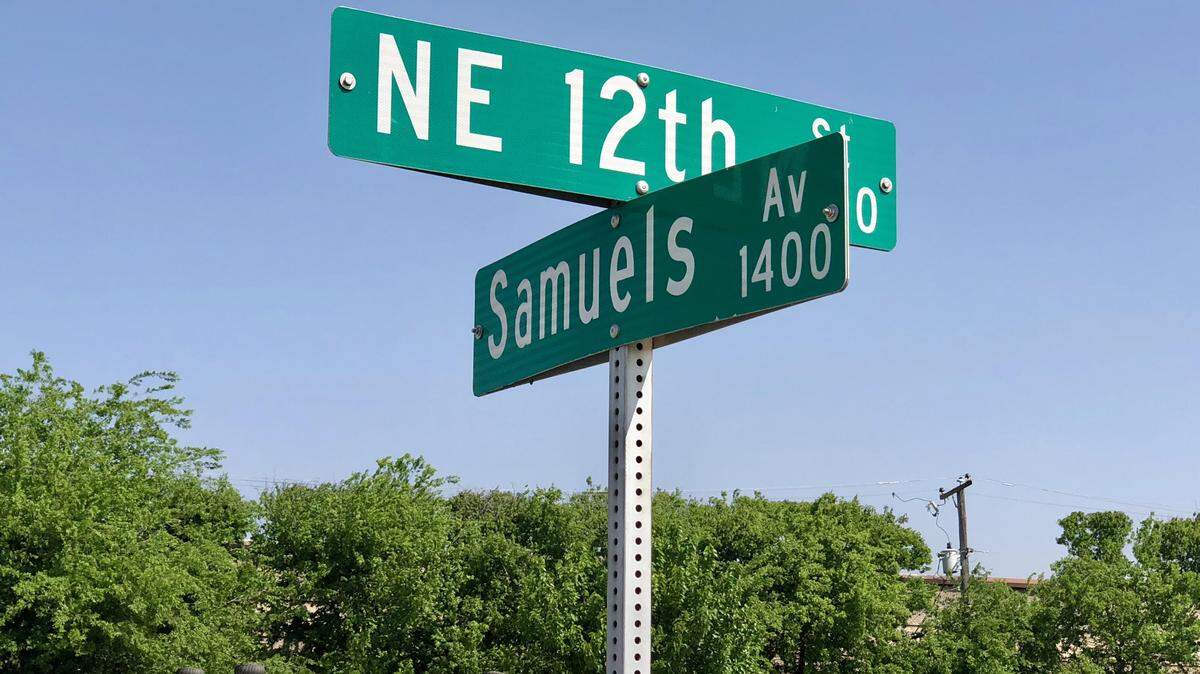
Fred Rouse has been dead nearly 100 years, and finally somebody outside his family remembered.
But for now, the Black man lynched by whites in Fort Worth 1921 only has a memorial in Alabama.
Rouse, 53, was the Stockyards packinghouse butcher beaten, stomped and stabbed, then later abducted from his county hospital bed, shot and hanged on Samuels Avenue north of downtown.
His death is represented by one of 805 markers in the new National Memorial for Peace and Justice opening April 26 in Montgomery, Alabama.
A twin marker is ready and waiting for a sponsor to bring it to Fort Worth.
Maybe you saw Oprah Winfrey tour the new memorial on “60 Minutes.”
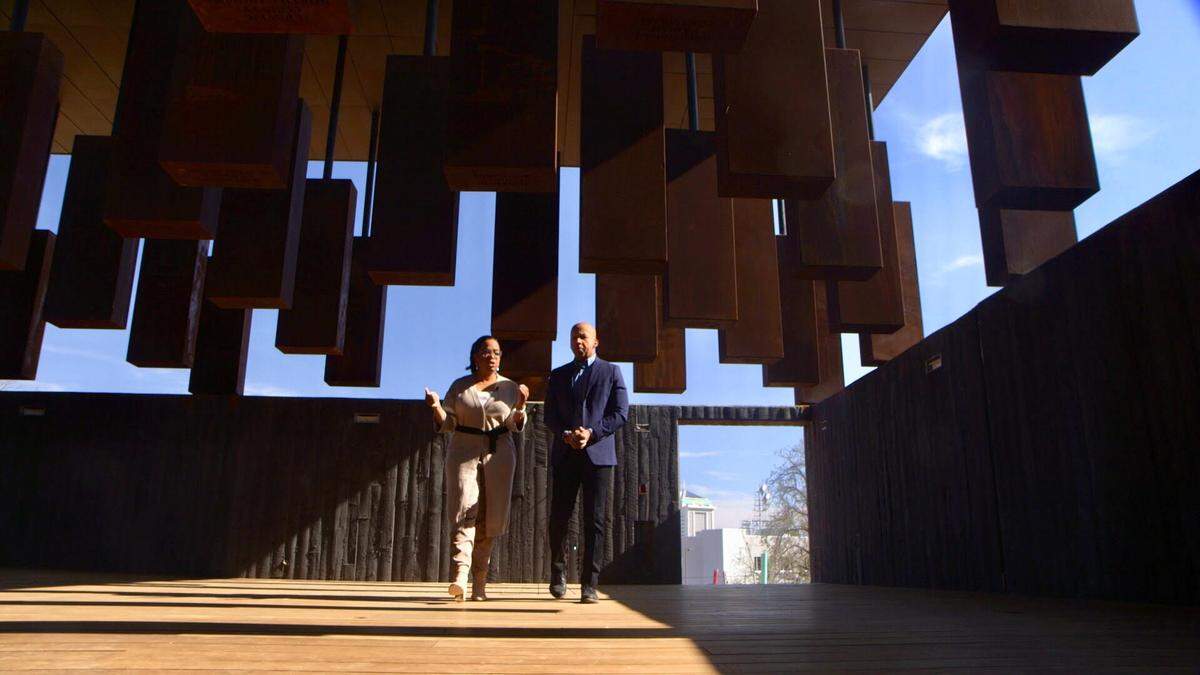
Project founder Bryan Stevenson, a lawyer and executive director of the Montgomery-based Equal Justice Initiative, explained the memorial: “I don’t think we get to pretend that this stuff didn’t happen. I don’t think you can just play it off. This is like a disease. You have to treat it.”
Each of the 805 steel markers represents a county with one or more of the 4,000 documented race-terror lynchings of African Americans, with a duplicate made for placement in each county.
Rouse’s death is the only one on Tarrant County’s marker. Two each are listed in Dallas and Denton counties. Several East Texas counties had 10 or more; McLennan (Waco) had 15.
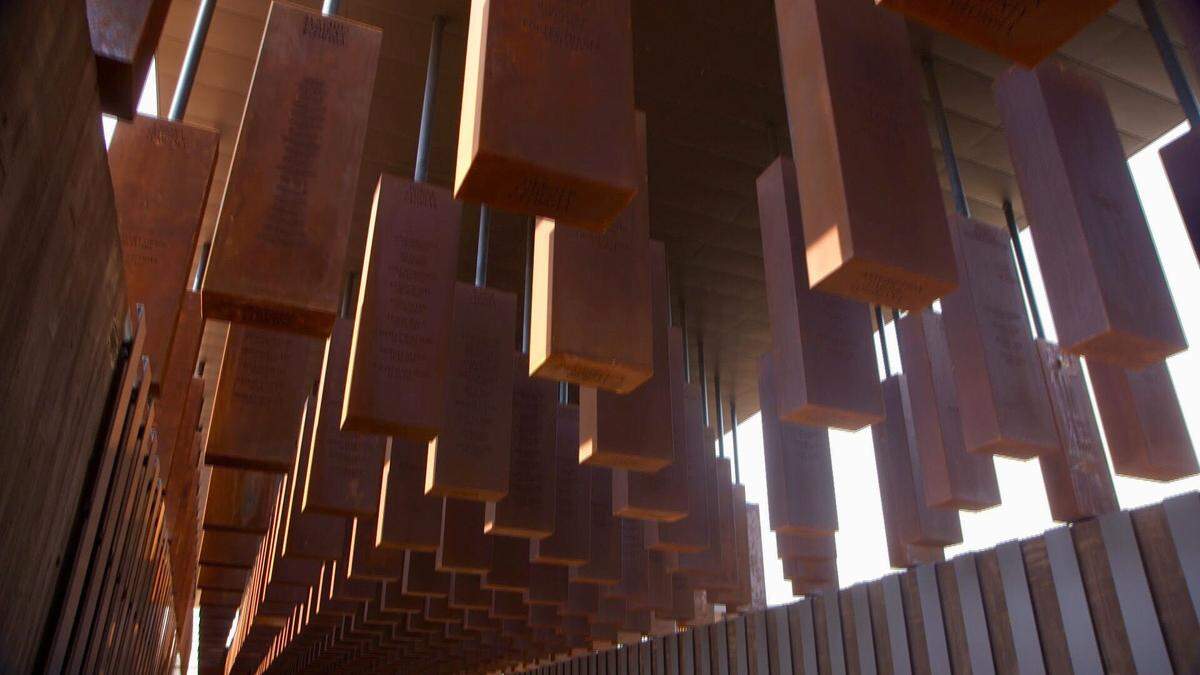
The lynchings cover the post-Emancipation and Jim Crow years of 1877-1950.
Understand, Rouse’s killing was not some Civil War relic. This was in 1921, when Fort Worth was very much a city but also still very much segregated and under control of white Protestant judges, prosecutors, police and businessmen in a reborn Ku Klux Klan.
When the national packinghouse workers’ union went on strike that December, Black Americans and immigrants were hired as strikebreakers.
On Dec. 6, 1921, Rouse was leaving his morning shift at Swift & Co. when he was threatened by striking white butchers, according to Star-Telegram archives.
When he drew a pistol in fear and shot two young butchers, the crowd chased him down East Exchange Avenue and attacked.
(It was police from Niles City — then a separate Stockyards-area suburb — who took him to the county hospital, then downtown. But two Niles City officers were among five men later accused in his lynching away from a doctor and a helpless nurse. Nobody was ever charged.)
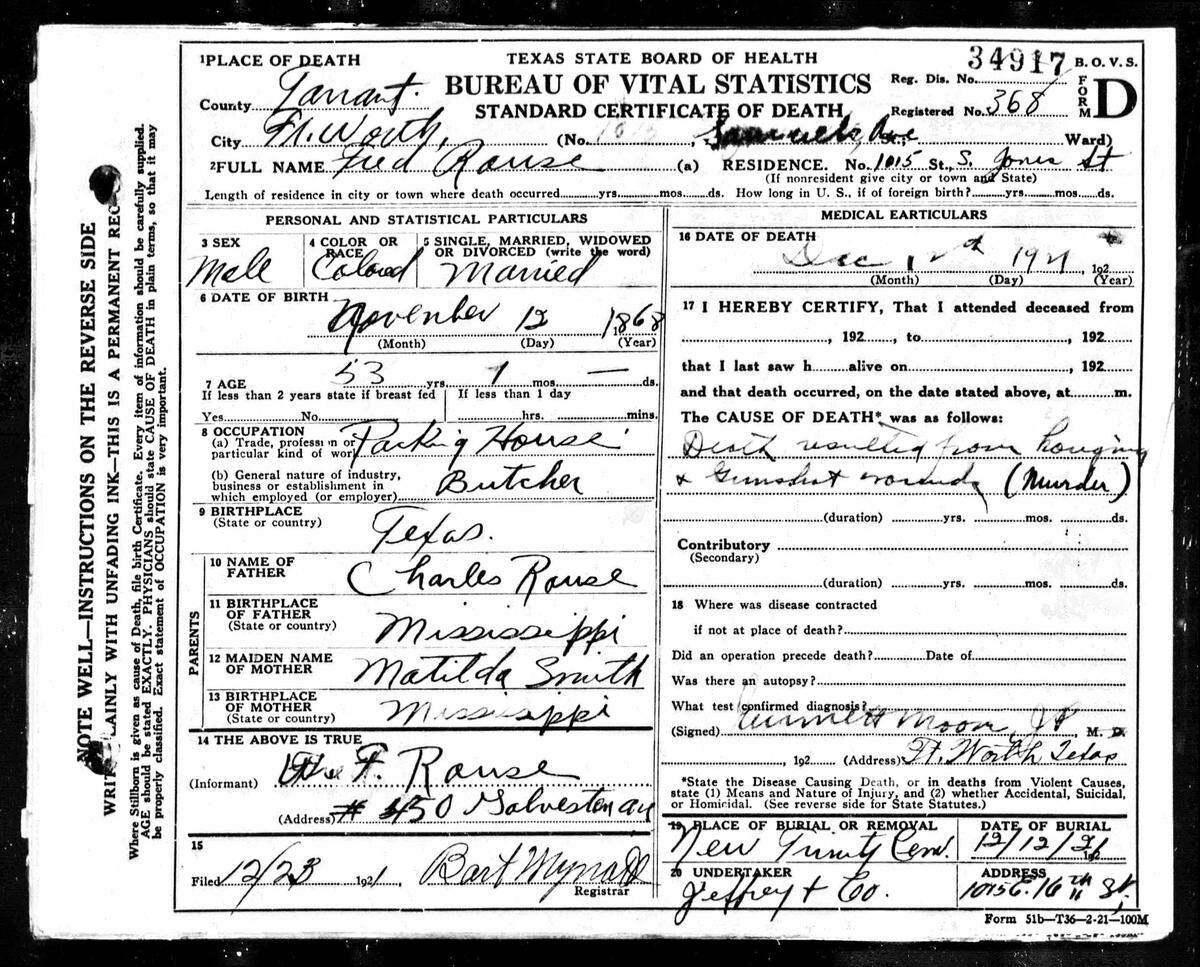
Rouse was hanged from a now-gone mulberry tree at Samuels Avenue and Northeast 12th Street. According to his death certificate, he is buried in New Trinity Cemetery in what is now Haltom City.
At a time when some cities across the South are installing memorials and honoring families of the victims of race killings during the struggle for civil rights, Tarrant County just removed only a monument on the courthouse lawn to Confederate States soldiers and their war veteran descendants.
Maybe Rouse’s marker could go up instead.
The Alabama memorial is expected to draw thousands of tourists each year to Montgomery, the original Confederate States capital but later a civil rights landmark as the home of the Rev. Martin Luther King Jr.’s church and Rosa Parks’ arrest in a city bus boycott.
“Some cities are making more of an effort to uncover things that have been squashed and hidden,” said George Keaton Jr., a retired Dallas school counselor who now leads monthly tours for a history group, Remembering Black Dallas.
“These lynchings were all pushed into the past. People are saying, OK, we have all these Confederate monuments — let’s take a look at this other history too.”
It’s time.
This story was originally published April 14, 2018 at 3:57 PM with the headline "A death on Samuels Avenue: New memorial recalls a lynching Fort Worth history forgets."