
Can I do laundry during a winter storm? Follow these tips for your house
While homeowners do everything they can to protect their homes from a winter freeze, how do their appliances hold up?
“This weekend in Texas, do not do your laundry,” Instagram user J.R. Minton said in a post. “We need the power grid to be specifically for heat.”
After the 2021 winter storm that caused more than 200 deaths and prolonged power outages in Texas, residents doubt the power grid’s ability to withstand freezing temperatures.
However, on the flip side of saving power for heat, you also need to run water through your pipes.
Washing machines, dishwashers, refrigerators and freezers are all hooked up to water lines that could also freeze during a winter storm.
So what’s better: Don’t use the appliances to save power for heat, or use the appliances to keep pipes warm?
Is there such a thing as ‘saving power’ for heat?
The Electric Reliability Council of Texas (ERCOT) may issue a voluntary energy conservation notice asking Texans to conserve energy where they can during times of high demand.
ERCOT has only issued a weather notice, not a conservation notice. However, winter storms are considered to be high demand, as most Texans are avoiding roads by staying warm at home, using their appliances, heat, and water.
Ways to reduce energy usage during high-demand include:
- Lower the thermostat by a degree or two– be sure to keep the thermostat set above 60 degrees during freezing weather.
- Avoid using large appliances– washers, dishwashers, dryers.
- Turn off and unplug non-essential lights and appliances.
- Commercial businesses should turn off any lights or air conditioning during non-operational hours.
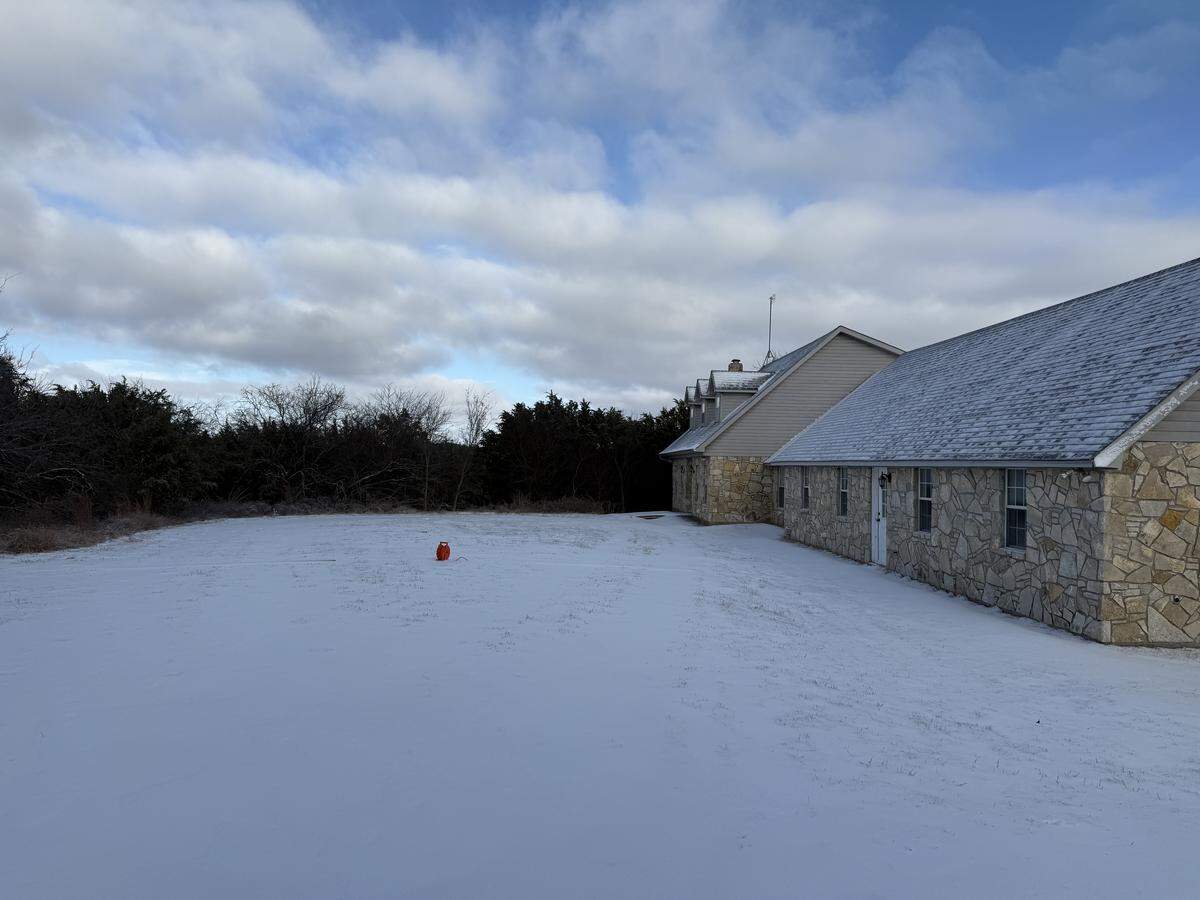
Is it safe to do laundry during a winter storm?
According to Sears Home Services, washing machines can be vulnerable to winter storms, especially if they are located in a room without heat or near an outside wall.
It’s best to not do any loads of laundry if your machine is located in any room without heat or located with many outside-facing walls.
Sears says the risk of laundry machines next to poorly insulated walls is the possibility of ice forming in hoses and pumps. Ice or frozen pipes can cause the water intake valve to break, causing a flood.
How to prevent your washing machine from getting frozen pipes
To avoid appliances getting frozen pipes:
- Disconnect the waterlines from the wall. Connect again when using the washer.
- Wrap the washer’s hose with pipe insulation.
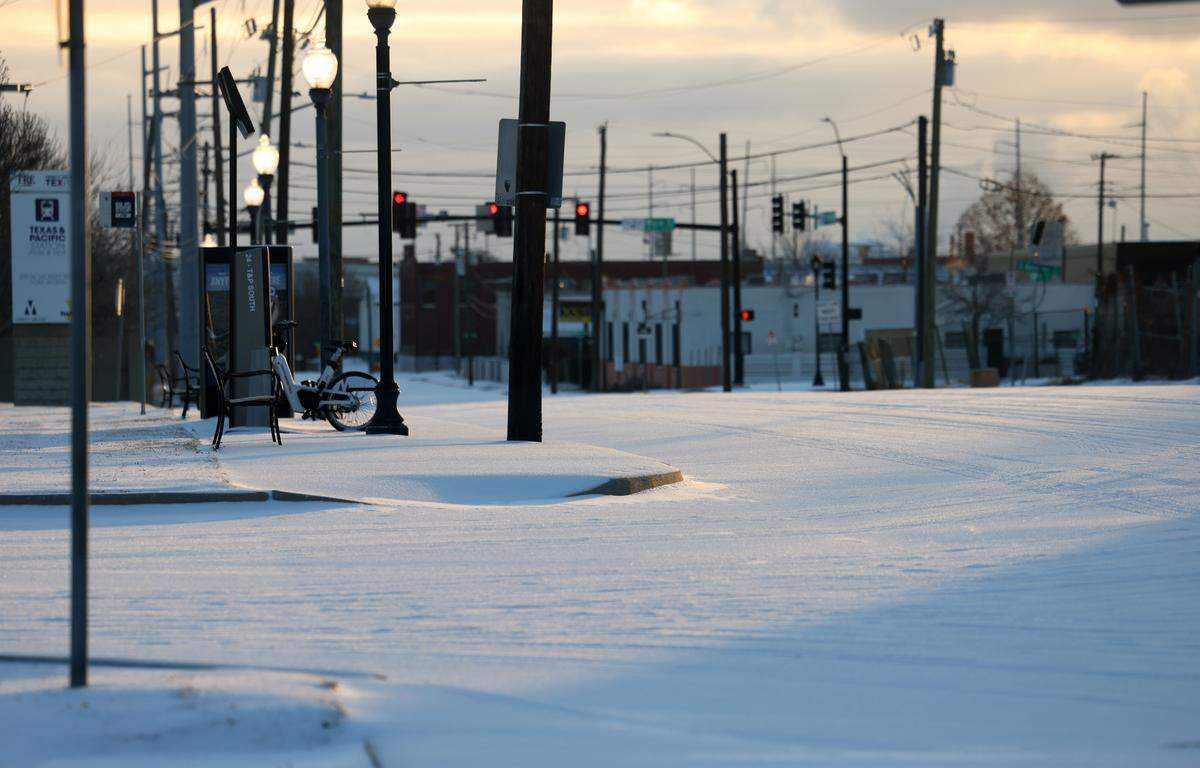
How ERCOT is prepared for the 2026 winter storm
ERCOT foresees no power grid issues during this first winter storm of 2026.
According to a Jan. 21 ERCOT news release, grid conditions are expected to be normal.
To see weather updates regarding the power grid, check ERCOT’s website here.
This story was originally published January 25, 2026 at 1:20 PM.