
Don’t forget: Set your clocks back! Daylight saving time ends this weekend.
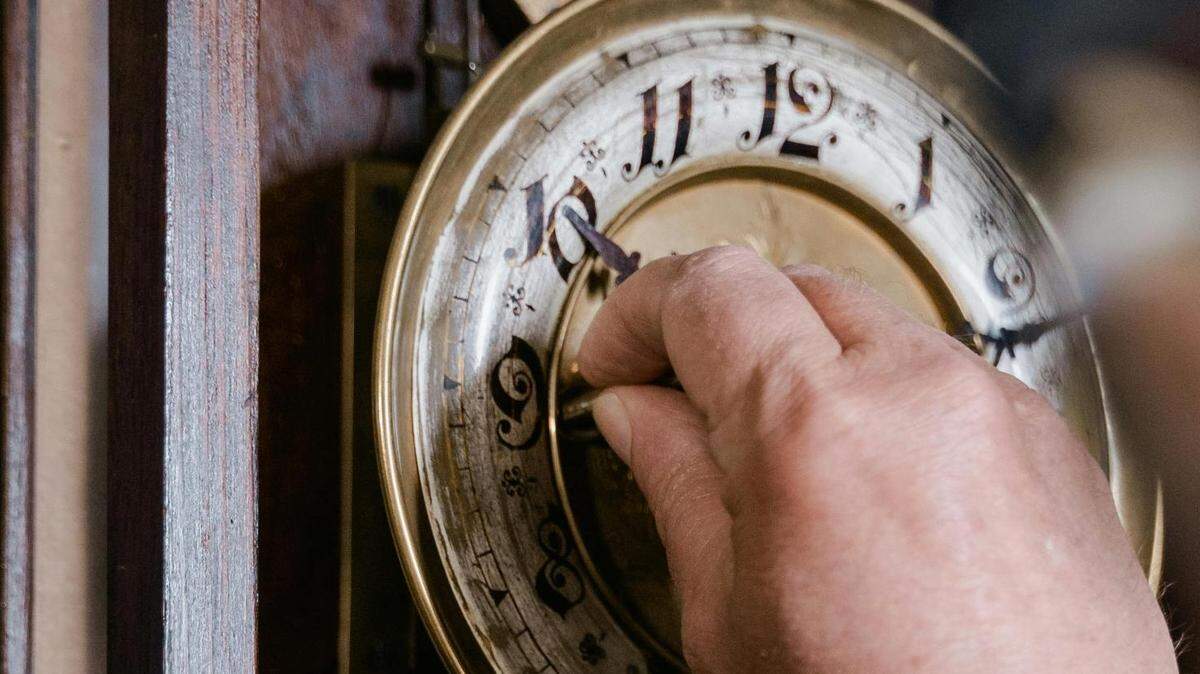
Most people should feel refreshed when they wake up on Sunday, Nov. 2, since they’ll have gained an extra hour of sleep.
The daylight saving time change will take place at 2 a.m., setting the clocks back to 1 a.m.
Daylight saving happens twice a year. The first round of the year happens in March when the clocks “spring forward.” The second round is in November when the clocks “fall back.”
After the fall time changes, the sun will set earlier as well as rise later. According to the Time and Date sunrise/sunset calculator, residents will get about 10-and-a-half hours of daylight — compared to more than 12 hours during the summer.
Here’s what to know about Nov. 2’s daylight saving time change.
When will daylight saving time change take place?
The “fall back” daylight saving time change will take place on Sunday, Nov. 2 at 2 a.m.
That morning, the sun will rise around 6:48 a.m. and then set around 5:37 p.m.
Do you have to change clocks manually after daylight saving time?
Clocks on devices like a smartphone, computer or TV will change automatically.
However, clocks on ovens, microwaves, watches or in your car may need to be set manually.
Could daylight saving time go away?
Daylight saving time has been around since 1918, during World War I. It was created as a wartime measure to extend the workday.
In 2005, legislation was enacted that defined daylight saving time dates. Since then, daylight saving time always begins on the second Sunday of March and ends on the first Sunday of November.
However, some states don’t participate in daylight saving time. Arizona and Hawaii, along with the U.S. territories of American Samoa, Guam, the Northern Mariana Islands, Puerto Rico and the Virgin Islands remain on standard time.
In 2023, federal lawmakers introduced the Sunshine Protection Act, which would “make daylight saving time the new, permanent standard time.” That means no more changing the clock twice a year. But the bill stalled in the House, and a bipartisan version tried to make the same change, but it has yet to advance.
Texas has signed and proposed a permanent daylight saving calendar, but is waiting on federal congressional approval before it becomes effective. Within the last seven years, 18 states have enacted legislation to provide for a permanent daylight saving calendar if Congress approves it.
But for now, be sure and set your clock back an hour on Nov. 2.