Storms, lower temperatures in the mix for North Texas over Labor Day weekend
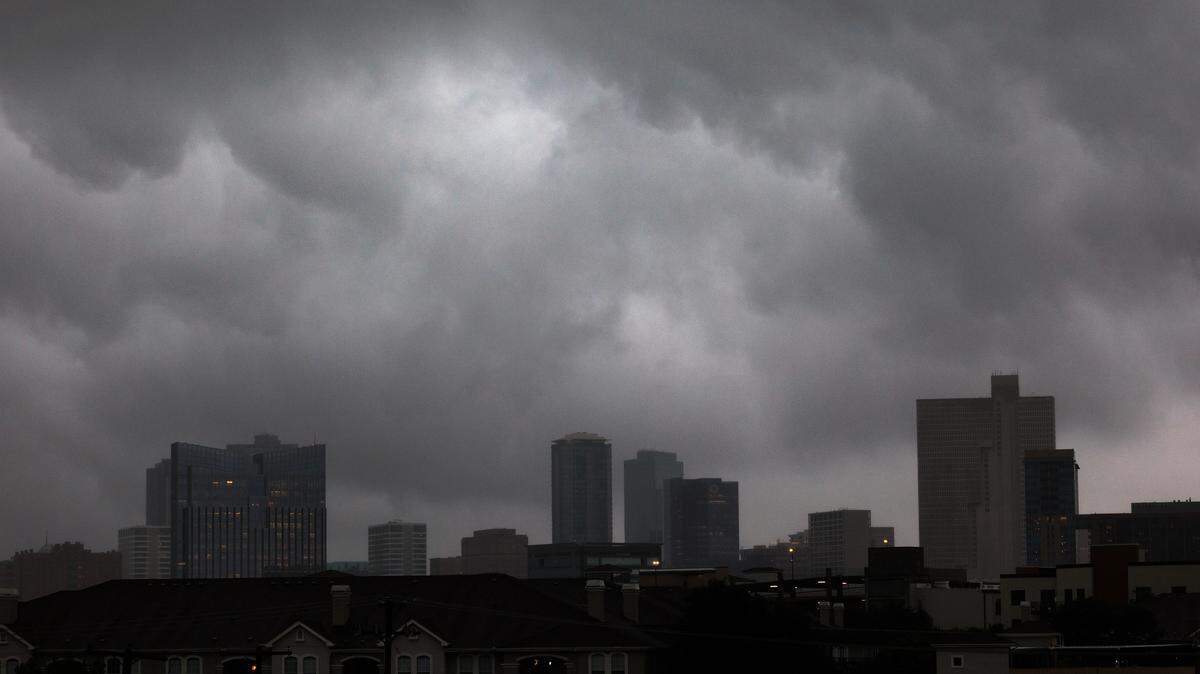
After a hot and humid few weeks in North Texas, August will come to a close with rain chances and cooler temperatures.
Isolated storms are in the mix for the region on Tuesday, Aug. 26, as temperatures dip into the low 90s, according to the National Weather Service Fort Worth. Temperatures will stay in that zone on Wednesday, Aug. 27, as skies remain mostly sunny.
Storm chances (20 percent) return during the afternoon hours on Thursday, Aug. 28, and increase going into the evening (60 percent), per the NWS. Thursday’s high will be in the upper 90s.
Heading into Friday, Aug. 29, storms (50 percent) are in the forecast for much of the day as temperatures dip into the mid-80s. Storm chances will linger over the long Labor Day weekend as temperatures stay in the mid-80s frame.
A cold front arriving late Thursday is the reason for the downshift in temperatures and increase in rain, according to the NWS.
What type of weather is expected in September?
Temperatures are expected to lean above normal in North Texas next month.
The NWS’ Climate Prediction Center released its one month outlook, which is valid for all of September, on Aug. 21. The outlook is predicting a 40-50 percent chance for temperatures to be above normal in the Metroplex and much of Texas next month.
West Texas is shown to have a higher chance (50-60 percent) of having above normal temperatures, while areas around Beaumont have a lower chance (33-40 percent). Precipitation wise, the outlook is predicting a 33-40 percent chance of below normal rainfall in North Texas.
.gif "off14_temp (2).gif")
The normal high for September is 88.6 degrees, according to NWS climate data.
Above-normal temperatures doesn’t always equate to extreme heat, according to the NWS. Instead, above-normal could simply mean temperatures are a few degrees above the normal parameters.
While this is a snapshot of how things are expected to look in the future, subsequent weeks’ and days’ forecast will give a better look at what to expect as the date grows near.
The CPC’s 6-10 day outlook, valid from Aug. 31 to Sept. 4, shows a 50-60 percent chance of below normal temperatures. The 8-14 day outlook, valid from Sept. 2-8, shows a 40-50 percent chance of below normal temperatures.
.gif "814temp.new (5).gif")
When is the first day of fall?
The date varies, but fall always starts in September.
Meteorologists break the seasons into three-month groupings, with the fall season being Sept. 1 to Nov. 30, according to the National Oceanic and Atmospheric Administration.
This method was made to mirror the actual calendar and stay consistent, as each season lasts around 90-92 days.
However, many people will recognize the first day of fall on or around Sept. 22. This year, the autumnal equinox is on Sept. 22 and is recognized as the start of astronomical fall.
The natural rotation of Earth around the sun forms the foundation for the astronomical calendar, according to NOAA. On the astronomical calendar, the four seasons are defined by two solstices and two equinoxes.