The month of March saw more than 200 tornadoes in the U.S., breaking the record with a deadly kickoff to spring.
Texas hasn’t been spared.
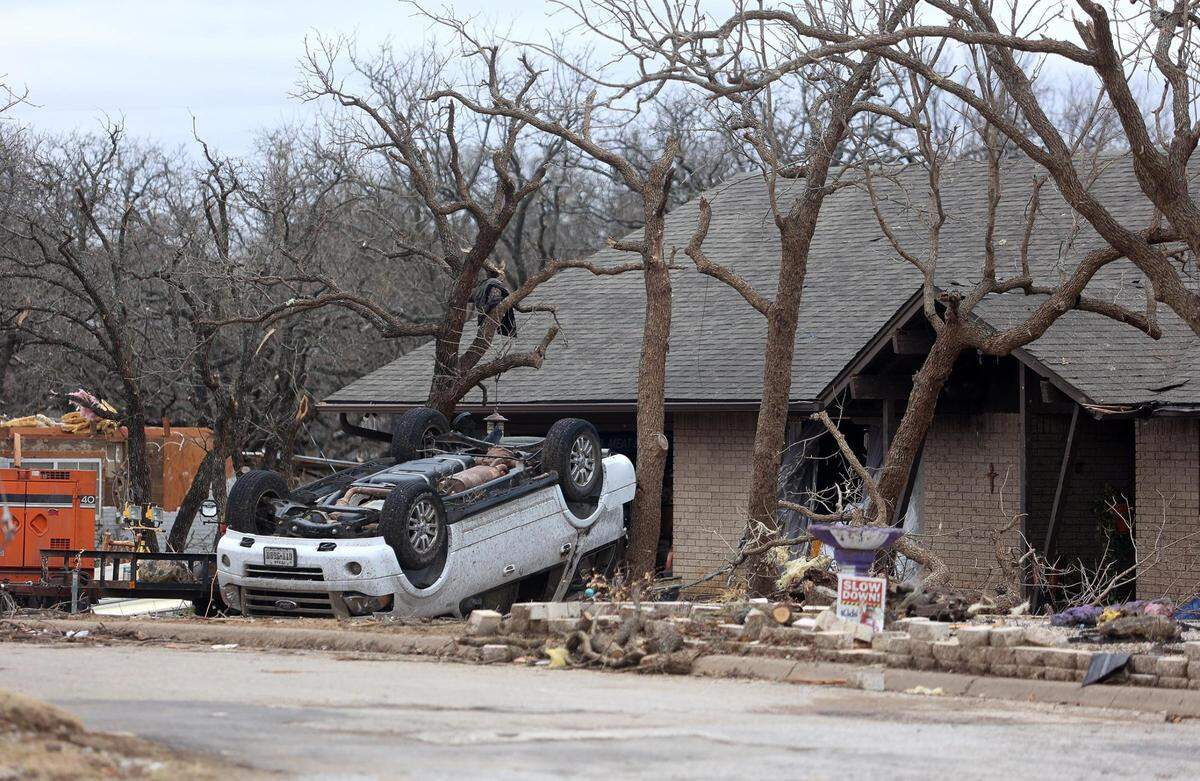
A 73-year-old woman was killed in a Grayson County tornado that also injured at least 10. An EF3 twister ripped through Jacksboro, causing widespread damage. And a 16-year-old named Riley Leon became “Tornado Boy” after he miraculous survived a tornado flipping his Chevy Silverado.
As April arrived, another confirmed tornado was near Alvarado, south of Fort Worth.
And tornado season only has just begun.
Is this a sign that we’re in for a bad spring and summer in Texas?
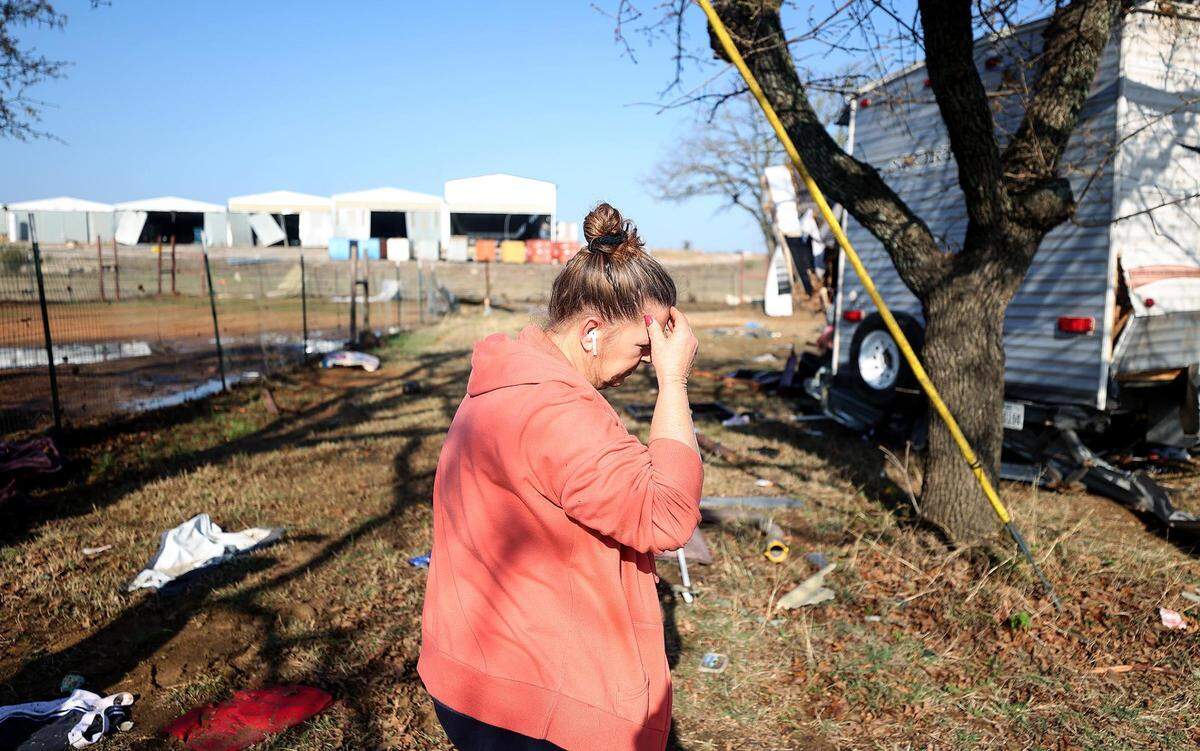
Amber Zeleny talks on the phone with her insurance agent on April 5 after a tornado damaged her Johnson County home and injured her husband. Amanda McCoy amccoy@star-telegram.com
Why we may see more tornadoes than usual in Texas
In the last few winter cycles since 2020, La Nina — the cooler weather pattern that occurs in the Pacific Ocean — has been prevalent. In some cases when La Nina occurs in the winter, North Texas can see more tornadic activity and hail.
After 2021 was capped off with a string of “ridiculously active” storms in December, some meteorologists predicted that more tornadoes could be produced this year than in recent memory, according to AccuWeather. One of the worst outbreaks in history was Dec. 10-11 from northeast Texas through Kentucky and Ohio. At least 87 people died in 21 tornadoes.
Texas has entered tornado season in 2022 with several storms causing severe damage across multiple counties.
Tornado alley is a term used by some to describe several centrally located states, including Texas, that are said to have a higher chance of tornadoes.
But “tornado alley” is not a well-defined term, says Harold Brooks, a senior research scientist with the National Severe Storms Laboratory at the National Oceanic and Atmospheric Administration.
A few of the states included by some in tornado alley include Texas, Oklahoma, Kansas, Nebraska, Colorado and South Dakota.
There’s no period of record that proves the Plains area produces more than the Southeast, and tornadoes can occur anywhere in the country, Brooks said.
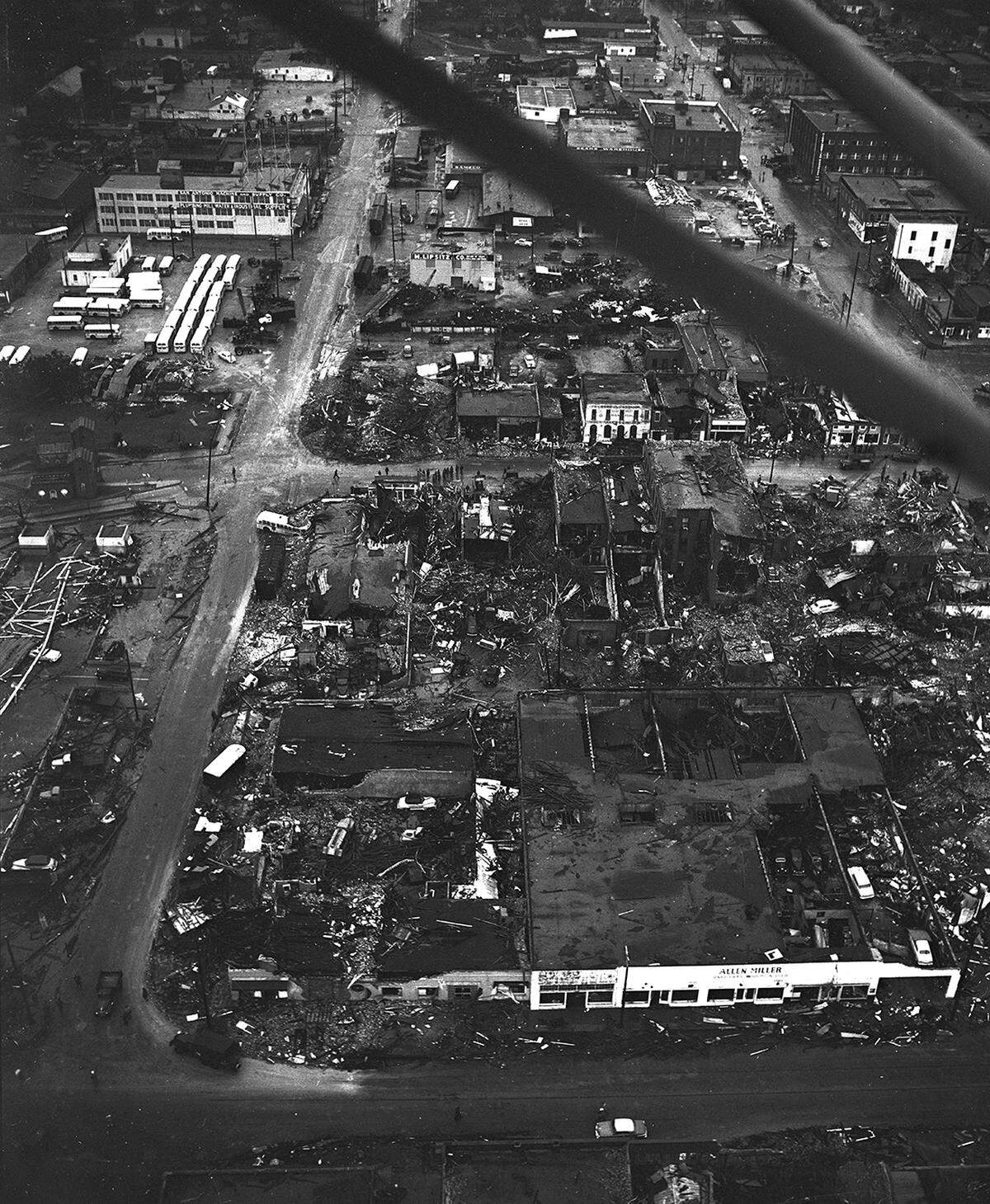
Downtown Waco after the 1953 tornado. At upper left, buses are parked at the Waco Transit Co. The road running from left to right at center of photo is the business route, U. S. Highway 81. Fort Worth Star-Telegram Collection/UT Arlington Special Collections
With severe weather season in Texas being on it’s own timetable, it’s difficult to create an outlook, said Jennifer Dunn, a warning coordination meteorologist at the National Weather Service’s Fort Worth office.
Since tornado season runs from mid-March to early June, data from the past few months may not not apply.
Despite La Nina, spring 2021 actually showed a dip in tornadic activity in North Texas. But we did see more reported hail, Dunn added.
Regardless of what kind of severe weather hits the Metroplex, Dunn stresses that it’s coming.
“This is our severe weather season,” Dunn said. “It’s not a matter of will we get it, it’s when. We will get it, and we want people to be prepared for that.”
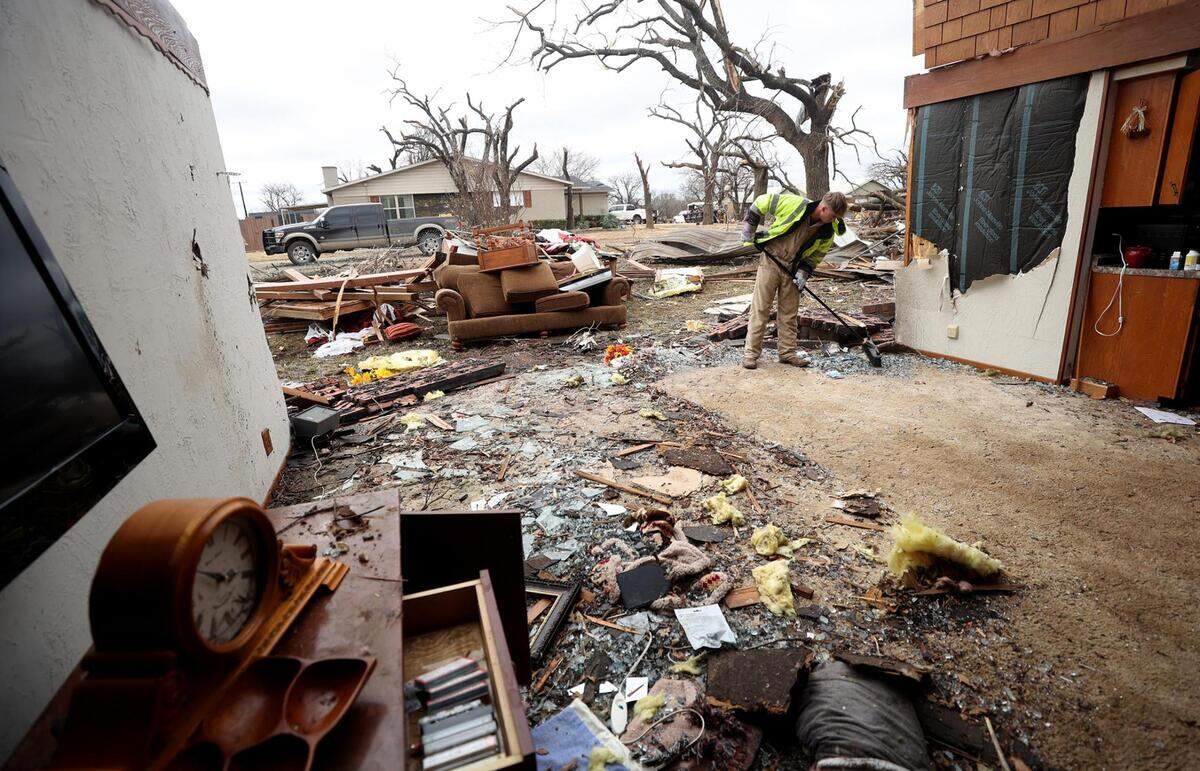
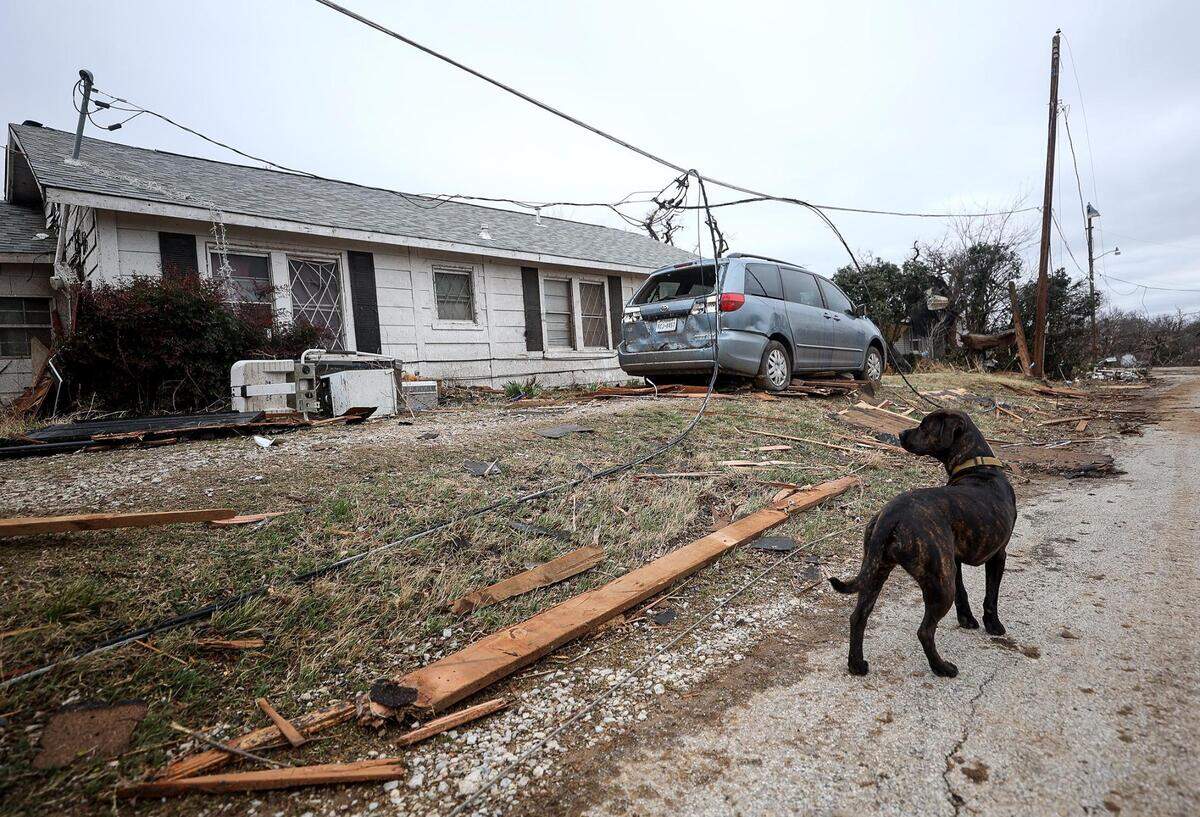
Damaged homes line North 9th Street in Jacksboro on March 22, a day after a tornado ripped through town. Amanda McCoy amccoy@star-telegram.com
What causes severe weather season?
Spring’s warmer temperatures bring instability, wind and moisture — all contributing to severe weather, Dunn said.
Warmer air helps cause instability in the atmosphere and weakens the polar jet stream. With those elements at play, mid-level systems appear and create an active weather pattern.
Cold fronts during the winter will move along the coast, shutting off the Gulf moisture to North Texas, Dunn said. With spring, there are fewer cold fronts and more opportunity for southern winds to bring that moisture back up to North Texas.
Combine those elements, and it’s severe weather season.
“With those systems as they become stronger, you get more wind shear and it all just plays out,” Dunn said.
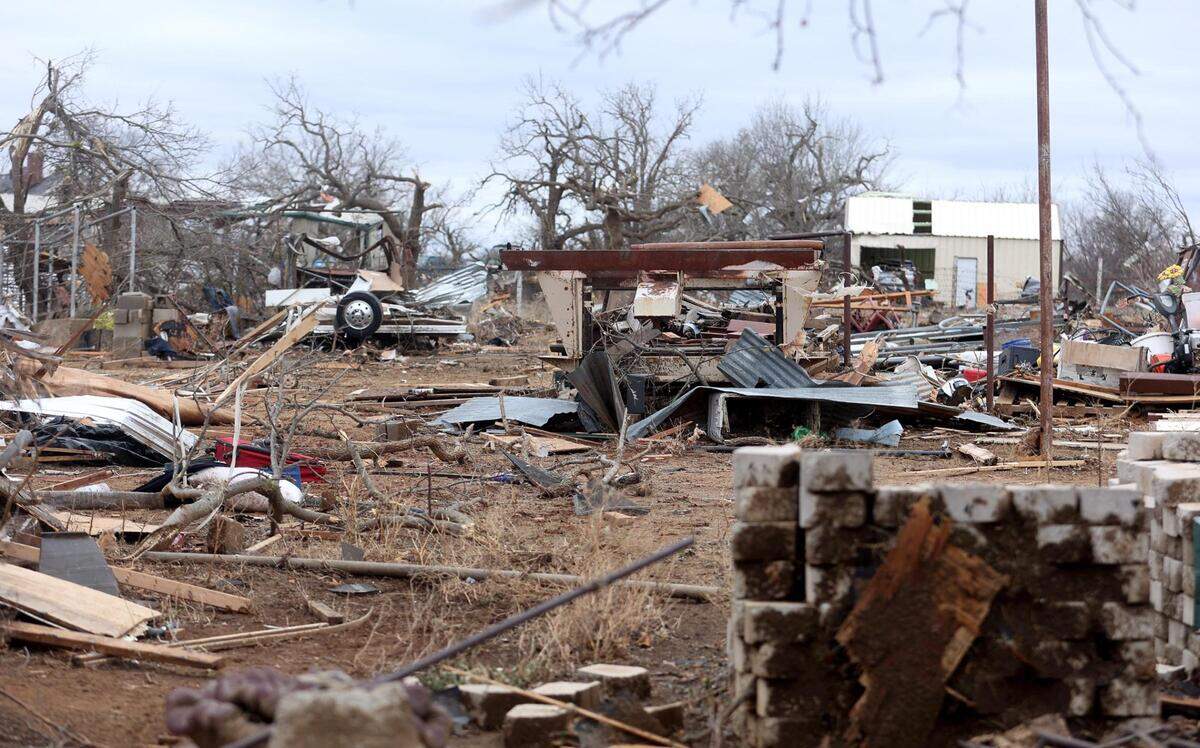
Parts of Jacksboro were heavily damaged by a March 21 tornado. Amanda McCoy amccoy@star-telegram.com
How are tornado threats predicted?
Tracking a tornado starts with forecasting several days in advance, Brooks said.
The National Weather Service’s storm prediction center will look for certain tornado-forming ingredients. Those ingredients are warm moist air near the ground; dry, relatively cool air above; and a dry line or boundary to lift the warm air, Brooks said.
When those ingredients combine, it creates a thunderstorm. Adding horizontal winds and you could see a tornado.
“If you get a thunderstorm to form in that kind of environment, the whole thunderstorm will rotate, which means it’s more likely to produce a tornado,” he said.
A dog walks down North 9th Street where homes where damaged in Jacksboro by the March 21 tornado. Amanda McCoy amccoy@star-telegram.com
Can tornadoes be tracked?
The short answer is yes, but not always the exact location of where a tornado will hit.
Meteorologists can track a tornado’s elements and most of the time identify a region where one could potentially form a few days in advance, Brooks said.
Finding the exact location of where a tornado will touch down will be determined a few hours leading up to the event, as more data is gathered and weather conditions change.
Once forecast, the next step is looking to see if the storm is rotating and tracking velocity, Brooks said. Tracking velocity and rainfall patterns within the storm help indicate if a tornado is likely to form.
By checking with spotters on the ground, more information can be collected and reinforced from what the radar is showing, Brooks said. Spotters can answer specific questions at the scene, since the radar is looking above and can’t see what’s going on at ground level.
Storm Reports
This map contains continuously updated storm reports and damage from the National Weather Service for the past 48 hours. Reports include tornado, wind storm and hail storm reports. The map also includes tornado reports for the past week and recent rainfall accumulations. Sources: National Oceanic and Atmospheric Administration (NOAA), Esri.
Brayden Garcia is a service journalism reporter at the Fort Worth Star-Telegram. He is part of a team of local journalists who answer reader questions and write about life in North Texas. Brayden mainly writes about weather and all things Taylor Sheridan-related.