Do you know what to do when a tornado strikes Fort Worth? Here’s how to stay safe
When severe storms strike, staying informed and being prepared can save your life. These tips from the National Weather Service and the city of Fort Worth can help keep you safe during thunderstorms, tornadoes or flooding.
What’s the difference between a weather watch and warning?
According to the National Weather Service, a tornado watch means a tornado is possible, and a tornado warning means a tornado has been spotted nearby.
During a tornado watch, make an emergency plan, check supplies and be ready to act if a tornado approaches. Watches are issued by the Storm Prediction Center for counties where tornadoes may occur. The watch area is typically large, covering numerous counties or even states.
If a tornado has been sighted or shows up on weather radar, a tornado warning is implemented. This means there is “imminent danger to life and property,” according to the NWS website.
Warnings are issued by your local forecast office and typically covers a much smaller area (around the size of a city or small county) that may be impacted by a tornado.
What are the different flood alerts?
There are four different types of flooding alerts: Flash flood warnings, flood warnings, flood watches and flood advisory. They all indicate varying degrees of flooding threats.
A flash flood warning is the most severe alert. This is issued when a violent flood of water, which can take minutes to hours to develop, is imminent or happening. If you get a flash flood warning for your area, you should immediately move to high ground.
Flood warnings mean flooding is already happening or is incoming.
A flood watch means you should be alert and aware to the possibility of flooding. This is issued when conditions are favorable for flooding, such as heavy rainfall and flooding is a possibility.
A flood advisory is the lowest threat level of flooding alerts. This is issued when rain or other flooding events are in the forecast, but flooding is not expected to be bad enough to become a flood warning.
What to know about Fort Worth’s emergency sirens
The City of Fort Worth’s sirens may be activated for any kind of emergency — not just severe weather. Most commonly, though, the sirens will sound in the case of a tornado. The sirens are also tested at around 11:50 a.m. on the first Wednesday of every month.
The Fort Worth outdoor warning system consists of 153 sirens located throughout the city, according to the City of Fort Worth’s website. Sirens are designed to serve as a warning for people outside and indicates you should seek study shelter immediately. If you’re inside, make your way to an interior room away from windows and turn on a local radio or TV station for information.
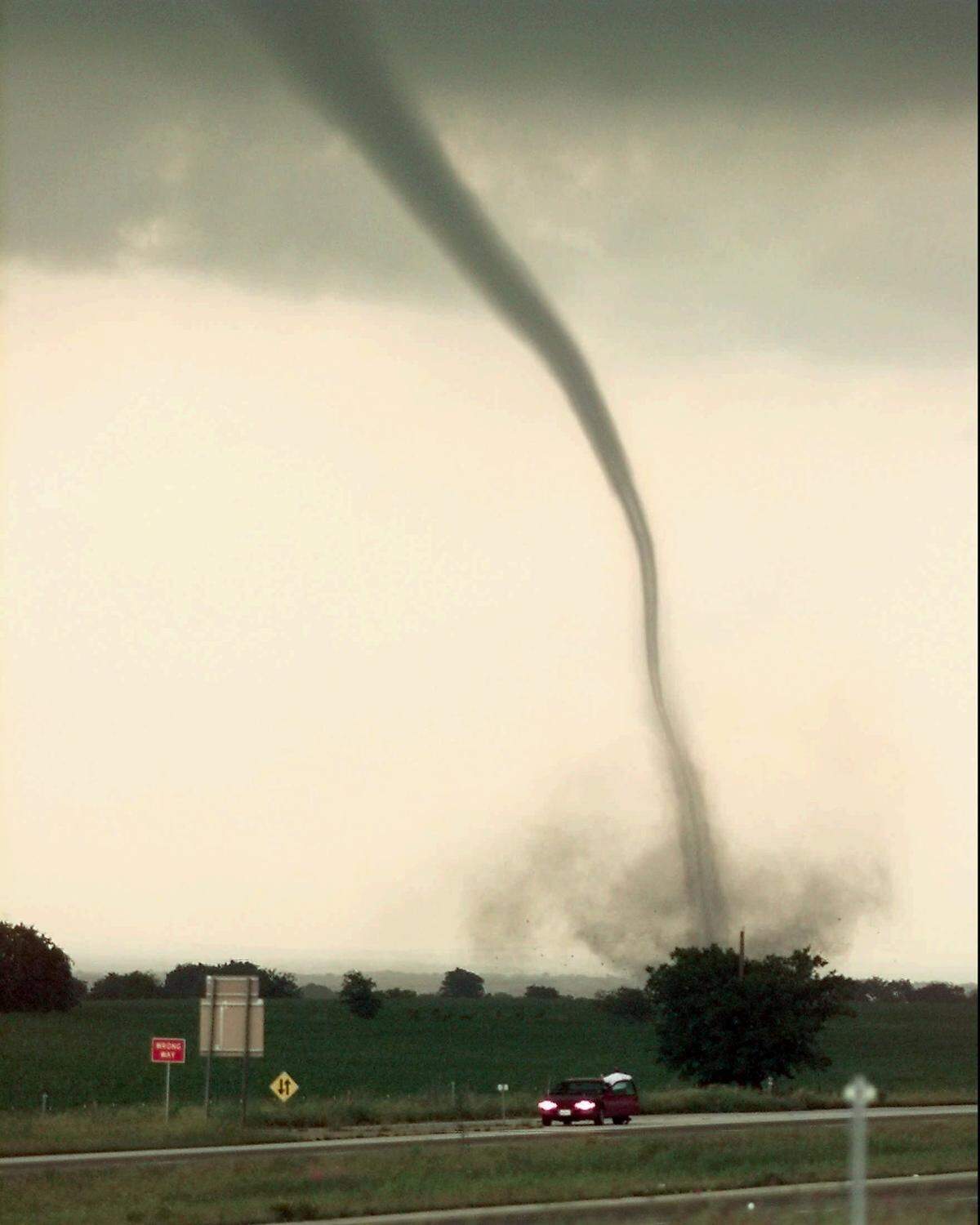
How to find shelter during a tornado
According to the National Weather Service, acting quickly is key to staying safe during a tornado. The NWS site offers these tips of where and how to seek shelter during a tornado.
- Stay weather-ready: Continue to listen to local news or a NOAA Weather Radio to stay updated about tornado watches and warnings.
- At your house: If you are in a tornado warning, go to your basement, safe room or an interior room away from windows. Don’t forget pets if time allows.
- At your workplace or school: Follow your tornado drill and proceed to your tornado shelter location quickly and calmly. Stay away from windows and do not go to large open rooms such as cafeterias, gymnasiums, or auditoriums.
- Outside: Seek shelter inside a sturdy building immediately if a tornado is approaching. Sheds and storage facilities are not safe. Neither is a mobile home or tent. If you have time, get to a safe building.
- In a vehicle: Being in a vehicle during a tornado is not safe. The best course of action is to drive to the closest shelter. If you are unable to make it to a safe shelter, either get down in your car and cover your head, or abandon your car and seek shelter in a low lying area such as a ditch or ravine.
What to know if you’re caught in flooding
According to the NWS, water levels and the flow of water can change quickly during a flood. Floods are usually caused by heavy or prolonged rainfall in one area. Flooding can also be caused by dam breakage or an object blocking the flow of water in a river or stream.
During flooding or flood alerts, monitor local weather news, avoid flood water at all costs and evacuate immediately when water starts to rise. The NWS offers these tips for staying safe during a flood:
- Get to Higher Ground: If you live in a flood prone area or are camping in a low lying area, get to higher ground immediately.
- Obey Evacuation Orders: If told to evacuate, do so immediately. Lock your home when you leave. If you have time, disconnect utilities and appliances.
- Practice Electrical Safety: Don’t go into a basement, or any room, if water covers the electrical outlets or if cords are submerged. If you see sparks or hear buzzing, crackling, snapping or popping noises, get out. Stay out of water that may have electricity in it.
- Avoid Flood Waters: Don’t walk through flood waters. It only takes 6 inches of moving water to knock you off your feet. If you are trapped by moving water, move to the highest possible point and call 911 if possible.
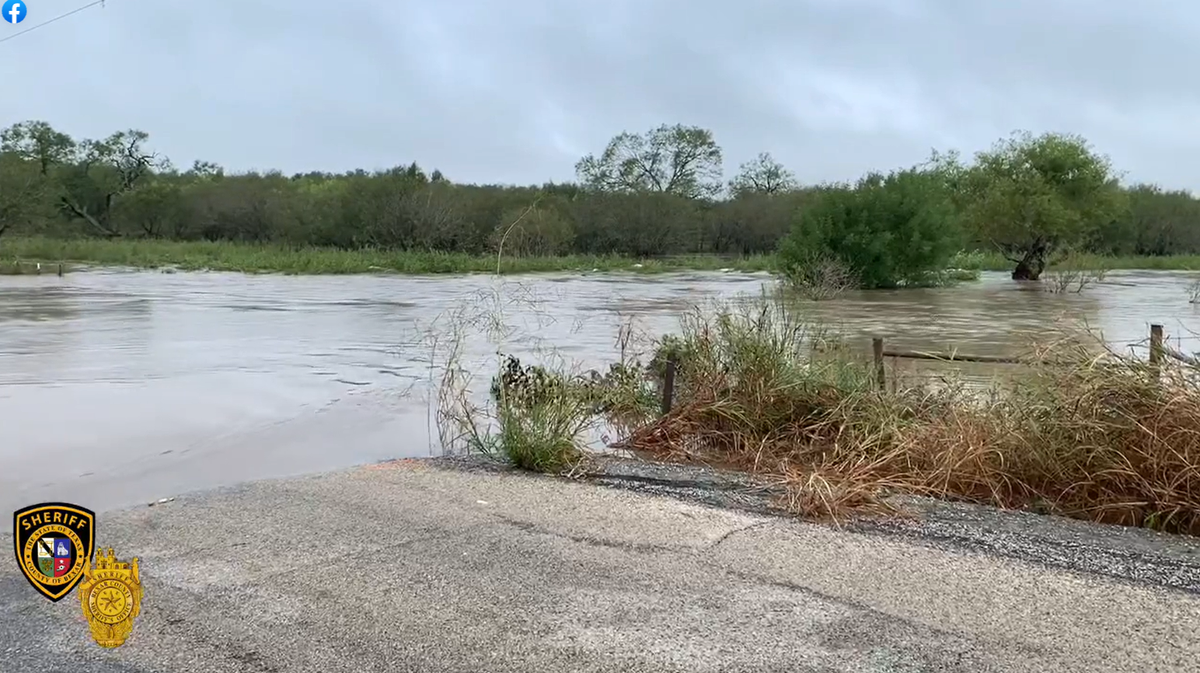
During heavy rain, flooding is possible, especially in low-lying and flood-prone areas. Never drive through water on the road, even if it does not appear to be deep. According to the Centers for Disease Control and Prevention, over half of all flood-related drownings happen when some drives a car into flood water. The next highest percentage of flood-related deaths is due to walking into or near flood waters.
“People underestimate the force and power of water,” the NWS website says about flooding.
It takes just 12 inches of rushing water to carry away most cars, according to the NWS.
How to avoid lightning strikes
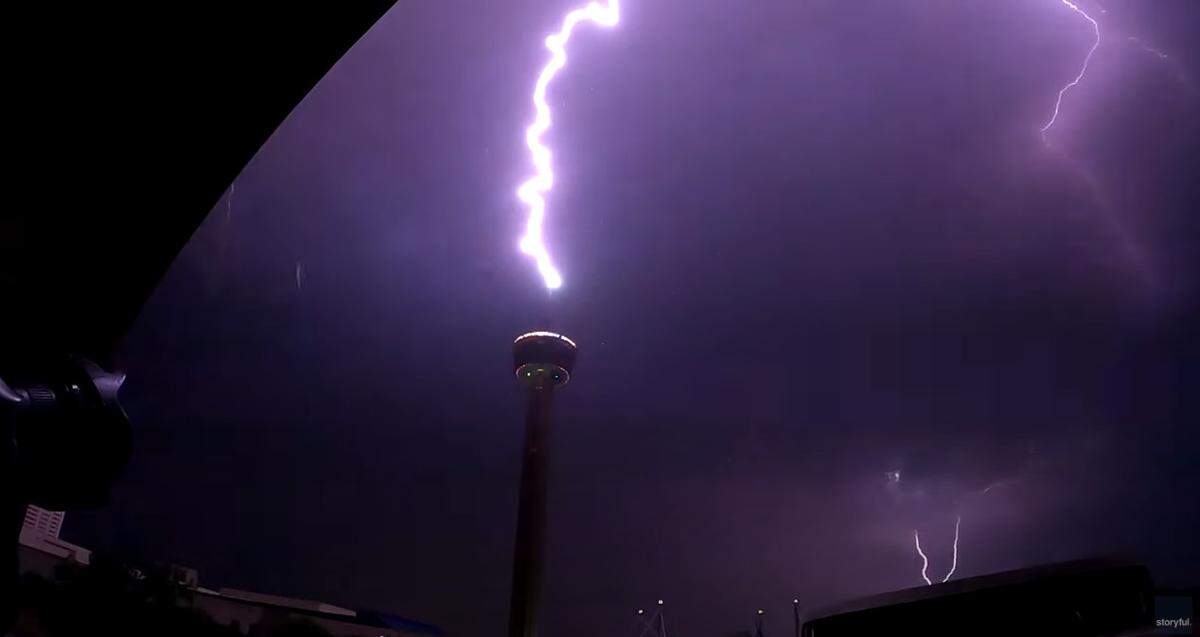
The NWS says no outdoor space is safe from the threat of lightning during a thunderstorm. If there is thunder in an area, lightning is possible, and you should get indoors as quickly as possible.
If getting indoors is not possible, these tips can slightly lessen the risk or being struck by lightning, but the NWS emphasizes that nowhere is safe outdoors when lightning is in the area.
- Avoid open fields, the top of a hill or a ridge top.
- Stay away from tall, isolated trees or other tall objects. If you are in a forest, stay near a lower stand of trees.
- If you are in a group, spread out to avoid the current traveling between group members.
- If you are camping in an open area, set up camp in a valley, ravine or other low area. Remember, a tent offers no protection from lighting.
- Stay away from water, wet items and metal objects. Water and metal do not attract lightning but they are excellent conductors of electricity.
Need more help? Use these resources
The Fort Worth website has a list of resources for severe weather and other emergencies. Some of them include:
- How to register for the city’s emergency alert system, Fort Worth Texas Alerts.
- The Special Needs Assistance Program, an emergency preparedness database available to any resident of North Central Texas who may have an access or functional need that would require assistance before, during or after an emergency or local disaster.
- The Accessible Hazard Alert System, which will send accessible alert messages to registered residents who are deaf, blind, dard of hearing before, during, and after an emergency or disaster in Fort Worth.
This story was originally published March 21, 2022 at 12:21 PM.