SNAP benefits are changing in Texas. See what you can, can’t buy as of April 1
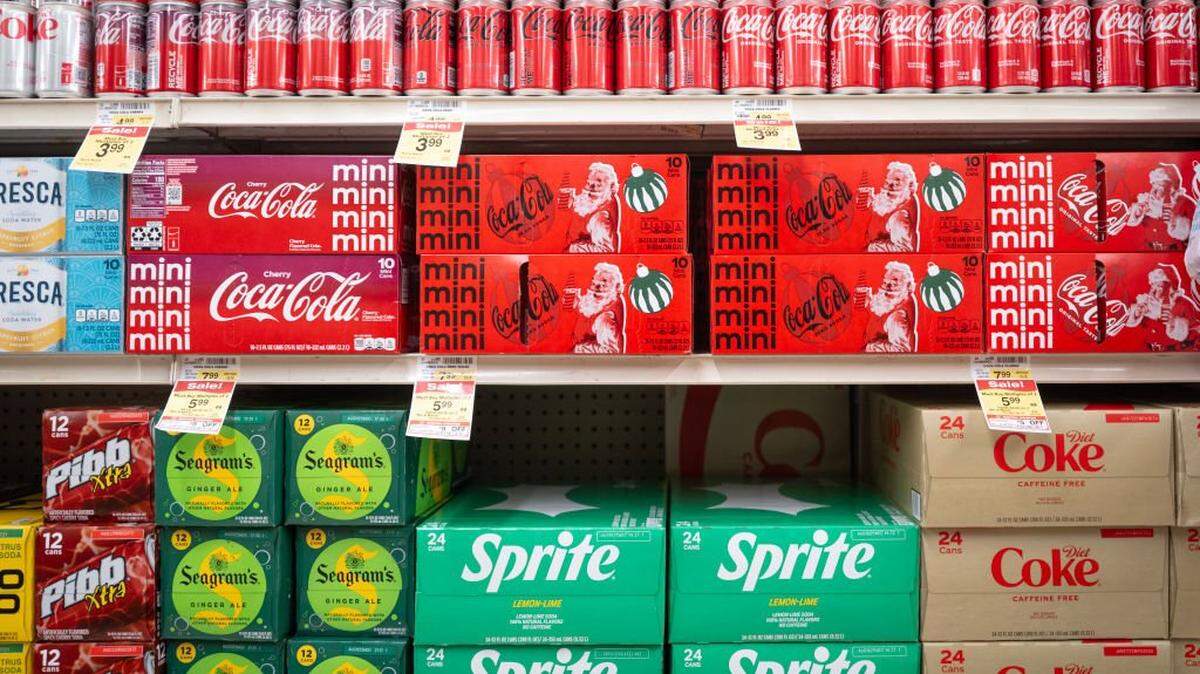
Texas will become the first state in the country to block certain junk food purchases with SNAP benefits starting April 1.
Under a new law, some items, including candy and certain sugary drinks, will no longer qualify through the program at grocery stores statewide.
“Texas is leading the way in aligning SNAP benefits with healthier food options,” Gov. Greg Abbott said in a news release. “By implementing these changes, we encourage better nutrition and ensure this program helps families access nutritional food.”
Because the rules depend on how products are classified, some items may not be approved the way you expect at checkout.
Here’s what to know.
What can I no longer buy with SNAP benefits in Texas?
Under the new restrictions, products like candy bars, gum and taffy can no longer be purchased with SNAP benefits.
That also includes snacks coated in chocolate, yogurt or sugar — such as candied nuts, raisins and fruit.
Drinks with five grams or more of added sugar or any amount of artificial sweetener are no longer eligible, which can include sodas, energy drinks and similar beverages.
Drinks made with less than 50% fruit or vegetable juice are also no longer allowed under the new rules.
What can I still buy with SNAP benefits in Texas?
You can still use SNAP benefits to buy most everyday groceries, including fruits and vegetables, meat, poultry, fish and dairy products like milk, cheese and eggs.
Pantry staples such as bread, cereal, rice and pasta are also still eligible, along with canned and frozen foods.
Some beverages will still qualify, including drinks made with more than 50% fruit or vegetable juice and beverages without added sugar or artificial sweeteners.
You can also continue use SNAP to buy seeds and plants that produce food for your household.
Why is Texas making this change to SNAP benefits?
The effort stems from Senate Bill 379 and a federally approved waiver that allows Texas to test new limits on what can be purchased with benefits.
Officials have also tied the effort to a broader push to promote nutrition and reduce diet-related health issues, part of what has been described as the “Make America Healthy Again” initiative.
The waiver allows the state to track how the changes affect SNAP recipients and retailers over time.
“Taxpayer dollars will no longer be used to fund chronic health problems in our state,” Abbott said. “The new SNAP guidelines will ensure taxpayer dollars are used to purchase foods that provide real nutritional value.”