Can Texas emergency rooms refuse care if you don’t have insurance? What to know
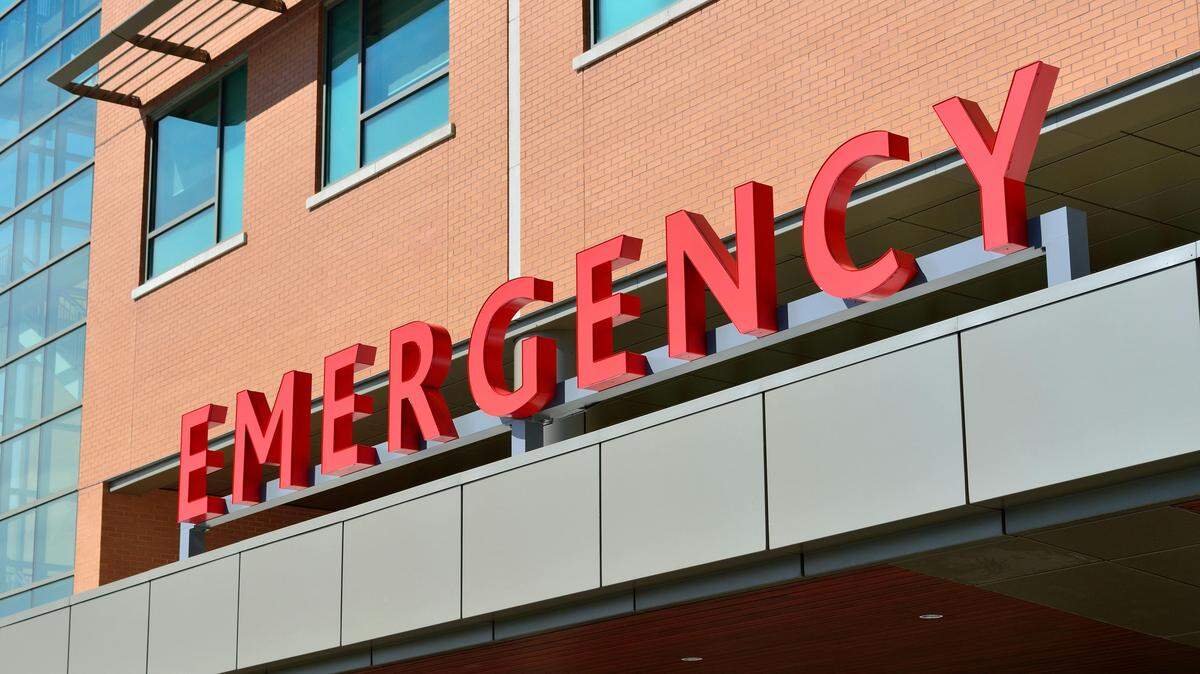
An emergency can hit when you least expect it — chest pain, a sudden accident or a child with a high fever.
With school starting and families focused on back-to-school expenses, the cost of an ER visit may feel just as scary as the health scare itself.
For many Texans without health insurance, the first instinct is still to rush to the ER — but the fear of how much the bill might be can overshadow the worry about your health.
Some even wonder: could a hospital turn me away altogether?
Here’s what to know about your rights and protections if you find yourself in need of emergency care in Texas.
What rights do I have without insurance?
Federal law protects your right to emergency treatment, no matter your insurance status.
The Emergency Medical Treatment and Labor Act (EMTLA) requires hospitals that accept Medicare funding (which includes almost all U.S. hospitals) to treat anyone with a true emergency.
That means an ER must:
- Give you a medical screening exam by a qualified professional
- Treat your condition until you are stabilized
- Or transfer you to another hospital that has the resources to treat you
Hospitals can ask if you have insurance when you arrive, but they can’t delay your exam or care because of it.
What happens to the bill?
If you don’t have insurance, you’re not without options. The federal No Surprises Act gives uninsured patients the right to request a Good Faith Estimate of costs before non-emergency care is scheduled.
That estimate should include related services such as lab tests or prescriptions. And if the final bill is significantly higher than the estimate, you may be able to dispute the charges.
Can I still get a surprise bill?
Texas also has its own laws aimed at protecting patients from surprise balance bills. These rules apply to people with state-regulated insurance plans and ban most surprise bills in emergencies, for in-network hospital care, and for certain lab or imaging services.
Ground ambulance services are also covered under state law if your plan is regulated by the Texas Department of Insurance. You can check your card for “DOI” or “TDI” to see if this applies to you.
You may still owe your copay, deductible, or coinsurance, but those aren’t considered “surprise bills” since they’re part of your plan.
What if I was denied care?
If you believe a hospital emergency department violated your EMTALA rights, you can file a complaint.
Doing so isn’t the same as filing a lawsuit, but it’s a way to hold hospitals accountable and make sure they’re following the law.
Here’s what to know if you need to take that step:
- Be prepared: You’ll need details like the hospital name, what happened and when. You can choose to include your name or file anonymously.
- Act quickly: Filing a complaint as soon as possible makes it easier to keep track of the facts, and it could help if you later decide to take legal action on your own.
- Where to file: You can either contact the State Survey Agency in the state where the hospital is located or use the online federal form provided by the Centers for Medicare and Medicaid Services (CMS).
Once a complaint is filed, the state and federal government may investigate. The process can take weeks or months depending on the situation, but if investigators find EMTALA was violated, the hospital could face consequences.
If you provide your contact information, you’ll also receive a summary of the investigation.
This story was originally published August 26, 2025 at 2:59 PM.