
Where alligators are found in North Texas, and what to do if you see one
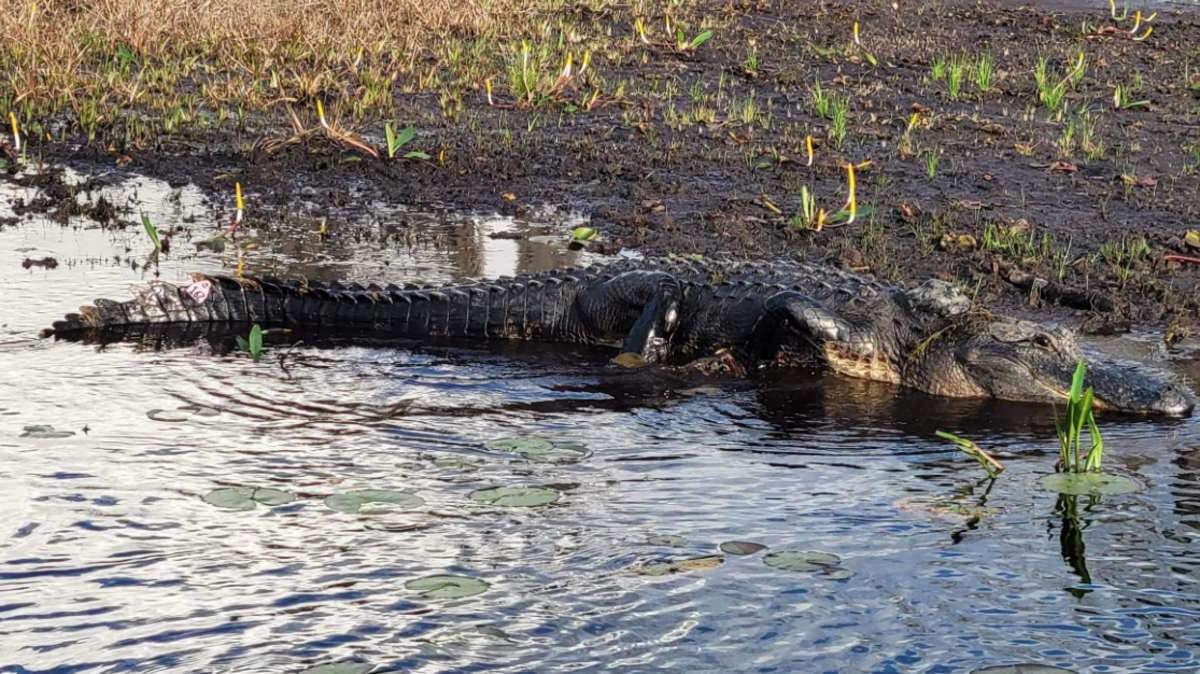
What lives in North Texas, has 80 sharp chompers and can hold its breath for almost 45 minutes?
It’s not a fish or a turtle. It’s the American alligator.
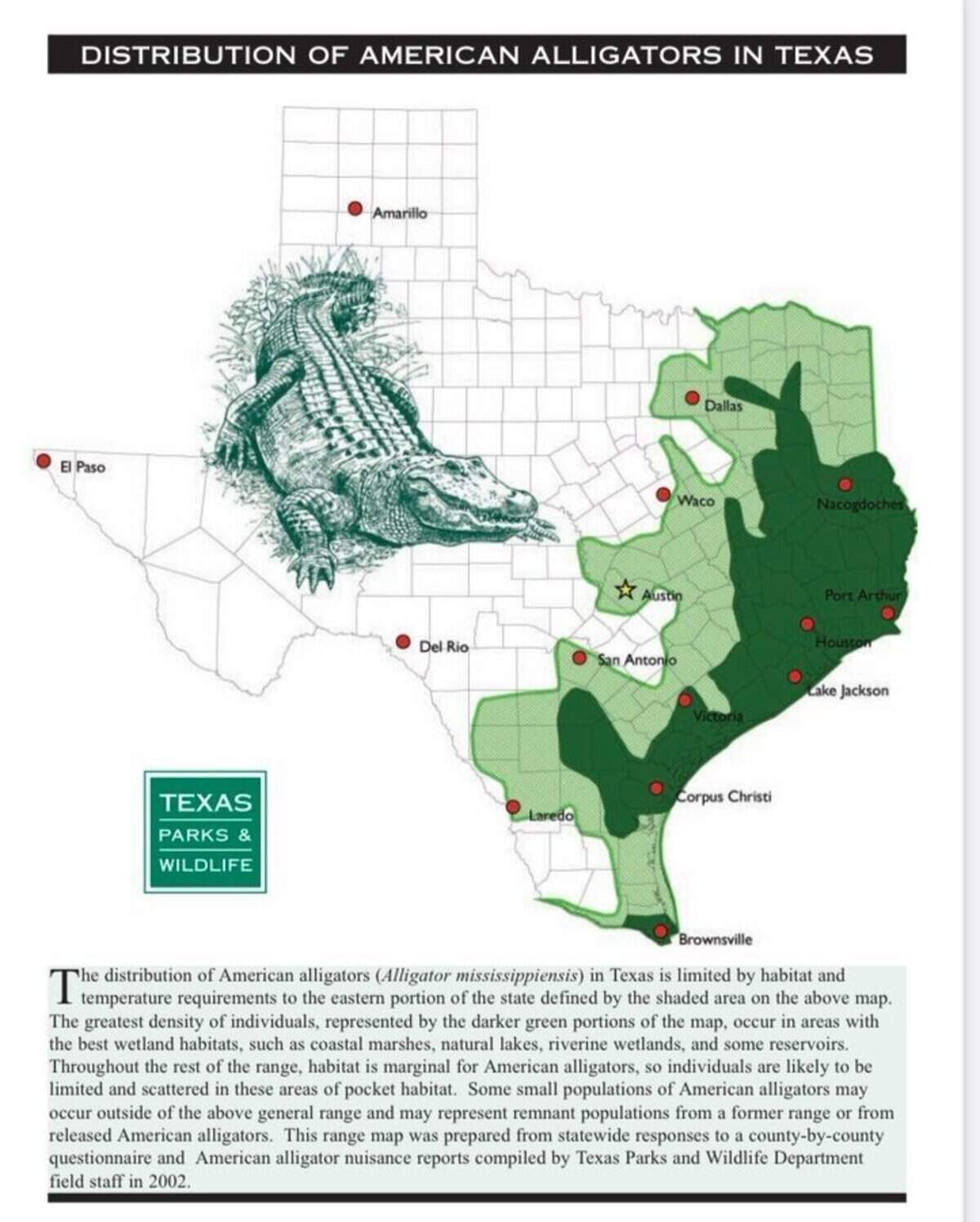
These large reptiles are not as scary as they sound. In fact, the American alligator is the least aggressive of all the crocodilian species, according to Texas A&M Agrilife. They are most populated in East and South Texas. So, while sightings in North Texas are rare, they are still present.
Now that summer is here, keep your eye out. The American alligator is really only spotted in late spring through fall while the weather is warm — they go dormant when temperatures are 60 degrees or colder.
Though alligator attacks are extremely rare, we do share marshes and swamps with the mega-lizards.
Here’s what you should know about American alligators in North Texas, and the Dallas-Fort Worth area.
What’s the difference between alligators and crocodiles?
There are many differences between alligators and crocodiles. The most defining factor here in Texas is that crocodiles do not live in Texas, according to Texas Parks and Wildlife.
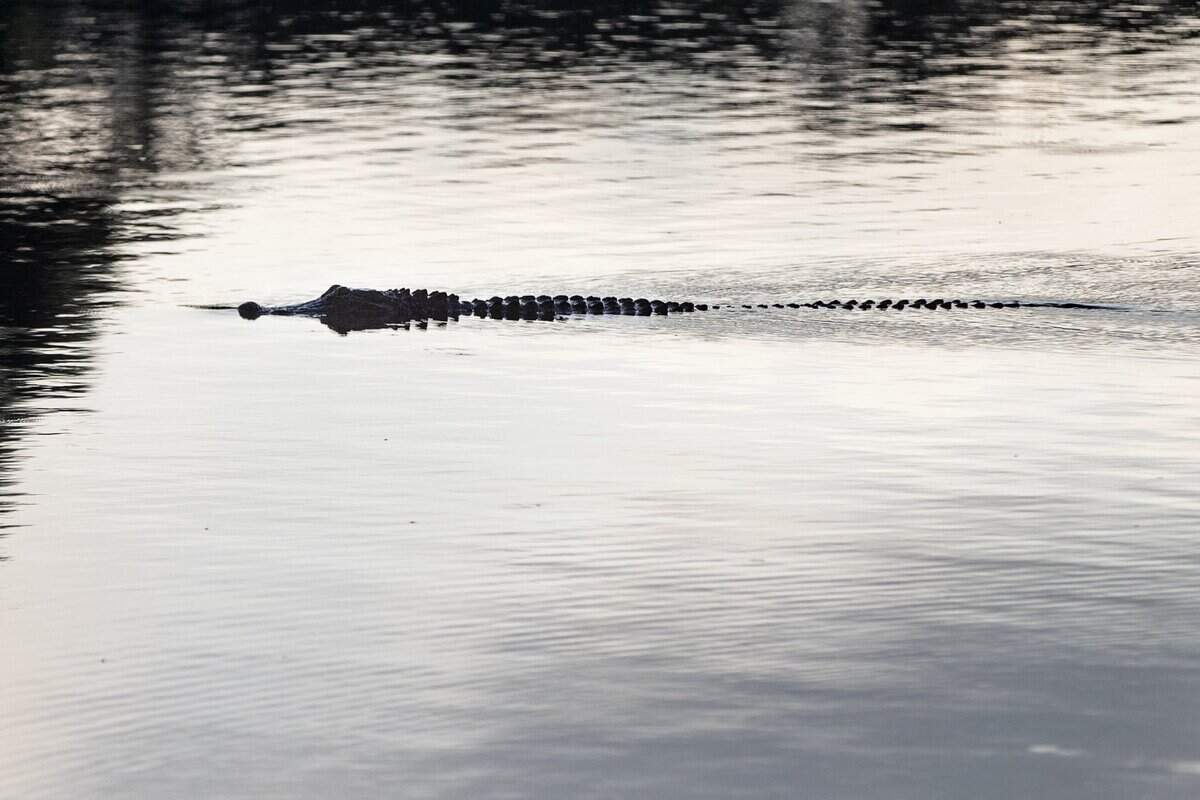
Alligators are grayish-black in color. Female alligators grow to about nine feet long, while males can get up to 14 feet.
They only mate once a year during the spring breeding season, and then the females lay their eggs in late June and July. It only takes two months for the eggs to hatch.
Alligators only eat one to two times a week. There are no molars within their 80 teeth, so gators swallow most of their food whole. Their most active feeding hours are during dusk and dawn.
Per Texas A&M, alligators use their keen sense of smell, sight and hearing to stalk their prey. They are exceptionally sneaky.
TPWD says there has never been a fatality from an alligator in Texas. In fact, “alligators don’t normally eat people. Since they have been isolated from humans for all but about five or six thousand years, they don’t really understand we’re on the menu, unless we teach them,” TPWD said.
Where do alligators live?
According to TPWD, alligators in Texas live pretty much anywhere there is water. In North Texas, they are most commonly found in freshwater lakes and rivers.
In D-FW, alligators have been spotted in the Trinity River watershed region. Specific sightings also include Lake Worth and Eagle Mountain Lake, according to the City of Fort Worth. During the summer of 2024, the City of Coppell issued an alligator warning due to sightings along Denton Creek.
What to do if you run into an alligator
If you run into an alligator, TPWD recommends the following:
Refrain from calling TPWD if the alligator is not approaching humans or posing an obvious threat. Simply seeing an alligator does not mean it is a nuisance.
If you hear an alligator hissing, that means you are too close.
“Never make the mistake of thinking that an alligator is slow and lethargic. Alligators are extremely quick and agile and will defend themselves when cornered,” according to TPWD. However, if you see one, back away slowly because it is rare for gators to chase humans.
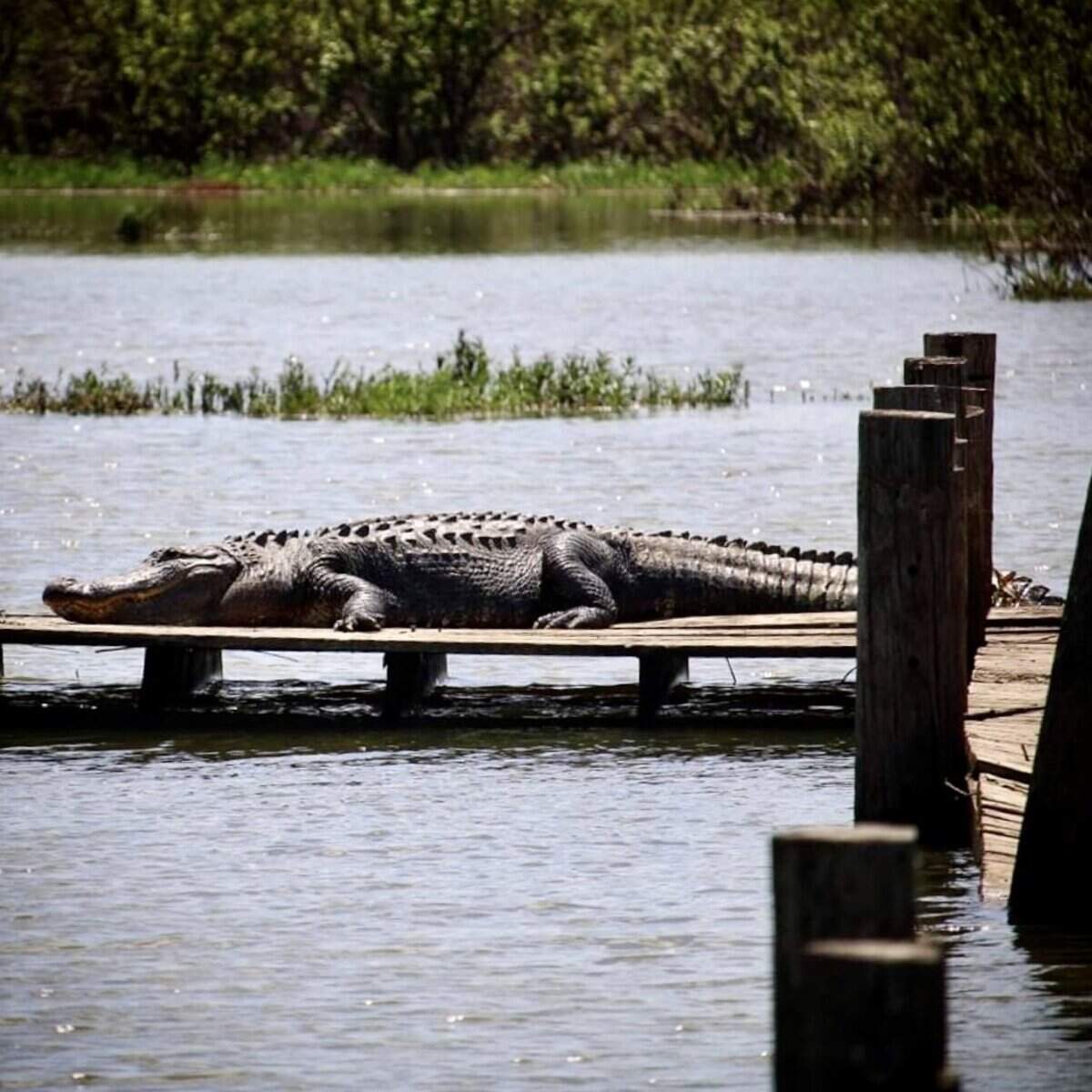
Alligators along the water, basking in the sun, are just trying to regulate their body temperature. Do not alarm them, otherwise they will retreat into water.
TPWD considers alligators a nuisance if they are near homes, livestock pens or other urban structures. (This is when you should call TPWD.)
If an alligator comes out of the water towards people, this alligator should be reported because it is also considered a nuisance.
Alligators will consider pets a food source. Keep your animals leashed up or in fenced yards.
If an alligator is on a road, notify TPWD.
Never swim in a pond where you may see a gator, especially during night. Though gators can be hard to spot in water, you can sometimes see their eyes pop above the surface.
Alligators may pursue fishing lures because they see it as a natural food source. However, if an alligator is following a boat or watercraft can be considered a nuisance.
Never feed alligators. If caught doing so, you can face up to a $500 fine and be charged with a Class C misdemeanor.
To report an alligator, you can call TPWD at 1-800-792-1112 or a Tarrant County game warden.
Can you hunt alligators?
Though alligators are a protected species by TPWD, they are also allowed to be hunted if the hunter has a valid hunting license and lawful means.
Depending on the county you live in (core or non-core), there are different regulations. Tarrant County is considered a non-core county. Hunting season is April 1 though June 30. In non-core counties, hunters are allowed one alligator per season.
Those who hunt an alligator in the wild, outside of Texas law, can be faced with a misdemeanor and fine.
According to TPWD, violating Texas Fish and Wildlife law consequences can result in any of the following:
Class C: $25-$500
Class B: $200-$2,000
Class A: $500-$4,000;
Be fined for state jail felonies ($1,500-$10,000 and/or up to 2 years in jail).
Face automatic suspension or revocation of licenses for up to five years.
Forfeit hunting gear, including firearms, used to commit a violation.
This story was originally published May 27, 2025 at 4:59 PM.