Trump delays some tariffs on Mexico and Canada until April. What does that mean for Texas?
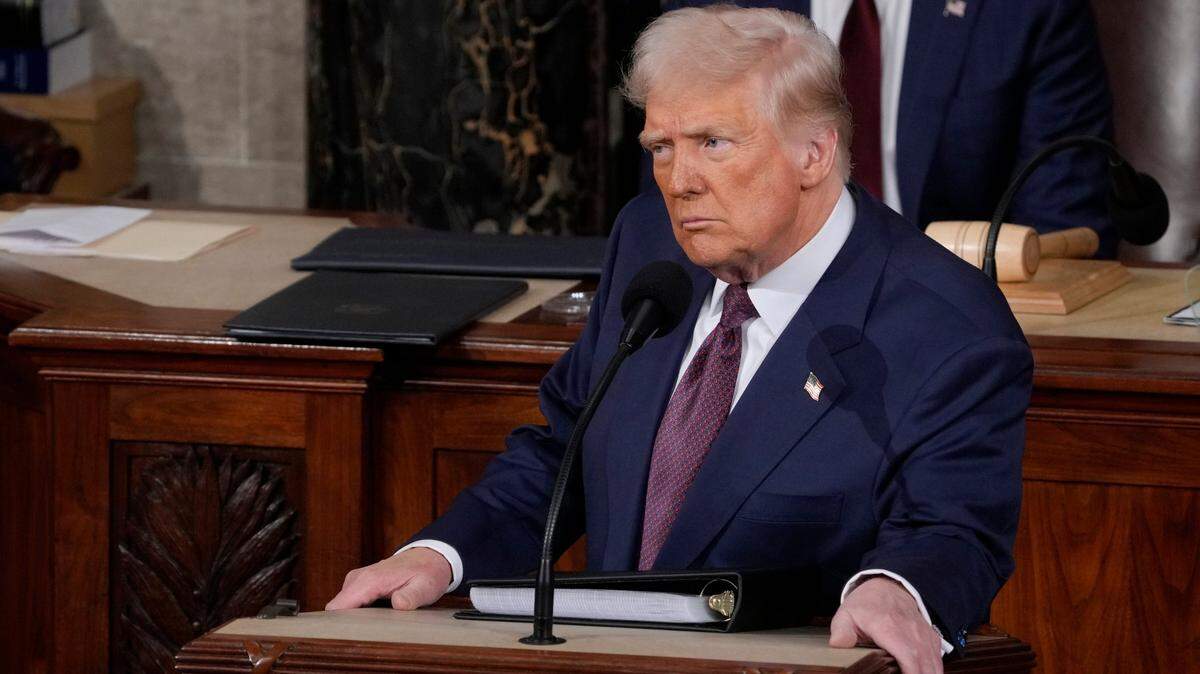
Just days after enforcing a 25% tariff on goods from Mexico and Canada, President Donald Trump has reversed course.
Trump’s tariffs on Mexico and Canada went into effect at 12:01 a.m. Tuesday. On Thursday afternoon, Trump signed an executive action that delayed tariffs on most Mexican imports and some Canadian imports under the United States–Mexico–Canada Agreement until April 2.
The signing comes after Trump said earlier Thursday that he was delaying the tariffs on Mexico after conversations with Mexican President Claudia Sheinbaum.
“After speaking with President Claudia Sheinbaum of Mexico, I have agreed that Mexico will not be required to pay tariffs on anything that falls under the USMCA Agreement,” Trump posted to Truth Social on Thursday morning.
Trump said he made this “accommodation” out of respect for Sheinbaum, adding that the pair’s relationship has been a “very good one.”
The two are working together on the border, both in terms of “stopping illegal aliens” and fentanyl from entering the country, Trump said.
“Thank you to President Sheinbaum for your hard work and cooperation,” Trump posted to his 9.1 million followers.
History of Trump’s tariffs on Mexico, Canada and China
Trump first announced his tariff plan in early February, but delayed the order a month for Canada and Mexico since both countries agreed to further cooperate with the U.S. on border security.
On March 4 at 12:01 a.m., the 25% tariffs went into effect for Canada and Mexico. An additional 10% tariff also went into effect for China, adding to an original 10% tariff that’s been in effect since February.
Both Canadian and Mexican world leaders responded to the news by announcing plans for their own retaliatory tariff on American goods.
Trudeau said Canada is planning to implement 25% tariffs on more than $100 billion worth of American goods over the next few weeks. Sheinbaum initially said Mexico would also issue a 25% retaliatory tariff, however, that was before Trump announced the tariff delay Thursday.
China also plans to issue 15% retaliatory tariffs on American goods starting on March 10.
What are tariffs?
Tariffs are taxes imposed by one country on goods or services that come from another country.
Governments tend to use tariffs to protect domestic companies and raise revenue by increasing the cost of imported goods.
While tariffs can cause financial burdens for exporters, historically, consumers in the country where they are enforced bear the cost consequences.
For example, If a car manufacturer imports engines that are then used in vehicles, then tariffs on those imported engines will increase the production cost and the cost to the consumer.
[MORE: ‘It will drive the entire market’: Texas supply chain industries brace for Trump tariffs]
What does the U.S. import from Mexico?
The U.S. imported over $45 billion worth of agricultural products from Mexico in 2023, according to the United States Department of Agriculture.
Fruits (5 million metric tons) and vegetables (6 million metric tons) were among the largest U.S. imports from Mexico. Distilled spirits were also up there at nearly 264 million liters.
In 2023, Mexico supplied 63% of America’s vegetable imports and 47% of U.S. fruit/nut imports, according to the USDA. Here’s a few items that may be impacted by tariffs:
- Avocados
- Tomatoes
- Raspberries
- Strawberries
- Blueberries
- Blackberries
- Cucumbers
- Peppers
- Limes
- Beer
- Tequila
What does the U.S. import from Canada and China?
The U.S. imported $429 billion worth of products from Canada in 2023, according to Trading Economics.
Mineral fuel/oil was the largest import, with an estimated value of $131 billion, followed by vehicles at $56 billion and machinery at $31 billion. Canada also exports a large number of animal products, oilseed and grain to the U.S, according to the USDA.
The U.S. imported $448 billion worth of goods from China in 2023, according to Trading Economics.
Electrical components were among the largest imports at $126 billion, followed by machinery at $85 billion and toys/games at $33 billion.
Service Team reporter Tiffani Jackson contributed to this report.
This story was originally published March 6, 2025 at 1:08 PM.