Trump’s 25% tariffs on Mexico, Canada are in effect. Here’s how it could impact Texans
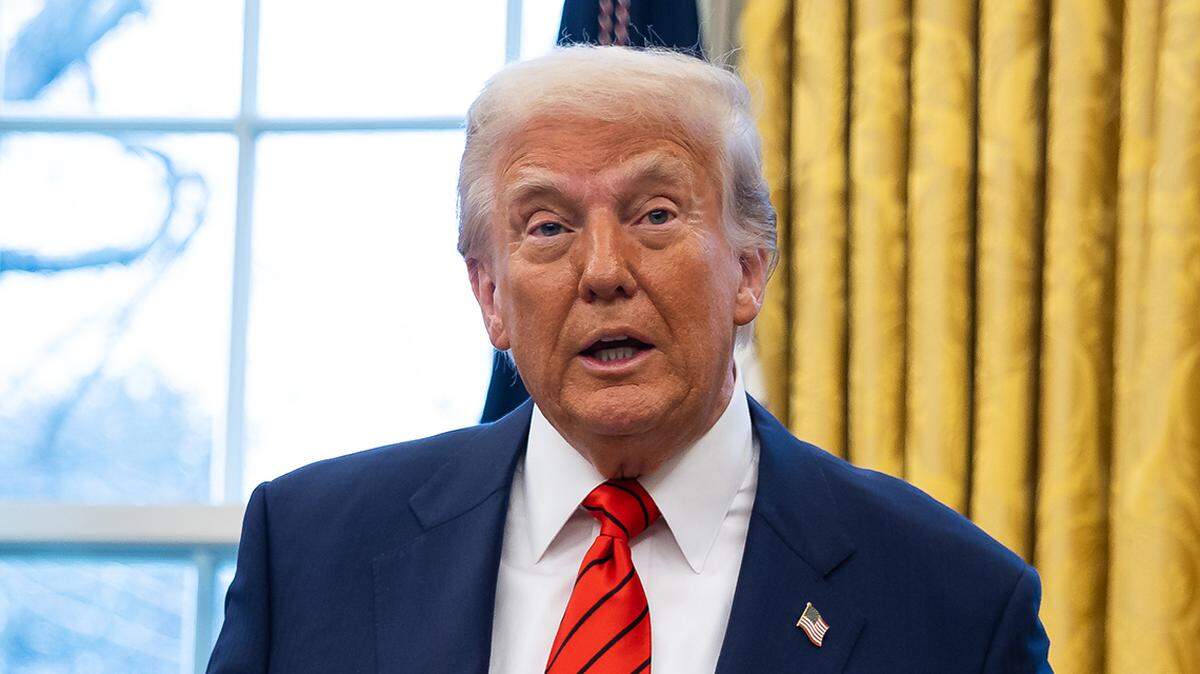
President Donald Trump’s tariffs on Mexico and Canada are now in effect.
Trump’s tariffs went into effect at 12:01 a.m. Tuesday, March 4, under the International Emergency Economic Powers Act (IEEPA). A 25% tariff on imports from Canada and Mexico, and an additional 10% tariff on goods from China are now in place.
The move is said to combat the “extraordinary threat” to national security, in regards to unchecked drug trafficking, the White House said in a news release Monday.
“Both nations’ [Canada and Mexico] failure to arrest traffickers, seize drugs, or coordinate with U.S. law enforcement constitutes an unusual and extraordinary threat to America’s security — demanding IEEPA action to force accountability and protect American lives,” the White House said.
Trump first announced his tariff plan in early February, but delayed the order a month for Canada and Mexico since both countries agreed to further cooperate with the U.S. on border security.
On March 3, Canadian Prime Minister Justin Trudeau responded to Trump’s order by planning his own 25% tariffs on more than $100 billion worth of American goods over the next 21 days.
“While we urge the U.S. administration to reconsider their tariffs, Canada remains firm in standing up for our economy, our jobs, our workers, and for a fair deal,” Trudeau said.
Mexican President Claudia Sheinbaum said her country would also issue 25% retaliatory tariffs on American goods and will announce what products Mexico will target at an event Sunday, March 9,according to the Associated Press.
China also plans to issue 15% retaliatory tariffs on American goods startingon March 10. Trump’s additional 10% increase adds to the 10% tariff that went into effect last month.
With the tariffs in effect, how will this affect Texans’ wallets? Here’s what to know.
What are tariffs?
Tariffs are taxes imposed by one country on goods or services that come from another country.
Governments tend to use tariffs to protect domestic companies and raise revenue by increasing the cost of imported goods.
While tariffs can cause financial burdens for exporters, historically, consumers in the country where they are enforced bear the cost consequences.
For example, If a car manufacturer imports engines that are then used in vehicles, then tariffs on those imported engines will increase the production cost and the cost to the consumer.
[MORE: ‘It will drive the entire market’: Texas supply chain industries brace for Trump tariffs]
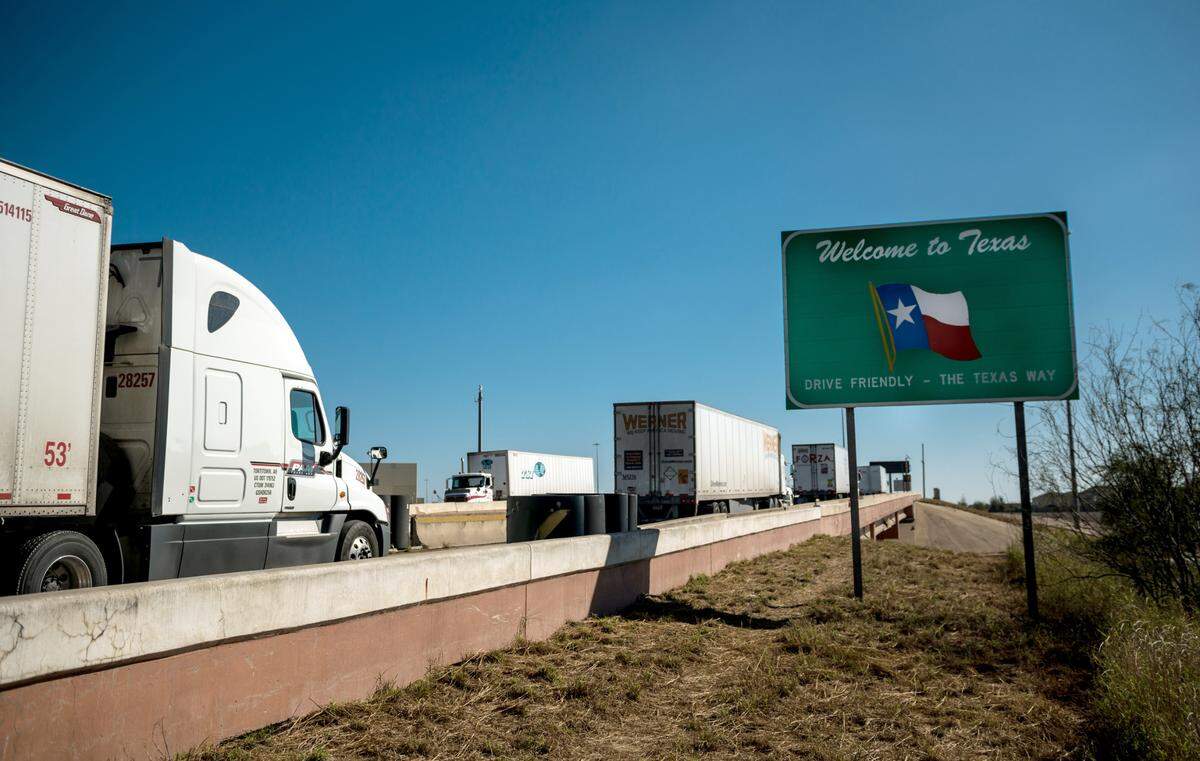
U.S. imports from Mexico
The U.S. imported over $45 billion worth of agricultural products from Mexico in 2023, according to the United States Department of Agriculture.
Fruits (5 million metric tons) and vegetables (6 million metric tons) were among the largest U.S. imports from Mexico. Distilled spirits were also up there at nearly 264 million liters.
In 2023, Mexico supplied 63% of America’s vegetable imports and 47% of U.S. fruit/nut imports, according to the USDA. Here’s a few items that may be impacted by tariffs:
- Avocados
- Tomatoes
- Raspberries
- Strawberries
- Blueberries
- Blackberries
- Cucumbers
- Peppers
- Limes
- Beer
- Tequila
U.S. imports from Canada
The U.S. imported $429 billion worth of products from Canada in 2023, according to Trading Economics.
Mineral fuel/oil was the largest import, with an estimated value of $131 billion, followed by vehicles at $56 billion and machinery at $31 billion. Canada also exports a large number of animal products, oilseed and grain to the U.S, according to the USDA.
Here’s a few items that may be impacted by tariffs:
- Poultry
- Animal products such as offal (the internal organs of a butchered animal)
- Maple syrup
- Alcohol
- Flour
- Plastics
- Oilseed
- Lumber
- Oil
U.S. imports from China
The U.S. imported $448 billion worth of goods from China in 2023, according to Trading Economics.
Electrical components were among the largest imports at $126 billion, followed by machinery at $85 billion and toys/games at $33 billion.
Here’s a few items that may be impacted by tariffs:
- Electronics
- Computers
- Home appliances
- Machinery
- Sporting equipment
- Toys
- Games
Service Team reporter Tiffani Jackson contributed to this report.