
Bees can still be out in the colder months in Texas. How to defend yourself against a swarm
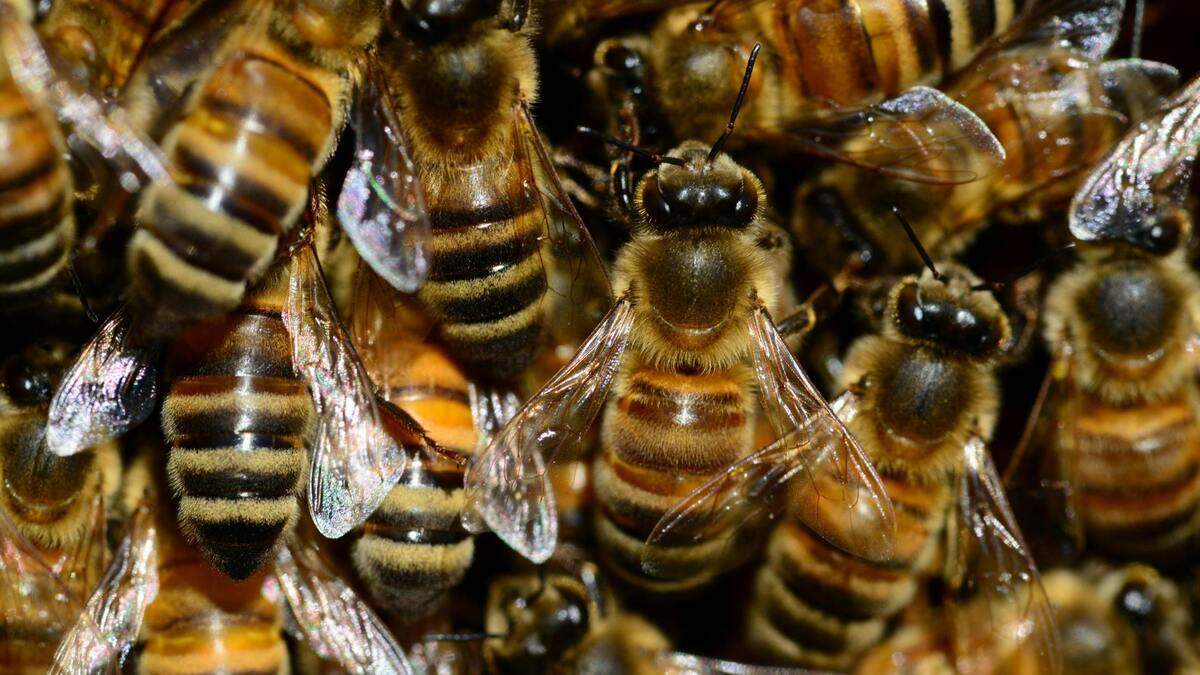
Bee swarming season in North Texas is primarily from late March through June. However, it’s never too late to know how to respond to an emergency bee situation.
Since bees do not hibernate, they are still in the environment in colder months and can be a threat.
This summer, a Frisco teenager became paralyzed after jumping in a pool to seek refuge from an attack.
In September, a North Richland Hills couple was swarmed by bees and hospitalized. Beekeepers in the area worked to remove several beehives and wasp nests where bees often seek warmth during the colder months.
“It’s not that bees are mean, in a human sense. But they do take exception to any people or animals that threaten their nest, or colony,” according to Texas A&M Agrilife.
Here is what you should do if you find yourself in a confrontation with bees.
What to do if you are attacked by bees
If you are chased by a bee swarm, Texas A&M Agrilife suggests that you do the following.
Don’t make the mistake of standing still- Run! If you are far from shelter, run through shrubs and bushes to distract the bees. Shelter should be something that can be securely shut. “Some bees may pursue victims a half mile or more before giving up the chase.”
Water is a poor shelter for a bee attack, so don’t escape there. Bees are attracted to water, so they will hover which will not allow you to rise above.
Once you escape the swarm, remove the stingers as soon as possible. The stingers’ venom will pump until removed. Use fingernails or a knife blade.
If you experience hives, swelling around the throat or face, or difficulty breathing, seek medical attention immediately. If you are not allergic to bee stings, then you can withstand the multiple stings with no problem.
How prevalent are bees in Dallas-Fort Worth?
According to the Dallas-Fort Worth Wildlife Control, five types of bees live in North Texas.
Honey bees are calm but will sting if provoked. They are brown (some people refer to them as yellow instead of brown) with red-brown and black bands on their abdomen, and they are hairy.
Bumble bees: Larger and stronger than the honey bee. Marked with black and yellow. Also, non-aggressive unless provoked. Hives in the ground, compost piles, and sheltered areas on the property.
Carpenter bees: Females have stingers, while males don’t. They dig holes in wood for shelter. They are large, black, and yellow.
Sweat bees: Little, metallic-colored insects attracted to human sweat. Small, black, brown, or metallic green, blue, or purple. Non-aggressive unless provoked with moderate stings. It shouldn’t affect someone too much unless they are allergic to bees.
African honey bees: “Killer bees.” Aggressive with painful stings. Common to swarm. Build nests within homes. Brownish (some people may think yellow) in color with black stripes.