Texas wildfires are now a year-round threat, fire chief says. It wasn’t always that way
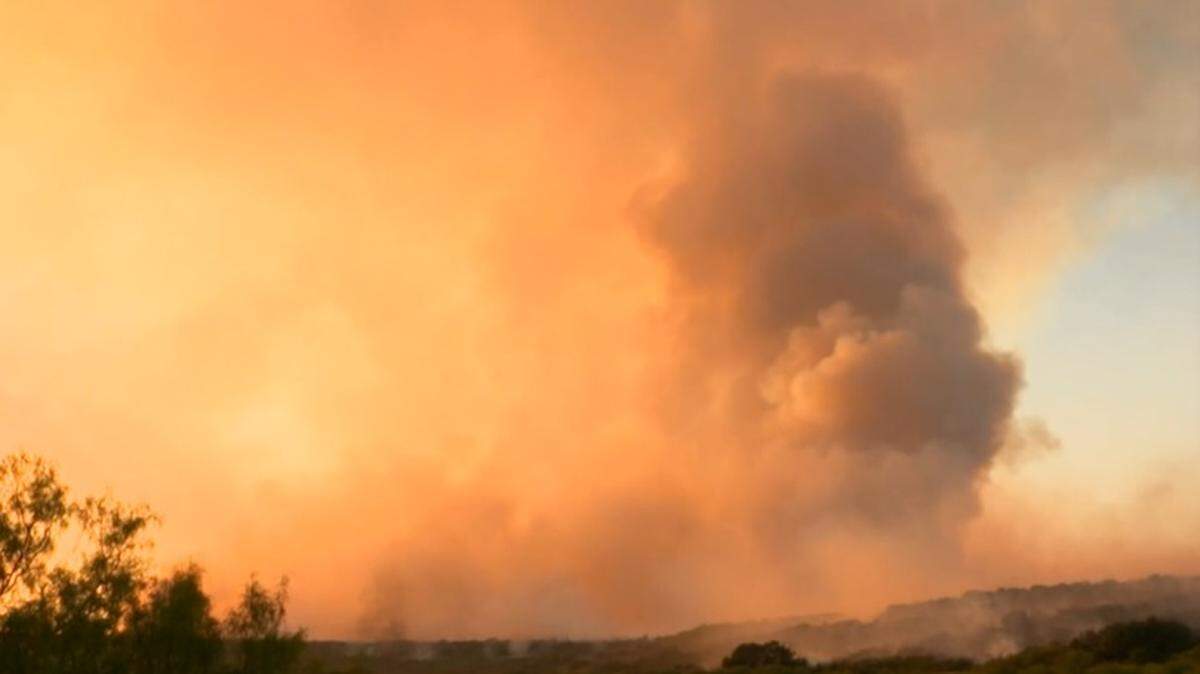
Wildfires — which once had distinct seasons — are now a year-round event in Texas.
It wasn’t always this way.
Wildfire season in Texas used to be defined by distinct summer and winter seasons, said Wes Moorehead, Texas A&M Forest Service Fire Chief. With the changing climate and landscape of the state, fires can now happen any day of the year.
Moorehead said in the 22 years he’s been part of the Forest Service he has noticed a shift from distinct fire seasons.
“We had more wildfire activity during those distinct seasons, we had a little bit in between and so maybe climatology shifted a little bit but definitely the fuels have shifted,” Moorehead said.
When is wildfire season in Texas?
Texas has two types of wildfire seasons: the dormant season in the fall, winter and early spring, and the growing season which happens in the late spring and summer months.
In the dormant fire season, vegetation stops growing and the grass is brown. Increased wind speeds with dry cold front passages also happen during this time and peak fire activity occurs mid-February through mid-April.
In the growing season the grass is green, but can dry out in the summer months making it a ripe environment for wildfires if the conditions are right.
Why do wildfires happen all year in Texas?
A mix of factors make wildfires more likely to happen year-round.
At the start of Moorehead’s career, he said there was a lot more grazing and agriculture across the landscape keeping the grass low.
“Overtime through efficiencies, through economies of scale, that agricultural footprint has shrunk,” he said. “Those lands, they’ve changed where they’re no longer grazed and they’ve grown up, so the fuel’s different from when I started and I think that’s contributed some to that extended season.”
The state’s growing population is another change that’s impacted wildfire season in the last 20 years.
Texas had a population of 20.8 million people in 2000, according to U.S. Census Bureau data. As of 2022, the state grew to have over 30 million residents.
Before, a 50-acre fire in the off-season was left to go out on its own because there was no risk of it impacting anyone, Moorehead said.
Now, a 50-acre fire is more likely to impact a home or community and requires action.
“Because there’s so many more people across the landscape, a small 50-acre fire can be very, very impactful,” Moorehead said. “Now that off-season fire of 50 acres, somebody’s going to be impacted and asking for help.”
What causes fires?
Nine out of 10 times, Texas wildfires are caused by human action, Moorehead said.
Even something as simple as pulling over your vehicle on the side of the road can start a fire from the hot exhaust making contact with dead grass.
“Your actions can start a wildfire, even though you don’t intend to,” he said.
How does the 2023 wildfire season compare to 2022?
Last year, drought conditions in Texas carried throughout the year contributing to an intense wildfire season which included the Palo Pinto County fire that burned more than 1,500 acres.
This year more rainfall came in late spring and early summer which greened vegetation across the state.
Wildfire activity has been down this year, with fire numbers well below what they were last year, Moorehead said. However in the last six weeks the triple digit heat and lack of rain has created drought conditions and dried vegetation ideal for fires.
The Fort Worth Fire Department and Police Department responded to a large grass fire northwest of downtown Fort Worth on Wednesday afternoon, the Star-Telegram previously reported. It took firefighters hours to get the blaze under control because of weather conditions that included high temperatures, low humidity and steady winds.
Throughout Wednesday, Texas A&M Forest Service firefighters and other state agencies responded to 14 wildfires that burned more than 2,700 acres across the state, including an almost 200-acre fire off Bonds Ranch Road in northwest Tarrant County.
Although the state may see increased wildfire activity in August, Moorehead said it would take an extraordinary change in conditions over the next couple of months to get anywhere close to the 2022 season.
Typically moisture will return to the state in late September into October. Shorter, cooler days will grant a little reprieve from fires until a frost happens which leads to the dormant fire season.