835 new Texas laws start Sept. 1. Big changes affect marijuana, schools and more
More than 800 new Texas laws take effect Sept. 1, governing everything from public schools and filmmaking incentives to expanded access to medical marijuana and tax-free weekends.
It would take days to sort through them all, but we know you don’t have time for that. So we’re breaking down for you about a dozen of the new laws that are most likely to affect your daily lives in North Texas.
All of these bills were passed during the legislative session that ended June 2 and take effect on Sept. 1. Other laws took effect immediately or will go into effect later on.
You can follow all of our coverage and analysis of Texas state politics by signing up for our free “TX Politics” email newsletter at star-telegram.com/newsletters.
Private school vouchers in Texas
Perhaps the most high-profile issue of the regular legislative session was Abbott’s push for private school vouchers, and while the bill technically takes effect Sept. 1, funds will not be available for the 2025-2026 school year.
The new law, Senate Bill 2, creates education savings accounts, state dollars that parents can use to pay for their child’s private or homeschooled education. The Texas Comptroller’s Office is working to set up the program, but the law stipulates that it doesn’t go into place until the 2026-2027 school year.
Once in effect, families of students could receive up to $10,000 for private school education. Students with disabilities are eligible for up to $30,000. Students could also receive up to $2,000 for homeschooling.
Funds are prioritized based on household income and for students with disabilities. The dollars can be used for expenses like tuition, tutoring, school supplies, uniforms and transportation.
The fight over whether the state should play a role in funding private education came after a contentious 2024 election season, where Republicans clashed over the issue. Abbott succeeded in helping to oust enough anti-voucher House Republicans to get his priority “school choice” issue to his desk when legislators convened in Austin.
The fight became intertwined with pushes to increase public education funding and teacher pay. House Bill 2, also passed this year, includes educator pay raises and other public school funding initiatives.
Expanded access to medical marijuana in Texas
Marijuana was another hot topic in Austin this year. The Legislature voted to ban consumable THC products like gummies and vapes found in stores across Texas, but Abbott vetoed the bill. The governor wants lawmakers to come up with ways to better regulate the growing industry.
Meanwhile, a different marijuana bill did make it through. House Bill 46 expands who can legally obtain doctor-prescribed marijuana for medical reasons under the Texas Compassionate Use Program.
The list of qualifying medical conditions is expanding to include patients with chronic pain, traumatic brain injury and Crohn’s disease or another inflammatory bowel disease. The law also opens up the program to people facing terminal illness and those in hospice or palliative care.
The changes to the medical marijuana program come as some, including Lt. Gov. Dan Patrick, called for a ban on consumable THC products, like delta-8 and delta-9 gummies and vapes. That issue remains the subject of legislative debates.
Ten Commandments and prayer in Texas schools
Public school children returning to campus this fall are seeing something new in their classrooms: the Ten Commandments.
Senate Bill 10, authored by Sen. Phil King, a Weatherford Republican, requires schools to hang a “durable poster” or framed copy of the commandments in a “conspicuous place in each classroom of the school.” The law says the posters should be donated, but schools can buy the signs with public funds if donated copies aren’t available.
King also successfully passed Senate Bill 11, allowing designated prayer time in public schools for students and employees. School boards could adopt a policy allowing for the designated period of prayer, but they are not required to.
Tarrant County Appraisal District
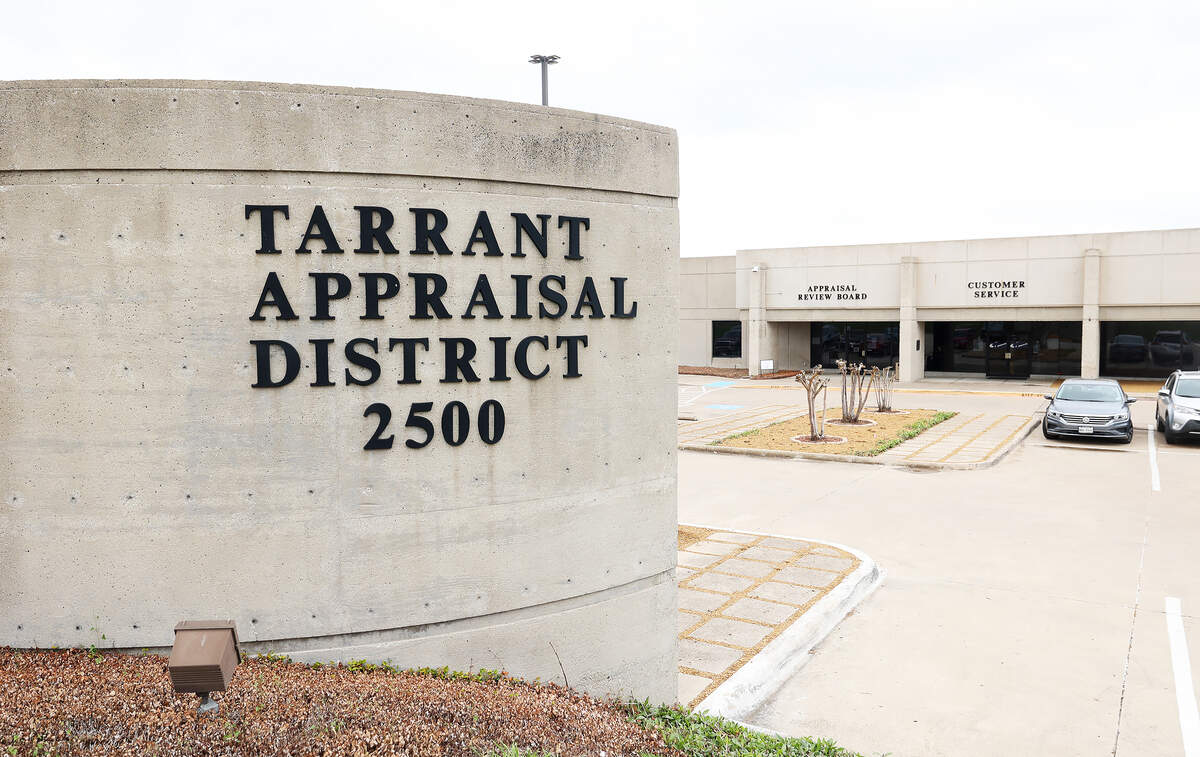
A new law could reverse a plan by the Tarrant Appraisal District to conduct home appraisals every other year instead of annually.
The trigger for the change came in the form of an 11th-hour amendment by Rep. Charlie Geren of Fort Worth to Senate Bill 973, which regulates the types of images that appraisal districts can post online.
TAD’s chief appraiser, Joe Don Bobbitt, told the Star-Telegram in June that the district was seeking counsel on what the change meant for the county’s appraisal schedule.
Bobbitt said in a Aug. 13 email that the issue wasn’t discussed at the most recent TAD board meeting, and that the appraisal district did not have an official answer on how they’re interpreting the new law.
TV and film production in Texas
Fort Worth will soon be home to the largest television and film operation in Texas, after “Yellowstone” creator Taylor Sheridan and 101 Studios made a deal with Hillwood to build a production campus at AllianceTexas.
While the new studios will be a major draw for Fort Worth, state lawmakers are also hoping to lure Hollywood projects across Texas.
Senate Bill 22 allows the Texas Comptroller to put $300 million into an incentives fund every two years until 2035. Companies that want to produce movies and shows, commercials, video games, animation and the like in Texas can get cash grants, based on things like new jobs created and wages. Fort Worth’s film commissioner Taylor Hardy has touted the economic benefits of the industry, which has represented 30,000 jobs and $700 million in the city since 2015.
Cellphones at Texas voting sites
You’re not allowed to pull out your phone while casting a ballot in Texas, but voters can have their phones with them a bit longer following the passage of House Bill 3909.
Currently, cellphones aren’t allowed within 100 feet of a polling place. But the rule can be hard for poll workers to enforce. And it prevents people from using their phones while waiting in line to vote, according to a House Research Organization analysis.
The new law bars cellphones in “a room in which voting is taking place,” which allows people to keep using their phones until they’re inside the room where voting machines are set up.
Buying sweets with ‘food stamps’
Supplemental Nutrition Assistance Program (SNAP) benefits cannot be used to buy sugary drinks or candy once Senate Bill 379 takes effect Sept. 1.
Purchases of tobacco products and alcohol with SNAP benefits are already forbidden, but the restrictions now also extend to candy and nonalcoholic beverages “made with water that contains five grams or more of added sugar or any amount of artificial sweeteners.”
Drinks containing milk or milk substitutes, and drinks that are more than 50% juice, are excluded from the new rule.
“By restricting unhealthy foods from being purchased with SNAP benefits, Texas can help ensure the health and wellbeing of Texans,” Abbott said in an Aug. 5 statement. “The new SNAP guidelines will ensure taxpayer dollars are used to purchase foods that provide real nutritional value.”
Slow down to pass these vehicles
Most Texas drivers know you’re supposed to slow down and move over when you pass a stopped emergency vehicle on the side of the highway. A new state law adds a few more types of vehicles that require the same precautions.
Senate Bill 305 says highway drivers must slow and move over for parking enforcement vehicles and animal control crews removing carcasses from roadways. Failing to adhere to the law comes with criminal penalties. First-time offenders could face a misdemeanor with fines of $500 to $1,250.
The list of other stopped vehicles that require you to move over include tow trucks, TxDOT trucks, garbage trucks and toll operator cars.
Tax-free weekend in Texas
Each summer, Texas has a weekend where shoppers can buy clothes, shoes and school supplies without paying sales tax. The tax holiday is meant to align with back-to-school season, as parents prep their kids to return to class.
Senate Bill 1415 addresses the timing of the tax exemption. Going forward, tax-free weekend will always start on the first Friday in August and end that Sunday.
NDA agreements in sexual assault cases
“Trey’s Law” restricts nondisclosure agreements in sexual abuse cases, such as the case involving Gateway Church’s former lead pastor, Robert Morris. Cindy Clemishire, whom Morris is accused of abusing as a child, advocated for the legislation. Clemishire told lawmakers that starting at the age of 12, she was groomed and abused by the ex-pastor. As an adult she was offered an NDA but refused to sign.
The new law prohibits NDAs in civil cases when the agreements bar a person who was sexually abused from speaking out. It applies to cases involving both adults and children.
Electronic cigarettes in Texas
Several bills that become law Sept. 1 further restrict sales of e-cigarettes in Texas.
- Senate Bill 1313 prohibits retailers from selling or advertising cigarettes, e-cigarettes or tobacco products using signs, logos or designs geared towards minors.
- Senate Bill 1316 bans the advertising of e-cigarettes within 1,000 feet of churches and schools.
- Senate Bill 2024 bars the sale of e-cigarettes that come in containers bearing the name of a celebrity or that are designed to look like something else, like electronics, cosmetics or toys. The bill also prohibits the sale of e-cigarettes that are wholly or partially made in China or a country “designated as a foreign adversary.” Electronic cigarettes mixed with cannabinoids, alcohol, kratom, kava, mushrooms or tianeptine also cannot be sold under the new law.
This story was originally published August 15, 2025 at 4:50 AM.