
Texas House OKs more money for public schools. Is it enough for Fort Worth-area districts?
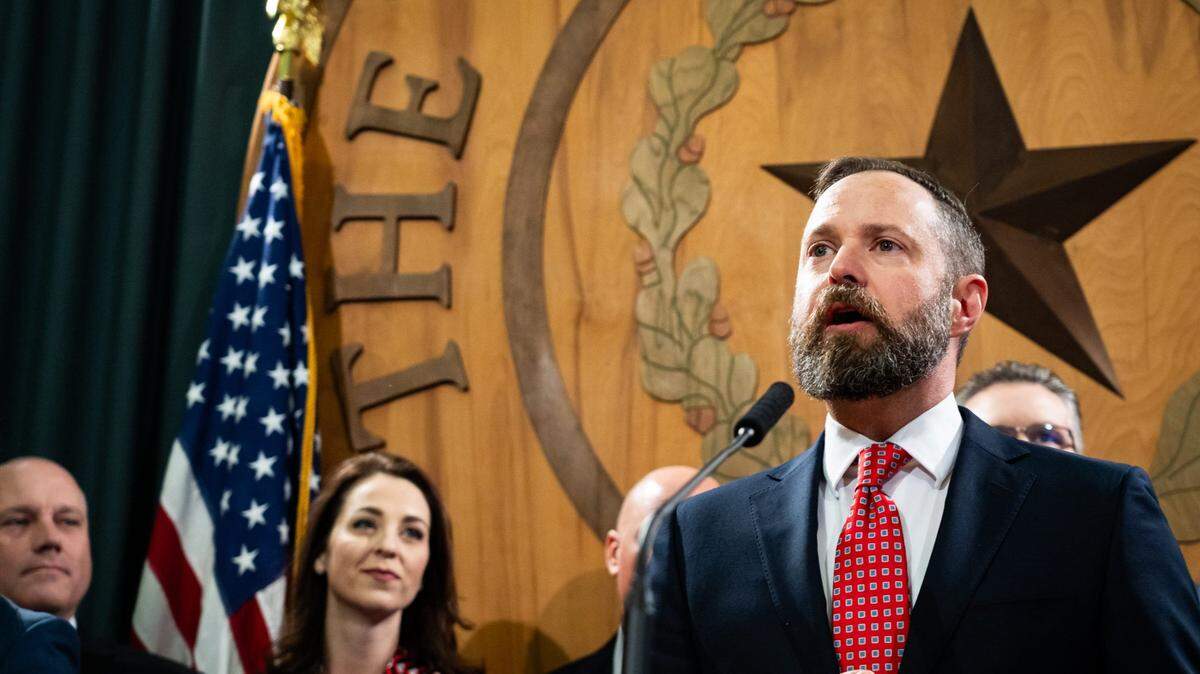
On the same day they passed the so-called “voucher bill,” the Texas House of Representatives approved a $7.7 billion public education funding bill that would increase the state’s basic per-pupil allotment.
Since 2019, Texas schools have received $6,160 per student in state funding each year based on average daily attendance. Under House Bill 2, that would increase to $6,555 per student, and 40% of that additional revenue would go toward teacher pay raises.
After the April 17 vote, the bill heads to the Senate for consideration by a committee, and if advanced, the full chamber.
Fort Worth area school districts welcomed the increase but said it is not nearly enough to offset inflation.
Keller ISD: increase falls short
Keller district spokesperson Bryce Nieman said the administration was monitoring the bill’s progress. “We appreciate any effort that moves our state closer to the adequate funding of public schools,” he wrote in an email.
Nieman added that the allotment increase under House Bill 2 could end up being larger than $375 per student owing to “other allotments within the funding formula,” but it would still fall short of the $1,300 per-pupil increase he said is needed to keep schools at the same level of funding they were at in 2019 because of inflation.
“At this time,” Nieman said, “we are waiting for the bill to advance further before determining the precise impact it may have on Keller ISD.”
Results of a financial audit revealed in January showed that Keller had a $35 million shortfall in its general fund, and the district is facing a potential $9.4 million budget deficit for the 2025-26 school year.
Northwest ISD: Legislators not willing to make funding commitment
Anthony Tosie, spokesperson for the Northwest school district, agreed with Nieman’s overall assessment of House Bill 2.
“While we are grateful for new funding,” Tosie wrote in an email, “the $395 increase in the basic allotment .— or base per-student funding — does not come close to meeting the structural needs of school districts. To address the loss in purchasing power since 2019, the state would have to increase the basic allotment by $1,340 — and legislators are not willing to make that commitment for public schools.”
Tosie said most of the additional funding from House Bill 2 would go to salary increases for teachers and support staff, and toward adding pre-kindergarten and special education positions.
In February, the district announced it was cutting 101 teaching positions through attrition, early retirement and resignations to help combat a $16 million budget deficit.
Grapevine-Colleyville: HB2 an encouraging first step
In a statement, the Grapevine-Colleyville school district called the passage of House Bill 2 an encouraging initial step.
“Although early evaluations indicate the potential for much-needed teacher and staff raises and funds for increasing day-to-day costs, it’s crucial to recognize that the bill’s journey through the Senate means the final funding outcome for us is still unknown,” its statement read. “We continue to encourage our community to reach out to elected officials and advocate for the additional funding that is desperately needed.”
Fort Worth looks to put more funds toward reading improvement
The funding boost comes as the Fort Worth Independent School District is looking to put more money behind programs designed to improve reading scores. The percentage of students meeting grade level in reading on the state test has been stagnant for at least a decade, and Fort Worth ISD has consistently lagged behind the state’s other big urban districts in reading.
During a school board meeting last month, Superintendent Karen Molinar presented plans to redirect $22.7 million of the district’s budget to literacy priorities. That plan was based on an assumption that the district wouldn’t see any new money at the end of the legislative session. Molinar told the board during that meeting that any increase in funding lawmakers approved would go back to students and teachers, as well.
Molinar said she was particularly interested to see how lawmakers handled the teacher compensation issue. Teachers are “the main lever when it comes to how we can accelerate student growth,” Molinar said, and districts have to pay competitive salaries if they want to be able to recruit and retain good teachers.
Carmen Arrieta-Candelaria, Fort Worth ISD’s chief financial officer, said the district is in a holding pattern as it waits for a school funding bill to reach Gov. Greg Abbott’s desk. She noted that districts expected to see a funding boost during the 2023 legislative session, as well. That year, lawmakers in both parties said they wanted to use a portion of the state’s budget surplus to raise the per-pupil allotment and raise teacher pay. But the issue became mired in the larger debate over school vouchers, and ultimately went nowhere, and districts had to dip into their reserve funds to cover the teacher pay raises their boards had already approved.
While she acknowledged the proposed funding increase still leaves the district well short of the buying power it had in 2019, Arrieta-Candelaria said any new money from the state is welcome.
“We are encouraged that the basic allotment is going to go up, and so we’ll continue to hold on and see,” she said.
House Bill 2 provides ‘much-needed support’
Officials with Raise Your Hand Texas called House Bill 2 “much-needed support after years of inflationary pressures and new state mandates” in a statement on Thursday. The education policy nonprofit acknowledged progress with basic allotment increase, special education formula updates and bilingual student funding. Although there is additional funding needed for students, they said, the bill represented a positive step forward.
“While it is true that going into this legislative session, our schools needed almost $20 billion to keep pace with double-digit inflation, and an additional $50 billion to be in the middle of the pack for per-student funding nationally, HB 2 is a significant down payment on the support Texas students deserve,” Raise Your Hand Texas officials said.
Regarding Senate Bill 2, which established private education vouchers, the nonprofit reiterated its long-standing opposition against vouchers and continued to defend this stance. But it credited House Speaker Dustin Burrows and other House members for adding “important, meaningful safeguards to this bill.”
“These include a cap on the percentage of funds appropriated that will be available to higher-income families, as well as a requirement that private schools operate for two years before accessing the program. As the debate continues over SB 2, we hope legislators keep these important safeguards in place,” nonprofit officials said.
Staff writer Eleanor Dearman contributed to this report.
This story was originally published April 17, 2025 at 3:33 PM.