Texas wants to rein in marijuana loopholes. Here are lawmakers’ plans for THC
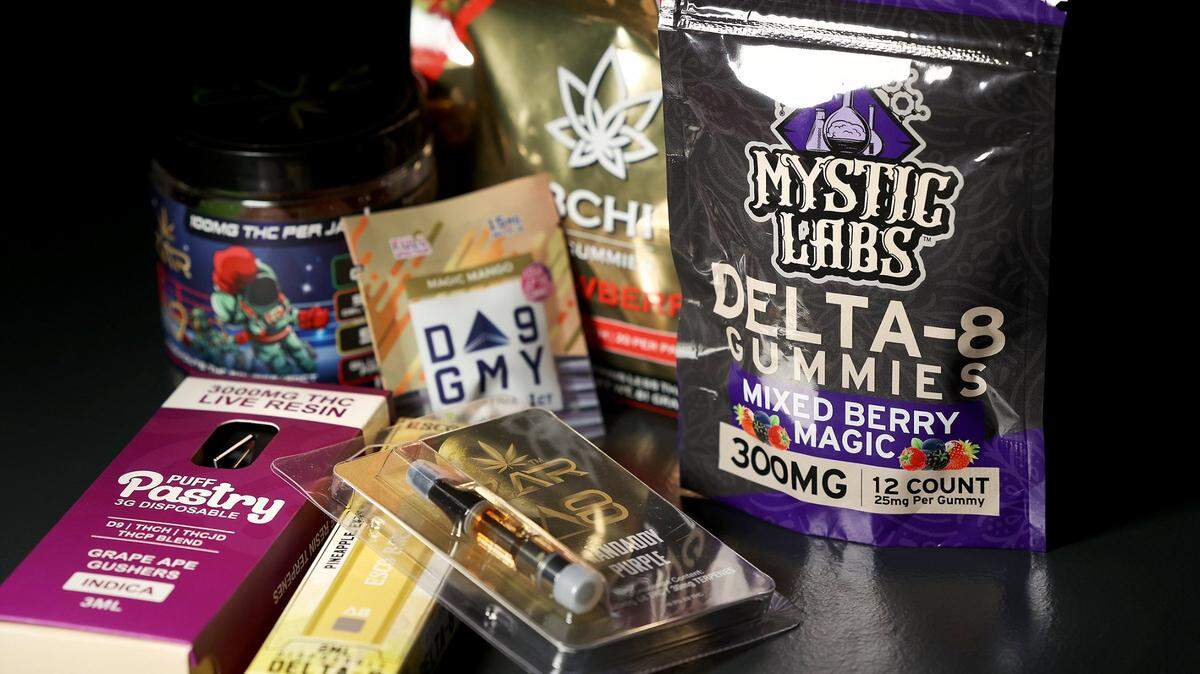
Texas lawmakers are looking to rein in access to products that contain THC, but the House and Senate could take somewhat different approaches.
The state’s consumable hemp industry blossomed following a 2019 bill that allowed the production of hemp in Texas. Just a few years later, products that contain THC and can produce a high are readily available in the state. They come in the form of drinks, gummies and vapes.
The products are similar to marijuana, and in some cases have tested positive as weed.
Understanding the difference can feel like a bit of a chemistry lesson.
Hemp and marijuana are both forms of cannabis, a plant that contains all sorts of chemical compounds — including THC and CBD, two of the many types of cannabinoids found in the plant. Statutorily speaking, legal hemp has Delta-9 THC concentration below 0.3% by dry weight. Anything above that is illegal marijuana.
Lagging regulations in the consumable hemp industry have gotten the attention of the Texas Legislature, particularly Lt. Gov. Dan Patrick, who has made a ban on products containing THC a must. The supporting legislation has already passed out of the chamber.
In the House, most THC products still wouldn’t be allowed as the bill stands, with at least one exception: drinks.
So what exactly do the bills say and what would they mean for access to THC products? Here’s what to know about the proposals as lawmakers mull what to do.
Senate advances THC product ban
The bill that passed through the Senate on March 19, Senate Bill 3, says the only consumable hemp products that can be manufactured or sold are those that only contain CBD or CBG, chemicals in cannabis that do not produce a high and are sometimes used medicinally.
Before the hemp plant is used to make a consumable hemp product, it would need to be tested for the concentration and types of cannabinoids in the plant, among other things. Before the actual product is sold, it must be tested for the type and concentration of cannabinoids.
Products that contain artificial or synthetic cannabinoids couldn’t be sold.
Both the House and Senate bills do not directly impact the state’s medical marijuana program, which is available for patients with certain medical conditions.
Other provisions of SB 3, authored by Sen. Charles Perry, a Lubbock Republican, include:
A $20,000 annual registration fee for the owner of a business where a consumable hemp product is sold.
Labeling requirements for consumable hemp products, including a QR code that directs buyers to the product’s registration information with the state.
Packaged in a way that is tamper-evident, child resistant and resealable if it contains multiple servings.
Rules against marketing the products to children and selling consumable hemp products within 1,000 feet of a school.
Consumable hemp products containing hemp-derived cannabinoids could not be sold to a person younger than 21.
The creation of various criminal penalties for violating provisions of the bill, including making it a class A misdemeanor to possess consumable hemp products that contain any cannabinoid other than CBD or CBG.
The legislation is in the House for consideration but had not been scheduled for a committee hearing as of March 28.
Patrick said during a March 19 news conference he’s not willing to compromise on a THC ban. More recently, he told The Texas Tribune it’s an issue he’ll force a special session on if not passed. Only Gov. Greg Abbott can call a special session.
“There are lots of issues that we discuss between the Senate and the House, and sometimes you can have policy differences, and you work those differences out,” Patrick said at the news conference. “This is not one of those bills. This is a bill that we have to ban THC and shut all of these stores down.”
Patrick said he, House Speaker Dustin Burrows, a Lubbock Republican, and Gov. Greg Abbott are “on the same page” on the THC issue.
Burrow’s office did not return a request for comment emailed on March 27. Abbott’s office, when reached with an interview request, pointed to the governor’s comments at a March 6 news conference. In the remarks, Abbott did not offer a definitive opinion on a THC product ban.
“We need to see more information about what legislators agree is the correct pathway forward,” Abbott said.
House bill excludes THC drinks from ban
The House proposal, House Bill 28, effectively bans most consumable products containing THC, with the exception of drinks that contain Delta-9 THC, said Heather Fazio, director of the Texas Cannabis Policy Center, an advocacy group that supports industry regulations that are in the interest of public health and safety but not prohibition.
The sale and manufacturing of consumable hemp products meant for eating, smoking or inhaling wouldn’t be allowed. It also restricts growing or selling hemp flower. The products that are sold couldn’t have Delta-9 THC concentration above 0.3% or contain more than 10 milligrams of Delta-9 THC.
Fazio said it’s unclear if the bill would also allow tinctures, a solution that can be taken by placing it on the back of the tongue. It’s also to difficult to have an effective tincture at the concentration of THC that’s allowed, she said.
The legislation bars the manufacture of consumable hemp products that contain any amount of a “synthesized cannabinoid.” What exactly “synthesized cannabinoid” means needs further clarification and specificity, Fazio said.
The Texas Alcoholic Beverage Commission would take over the regulation of the products, according to the legislation.
The bill hasn’t been set for a committee hearing, but its author Rep. Ken King, R-Canadian, chairs the committee it has been sent to.
Here’s what else the bill says:
A plant must be tested for the concentration and type of cannabinoid before being used to make a consumable hemp product.
Consumable hemp products must be tested by a laboratory in Texas for the type and concentration of any cannabinoids.
Businesses that sell consumable hemp products must pay a $2,000 annual fee for each location where the products are sold.
Package label requirements, including that products not be marketed to children. Packaging must be tamper-evident, child resistant and resealable if containing multiple servings. Each serving must be individually wrapped.
Packaging must include a warning that “consumption of this product will result in a positive drug test.”
Consumable hemp products containing hemp-derived cannabinoids could not be sold to a person younger than 21.
Products containing a hemp-derived cannabinoid could not be sold within 1,000 feet of a school.
Patrick said March 19 there shouldn’t be an exception for THC drinks.
There are parts of both the House and Senate bill that the Texas Cannabis Policy Center supports, Fazio said, pointing to regulations like age restrictions and packaging and labeling restrictions for not advertising to children.
“We, however, are not going to be supporting any legislation that prohibits responsible adult use of THC,” she said.
This story was originally published March 28, 2025 at 11:22 AM.