What could be in store for medical marijuana, consumable hemp products in Texas?
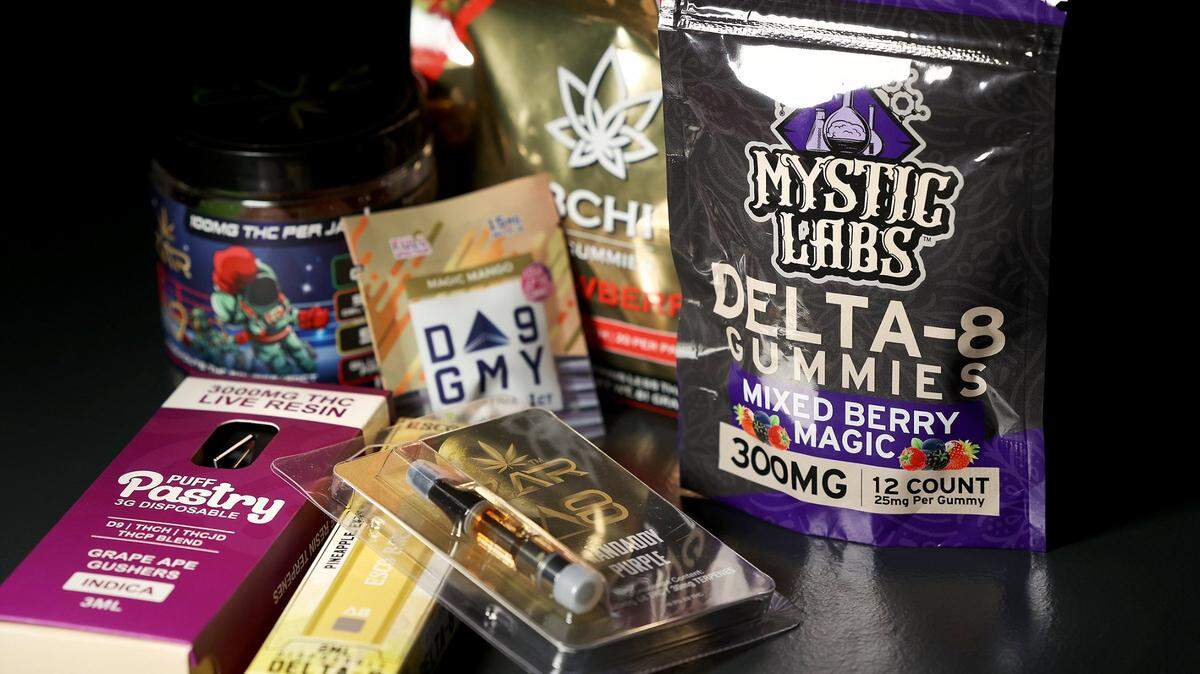
Marijuana access in Texas could be a highly discussed topic this legislative session, as advocates push for expansion of the state’s medical marijuana program and Lt. Gov. Dan Patrick pushes to ban consumable THC products.
Patrick, who serves as president of the Texas Senate, has considerable sway over policy in the state, which means his push to ban consumable THC products will likely gain at least some traction during the session.
The industry has boomed in recent years after hemp was legalized in 2019, but lawmakers have done little in the way of regulations. Cannabis products that produce a high can easily be accessed on the shelves of gas stations, vape shops and specialty stores across the state.
The products are considered legal hemp if they contain less than 0.3% Delta-9 THC by dry weight. Anything higher is marijuana under Texas law, and there have been reports of products with THC above the legal limit being sold in stores.
Patrick said in a Dec. 4 statement consumable THC products and all forms of THC will be banned in Texas under a bill to be filed in the Texas Senate.
The corresponding legislation, to be authored by Sen. Charles Perry, a Lubbock Republican, had not been filed as of Jan. 26, but the bill will follow federal regulations while taking “decisive action to eliminate intoxicating and synthetic THC products from Texas communities,” according to a news release from Perry posted on Facebook on Dec. 6.
The bill will preserve the legality of nonintoxicating consumable hemp products, like CBD products, as long as they do not contain THC and will not affect the state’s medical marijuana program, the release states.
“We must take bold action to keep dangerous drugs away from our communities and out of our schools, and SB 3 is a critical step in protecting Texas families from unregulated and mislabeled intoxicating products,” Perry said. “Under Lt. Governor Patrick’s leadership, we will enact the toughest THC ban in the nation to safeguard the health and safety of our children and communities.”
There is room to improve the state’s hemp program and regulate it, said Heather Fazio, director of Texans for Responsible Marijuana Policy, an advocacy group that favors regulation over a ban of consumable products.
“Which is going to be, in my opinion, much better for Texas,” Fazio said. “It’s going to be in our interest regarding public health and public safety.”
But if the products are just banned, the many Texans who are using the consumable THC products would be criminals — many of whom aren’t eligible for Texas’ medical marijuana program, the Compassionate Use Program, or for whom the program is cost prohibitive, Fazio said.
A report from Rice University’s Baker institute found that hemp product bans would not succeed in eliminating access or protecting the public. It outlines recommendations for lawmakers that include a 21-year-old age limit to buy the products, improved safety and advertising standards, and more resources for regulatory oversight.
There is regulation on the consumable hemp industry, but its not as robust as it needs to be for cannabis products that can cause impairment, Fazio said.
“We have an adult use cannabis legalization program right now in the hemp program,” Fazio said. “That’s what it is, effectively. Effectively this is cannabis legalization for adult use, and it’s not being regulated as such.”
Texas Agriculture Sid Miller has come out in support of Patrick. Miller supports medical marijuana but opposes recreational use.
“The Lieutenant Governor is right to go after these unregulated and often illegal businesses,” Miller said in an opinion article posted on the Department of Agriculture website. “Even if the legislature voted to legalize recreational marijuana tomorrow, that legislation would create a legal market with rules, guardrails, checks, and balances. What we have now is the wild west.”
In an interview with the Star-Telegram, Miller noted that as the consumable hemp products have come onto the market, the opening of vape shops have boomed.
“Some of these people have put their life savings in opening these shops, so we kind of have to be careful that we don’t completely put them out of business,” Miller said. “They need some kind of alternative. I don’t know what the answer is, but… I know for a fact it’s time to take a look at it and address the issue.”
Gov. Abbott was not available to comment on banning THC products and marijuana legislation more broadly. House Speaker Dustin Burrows and Patrick did not return requests for comment.
Medical marijuana expansion
As debates over consumable hemp products play out in the halls of the Capitol, those working in the medical marijuana space would like to see changes made to the program to make it more accessible.
The program allows doctors to prescribe “low-THC cannabis” for a limited number of specific medical conditions, such as cancer, epilepsy, multiple sclerosis or post-traumatic stress disorder. A 2023 push to expand the program to chronic pain in cases where opioids would otherwise be prescribed failed when lawmakers last met.
“We know we have a product that provides less harm but more benefits to individuals,” said Goodblend government relations director Jervonne Singletary, speaking to the use of medical marijuana versus opioids. Goodblend is one of the state’s three licensed medical marijuana dispensaries.
Dr. Matthew Brimberry, a physician at the Texas Cannabis Clinic, would like to see lawmakers allow for more doctor discretion in prescribing medical marijuana. The clinic treats Compassionate Use Program patients.
“We’re hoping that the physicians will be allowed the ability to make recommendations based on patients’ diagnosis and not be retrained to what the legislatures think will help patients,” Brimberry said. “Let’s allow the medical professionals to continue practicing medicine and recommending this medicine where they find it to be appropriate.”
Brimberry would also like to see the state address the cap on THC set under the medical marijuana program. Medical marijuana in cannot contain more than 1% THC by weight.
“Some of our patients are leaving the program, and going over to the hemp market because they’re finding that this product isn’t strong enough,” Brimberry said.
Lawmakers should also consider letting dispensaries that are part of the medical marijuana program store products overnight to help expand access, Singletary said.
“I think that’s something that any other retail outlet has the ability to do, any other pharmacy has the ability to do, so can we have that same ability?” Singletary said.
Citizens should understand that there are three cannabis markets in the state, Brimberry said. The highly regulated medical market, the hemp market, which Brimberry says lacks regulation, and the illicit market, Brimberry said.
With more hemp regulations comes a need to increase the medical cannabis program, Brimberry said.
“Because if they don’t increase the medical cannabis, people are going to end up going underground to the illicit market, which is not what I think our legislators are intending,” Brimberry said.