Texas Lt. Gov. Dan Patrick wants ban on consumable THC products like Delta-8, Delta-9
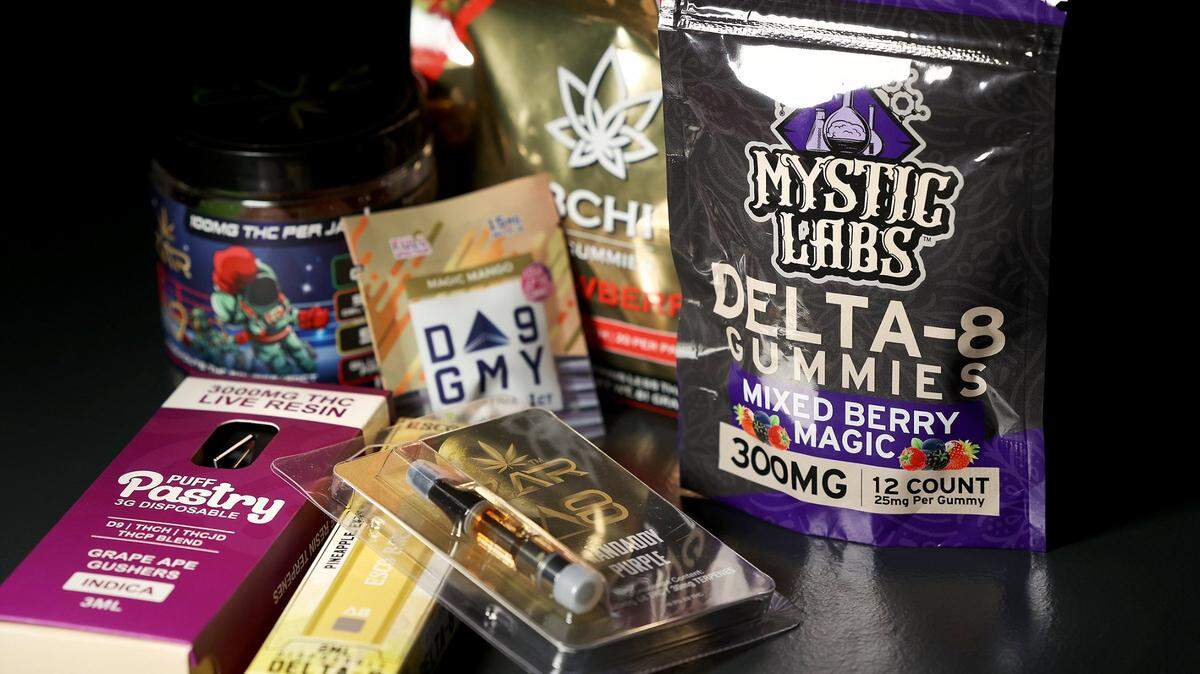
Lt. Gov. Dan Patrick is calling on the Texas Senate to ban all forms of consumable tetrahydrocannabinol — THC — such as Delta-8 and Delta-9 products.
The products can be found at cannabis specialty stores, smoke shops and convenience stores across the state, but Patrick, who heads the Senate, said in news release late Wednesday, Dec. 4., that shouldn’t be the case.
THC is the chemical in marijuana that produces a high. Consumable THC products rose in prominence after a 2018 federal law was passed allowing farmers to grow hemp. Texas in turn passed a state-level version, 2019’s House Bill 1325, allowing for the production and regulation of hemp.
Hemp and marijuana are both forms of the cannabis plant, but legally hemp has a Delta-9 THC concentration below 0.3% by dry weight and is legal, including in the form of consumable products like gummies and seltzers. Anything above that is classified as illegal marijuana.
There have been reports of the consumable products containing THC testing above the legal limit for THC, technically making it marijuana. When the Star-Telegram tested 11 products bought in Fort Worth area stores using an at home testing kit for a 2023 article, two results indicated possible marijuana.
Patrick said in his Dec. 4 statement that products in communities across Texas have “three to four times the THC content which might be found in marijuana purchased from a drug dealer.”
“Dangerously, retailers exploited the agriculture law to sell life-threatening, unregulated forms of THC to the public and made them easily accessible,” Patrick said in the statement. “These stores not only sold to adults, but they targeted Texas children and exposed them to dangerous levels of THC.”
Patrick said the legislation will be carried by Sen. Charles Perry, a Lubbock Republican, and will have bipartisan support in the Senate. Perry sponsored the 2019 hemp bill in the Senate.
“I trust the House will also see the danger of these products and pass this bill with overwhelming support so it can become law immediately,” Patrick said.
A spokesperson for House Speaker Dade Phelan did not immediately return a request for comment.
A lawsuit over the legality of Delta-8 is playing out in court.
The text of Senate Bill 3 for the coming legislative session was not immediately available online. Perry authored a proposal similar to the one Patrick is describing in 2019, but it did not get a committee hearing.
The issue has been examined by lawmakers during the interim. Patrick tasked lawmakers with examining “the sale of intoxicating hemp products in Texas,” making “recommendations to further regulate the sale of these products,” and suggesting “legislation to stop retailers who market these products to children.”
Members of the hemp industry have advocated for regulation of products over an outright ban.
Texans for Responsible Marijuana Policy, an advocacy group, said it shares concerns about “youth access and potentially dangerous products sailing under the radar of regulators” but opposes “banning cannabis for responsible adult use.”
“Such a ban would hand this multi-billion dollar industry over to the illicit market, abandoning all opportunity to properly regulate the industry,” a statement from the organization reads. “Banning THC would be harmful to our state’s commitment to public health and safety. Like much of the industry, we welcome reasonable regulations like age restrictions to keep THC products away from young people. We also support better guidance for packaging and advertising, consistent testing standards for in and out-of-state products, and most importantly, we support effective regulatory oversight by empowering the Department of State Health Services to enforce rules already on the books.”
This story was originally published December 5, 2024 at 11:39 AM.