There’s a legal weed sold in Texas. But can you get in trouble for smoking it?
READ MORE
Marijuana in Texas
All the news you need to get by about gettin’ high in the Lone Star state.
Expand All
When it comes to weed, what’s legal and what’s not in Texas can literally mean differences measured in traces of tetrahydrocannabinol or THC.
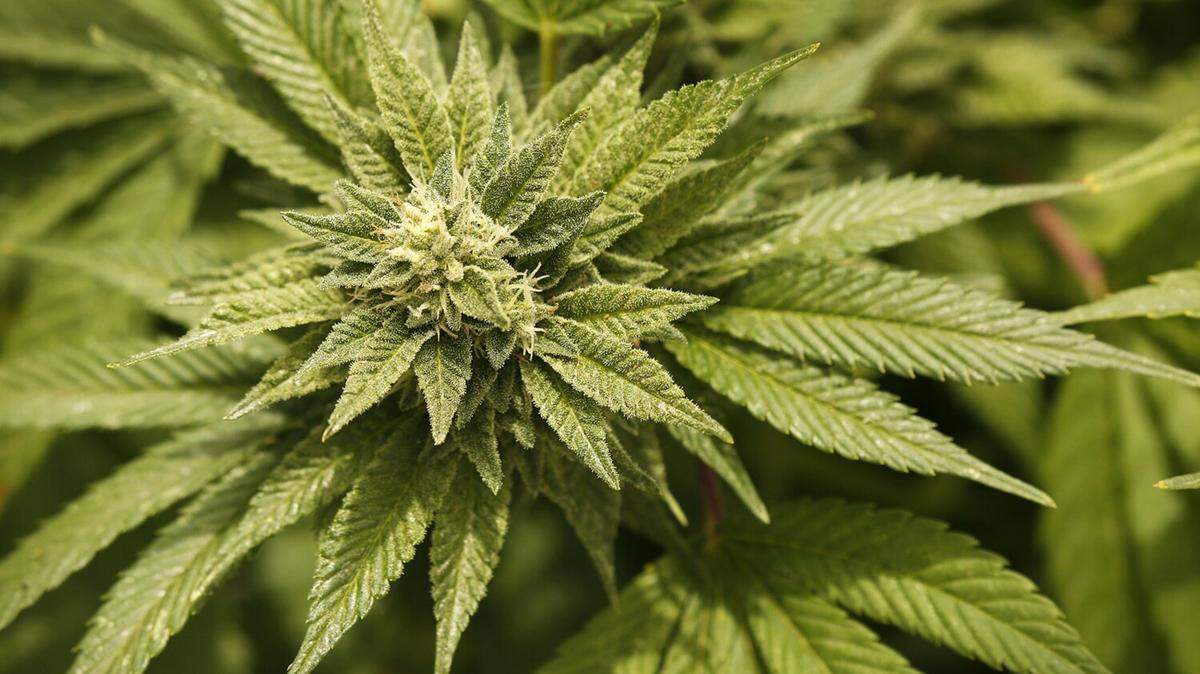
Both hemp and marijuana have THC. Hemp is legal, while marijuana is not. Delta-8 THC can be processed from hemp. Marijuana also contains delta-9 THC. This is where the law measures legality in trace amounts.
Both substances are even derived from the same species of plant — cannabis sativa. So why are recreational delta-8 products legal in Texas, but marijuana is not? Here’s what we know.
DID YOU KNOW?: Puedes leer o enviar esta historia en español. Lee nuestra sección La Estrella aquí.
What weed is legal in Texas and what’s not?
Marijuana laws in Texas differ from recreation and medical use, but one kind of cannabis is legal and available in most major cities.
Texas does allow for medical marijuana use limited for those experiencing epilepsy, seizure disorders and several other medical conditions. However, recreational marijuana use is still illegal, even if someone brings it over the Texas border from a state where weed is legal.
How are hemp products legal, but not marijuana in Texas?
It all started when federal lawmakers passed the Farm Bill in 2018, allowing farmers to grow hemp.
Texas lawmakers followed suit and Gov. Greg Abbott signed House Bill 1325 into effect in 2019, allowing the production and regulation of hemp, which comes from the cannabis sativa plant.
Hemp is known for it’s strong fibers which can be used in products from building materials and textiles, to clothing and cosmetics, according to USA Today. Back in the 1940s, Ford Motor Company head — Henry Ford — even produced a concept car out of the multi-use plant.
While hemp can be used for industrial methods, it’s also used for medicinal purposes. Cannabidiol or CBD is derived from hemp and can be incorporated into foods or as oil or a salve to apply to one’s skin. The process starts with extracting CBD from the plant, which is then diluted with coconut oil or hemp seed.
CBD from hemp can be processed to produce concentrated amount of delta-8 THC, according to the U.S. Food and Drug Administration. Because hemp is legal in Texas and delta-8 is derived from the plant, delta-8 is legal in the Lone Star State if its THC content doesn’t exceed 0.3%.
What form does delta-8 come in?
Delta-8 THC, which is processed from CBD in hemp, is added to edible gummies, vapes, tinctures, smokable flowers and even hard seltzer.
Many CBD shops in most Texas cities sell delta-8 products in a variety of forms and costs. Some gas stations in Texas have gotten in on the action.
However, wherever Texans buy delta-8 in the Lone Star State, they have to be at least 21 years old.
What’s the difference between delta-8 and delta-9?
Delta-8 THC is processed from hemp. Delta-9 THC is stickier to brain receptors giving users that psychoactive high.
Both substances offer similar medicinal and psychoactive effects. A majority of delta-8 THC products are synthesized and extracted. Delta-9, a more potent form of THC, is present in marijuana plants. Delta-9 is added to edibles, oils and other methods of consuming it.
Delta-8 THC is about one-third less potent than its counterpart in delta-9, according to Forbes. Both delta-8 and delta-9 are legal in Texas at this time.
When does possession of delta-8 in Texas become illegal?
When the substance contains more the 0.3% THC in it.
Only delta-8 products with less than 0.3% THC are legal to possess in Texas. Anything over 0.3% and you could face charges of drug possession, according to the Doug Murphy Law Firm.
Texas has six different levels of penalties tied to illegal substances, including synthetic cannabinoid (both delta forms) products. The penalties include:
- Less than one gram — State jail felony with a maximum fine of $10,000 and 180 days to two years incarcerated.
One to four grams — Third-degree felony with a maximum fine of $10,000 and two to ten years incarcerated.
Four to 400 grams — Second-degree felony with a maximum fine of $10,000 and two to 20 years incarcerated.
400 grams or more — First-degree felony with a maximum fine of $50,000 and five to 99 years incarcerated.
This story was originally published April 10, 2023 at 11:13 AM.