
Confused by Fort Worth’s propositions on the ballot? We explain the legalese
READ MORE
Voter guide
Fort Worth and Arlington city and school board voter guide.
Expand All

The 2022 bond package is the largest in Fort Worth’s history with the largest chunk of money dedicated to building or fixing roads.
Roughly two thirds of the $560 million bond package will go to improving major arteries in far north Fort Worth, fixing neighborhood streets mostly within Loop 820, and addressing safety concerns on roadways with high numbers of traffic accidents.
This year’s bond package also puts a significant investment into building pools and improving outdoor spaces. Pools have been less of a priority for residents historically, Parks Department director Richard Zavala said, but with Forrest Park Pool nearing the end of its usable life, residents have called for a greater public investment in aquatics.
The charter amendments are mostly technical with the exception of Proposition F, which would raise the mayor and council members’ pay by more than 200%. Mayor Mattie Parker defended the proposition, saying the current pay rate acts as a barrier to residents who may be interested in serving on the City Council.
Here’s a look at the bond propositions and city charter amendments residents will be voting on in the May 7 election. Early voting starts April 25.
Bond measures
Proposition A | Streets & Pedestrian Mobility Infrastructure | $369,218,300
Most of this money would go toward arterial projects in far north Fort Worth, including West Bailey Boswell and Bonds Ranch Road. Theses areas have seen significant growth and residents have struggled with increased traffic and safety concerns for children walking to school.
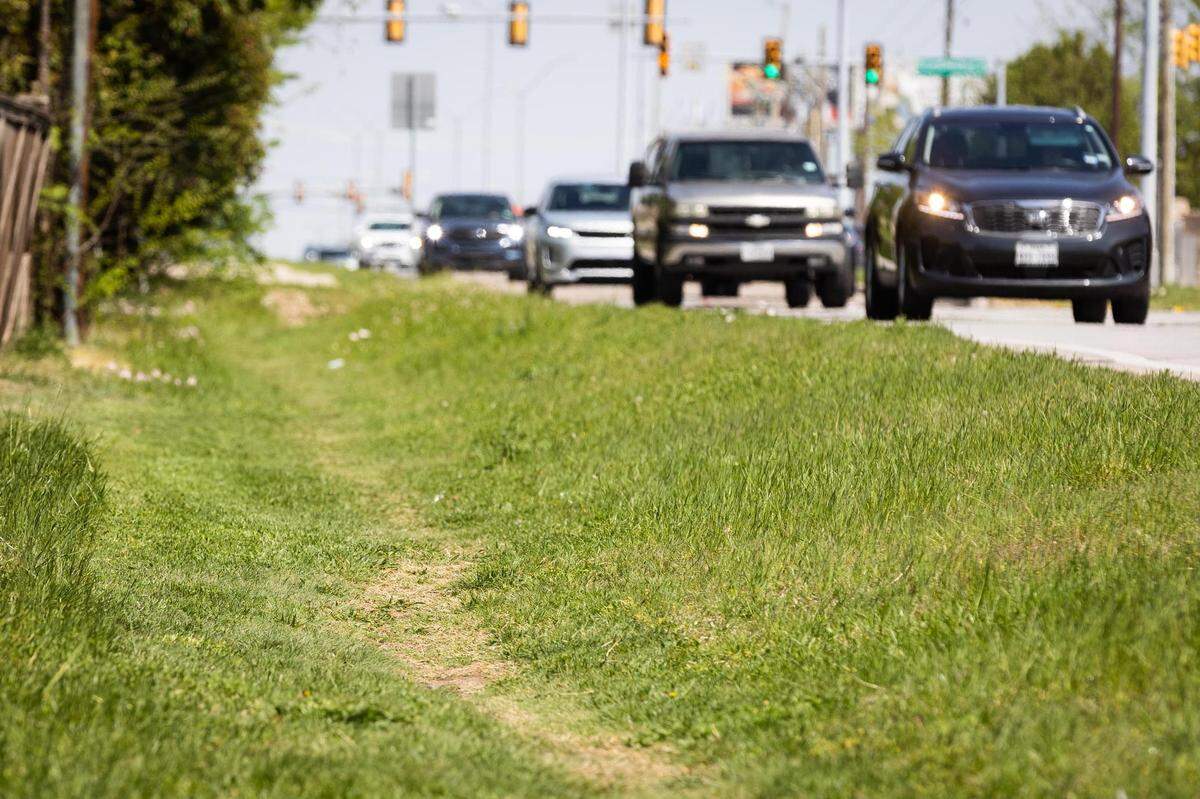
The second biggest investment will be for neighborhood streets, with $81 million dedicated to repairing or replacing deteriorating asphalt and concrete in neighborhoods mostly inside Loop 820.
Proposition B | Park & Recreation Improvements | $123,955,500
There are 16 projects listed in this bond measure, but the two that have gotten the most attention have been the Forrest Park Pool replacement and the Stop 6 aquatics center. Residents balked at plans for Forrest Park pool that would have halved the size of the existing pool and pushed the city to reconsider its design.
The bond also allocates $5.5 million to develop eight neighborhood parks spread across the city. The parks will be build on undeveloped city owned land and could include amenities like playgrounds, bike and walking trails and practice fields for youth sports.
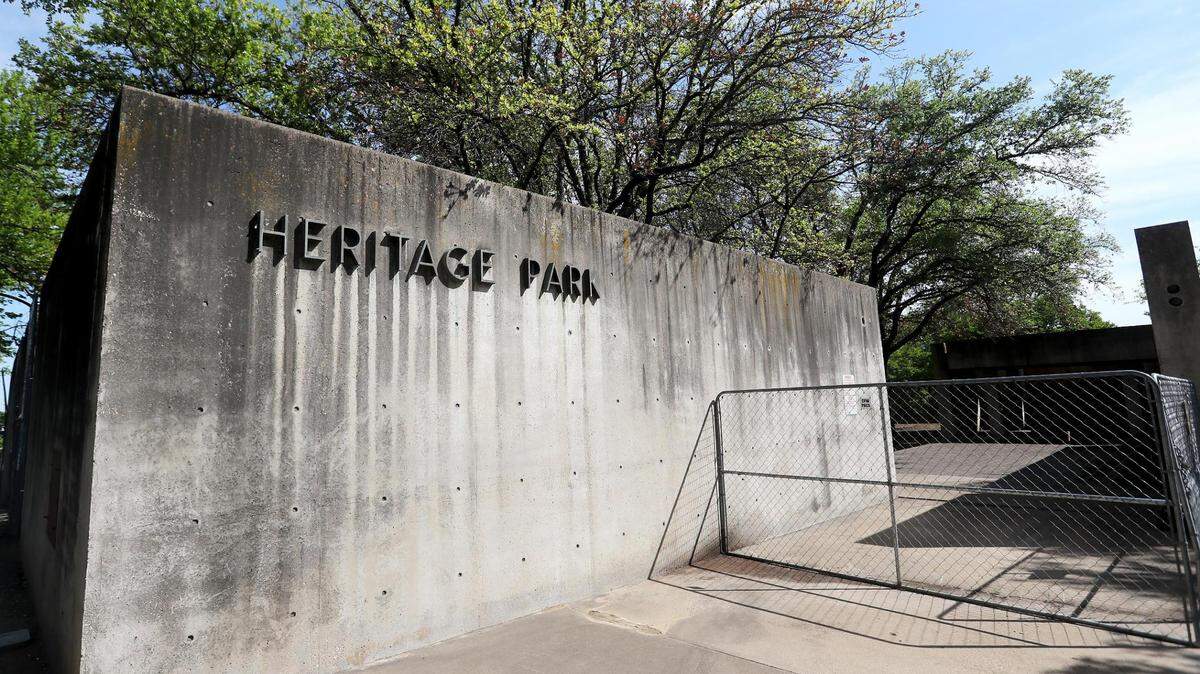
Heritage Park downtown would be restored and improvements would increase the public space down the bluff to the Trinity River.

Proposition C | Public Library Improvements | $12,505,200
This bond will fund the purchase of land, design and construction of a new library in far north Fort Worth. The city is looking at land near the intersection of Avondale-Haslet Road and Sendera Ranch Boulevard, according to a March 24 bond education meeting organized by the city of Fort Worth.
Proposition D | Police and Fire Safety Improvements | $39,321,000
This proposition will fund the land acquisition, design and construction for two temporary fire stations and one new police station. The fire stations are in Walsh and far north Fort Worth.
The police station will consolidate the Northwest Patrol Division into one building at 3900 Angle Ave. Currently, the division pays around $151,000 annually to rent facilities in the Stockyards, downtown, and near the Hemphill corridor, according to according to a March 24 bond education meeting organized by the city of Fort Worth.
Proposition E | Open Space Conservation | $15,000,000
This proposition will help the city buy more land to conserve Fort Worth’s natural landscapes and potentially develop them in the future into parkland.
Fort Worth charter amendments
Proposition F | Mayor and Council Pay
This amendment would raise council pay by indexing it to the pay of city department and assistant department heads. The mayor will make half the average annual pay of all city department heads, and the city council members will make half the average annual pay of all city assistant department heads.
That translates to roughly $100,000 annually for the mayor and roughly $77,000 for council members. If approved, it would go into effect next fiscal year and cost taxpayers an estimated $484,469 for 2023 and $587,923 for 2024 after the council adds two new members.
This also eliminates the need for council to go to the voters to get approval for a pay raise. Council pay will instead be set as part of the city budget and will go up or down based on the average pay of those department and assistant department heads.
Proposition G | Metes and Bounds for Districts
This proposition eliminates the requirement for the city to use “metes and bounds” to describe the borders of city council districts. These are legal land descriptions that use natural landmarks like trees, streams and rivers to describe the boundaries of a piece of land.
It doesn’t mean the city can’t use metes and bounds to describe the boundaries of council districts. It just eliminates the requirement to do so.
Proposition H | Post termination hearing
Right now city department heads, the city secretary, attorney and auditor have a right to a public hearing before the city council if they get fired. There’s another provision in the charter that prevents the council from interfering with the city manager’s management of city employees.
This means if a department head, city attorney, auditor or secretary requested a public hearing after being fired, the council technically couldn’t do anything about it. This amendment cleans up the charter by eliminating that right for that hearing.
Proposition I | Time to Review Petitions
This amendment extends the time the city secretary has to review petitions for completeness from 10 to 25 days. The extra time will help the secretary’s office not have to hire temporary staff to review citizen petitions to meet the 10 day time frame.
Proposition J | Tax Assessment and Collection
This deletes references to the city’s finance department in the part of the charter that talks about local tax collection, because the county handles that.
Proposition K | City Health Department
This amends the city charter to eliminate the requirement for the city to have a public health department. Like tax collection the county handles public health now, so this amendment edits the charter to reflect that.
Proposition L | Newspaper Notice – Sale of Property
If the city is selling a property worth $125,000 or more it has to advertise it in the Star-Telegram four times. This amendment eliminates that requirement. Instead the city has to advertise it once, and keep it posted online for four weeks.
Proposition M | Paying for Sidewalks and Curbs
This amendment eliminates the requirement for the city to charge property owners for the cost of building a sidewalk abutting their property. This brings the charter into alignment with the current practice of the city itself paying for sidewalk and curb construction.
Proposition N | Timing of assessment roll
This amendment eliminates references to certain dates tax assessors have to report certain data to the city. It replaces the dates with deadlines to make the city charter align with requirements in Texas state law.
Proposition O | Public service corp reports
This amendment eliminates the need for public service corporations to file annual reports to the city.
Proposition P | Official advertising contract
This allows the city to sign long term advertising contracts for certain newspaper advertisements that are required by law (public hearings, land sales, etc.) instead of negotiating the contracts annually. This eliminates the need for the city to put out the advertising contract to bid and go through a lengthy process.
Proposition Q | Annexation Elections
This deletes outdated references to specified polling hours and the mayor setting polling locations for annexation elections. Instead, the charter will require annexation elections to be held in accordance with state law.
Proposition R | Independent Auditors
This amendment defines the duties of independent financial auditors and eliminates the requirement for them to print copies of their report.
.jpg)