How has Tarrant County spent opioid money? We’re tracking where the dollars went
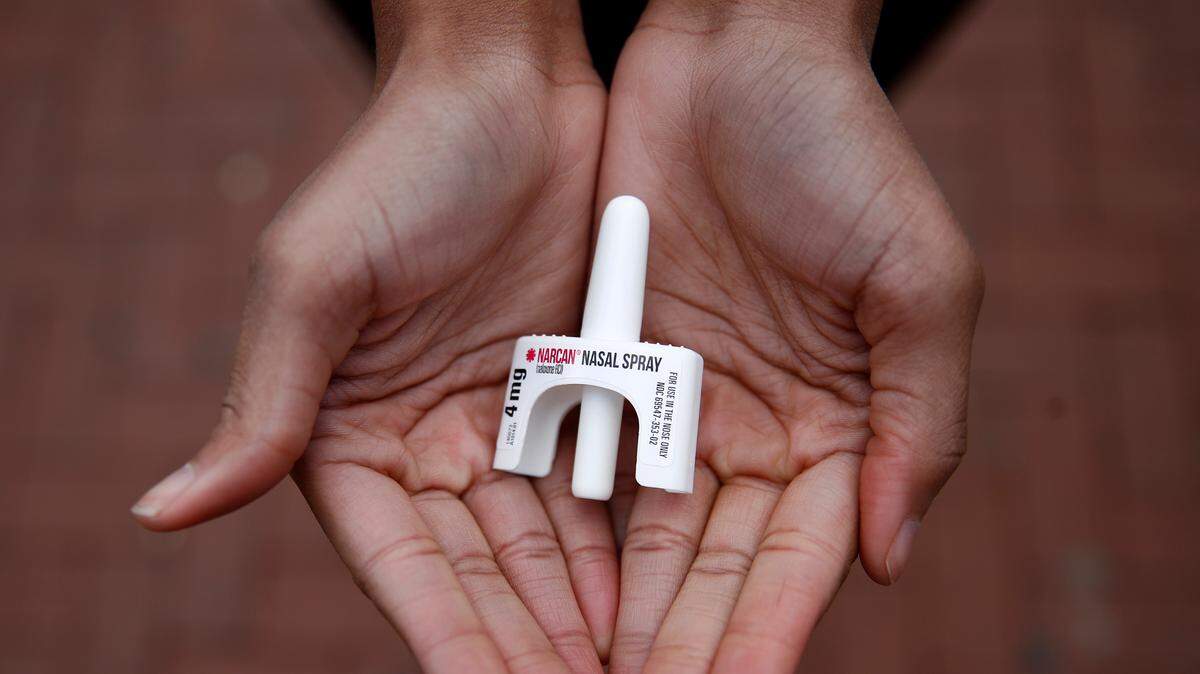
Tarrant County hasn’t spent most of the $5.6 million it has been allocated as part of the opioid lawsuit settlements.
The distributors and manufacturers were accused of enabling the opioid crisis in the U.S. by delivering massive quantities of prescription opioids to pharmacies, hospitals, and doctors’ offices. The companies did not admit to any wrongdoing as a part of the settlement.
This settlement is the result of one of thousands of lawsuits that have been filed nationwide against companies that developed, advertised or distributed prescription opioids. The bulk of the money comes from a settlement against Cardinal, McKesson, and AmerisourceBergen.
A spike in prescription opioids in the 1990s led to a public health crisis. More than 80,000 Americans died from an opioid-related overdose in 2023, and thousands more continue to suffer from opioid use disorder.
Of its opioid settlements, Tarrant County has disbursed about $2 million to local nonprofits, but those payments have left more than $3.2 million leftover in the opioid settlement fund. That pot of money will continue to grow, as more payouts are made to Tarrant County. All told, Texas will receive $3.3 billion over 18 years. The bulk of that money will go toward a statewide opioid abatement fund, while 15% of the total will go to cities and counties.
The Star-Telegram interviewed three experts about best practices for spending the opioid dollars. Tarrant County officials did not respond to requests for comment about how opioid dollars have been or will be spent. Documents released to the Star-Telegram through the Texas Public Information Act show that the majority of the opioid settlement funds remain untouched.
At least 475 people died in Tarrant County from drug overdoses in 2023, according to data from the Department of State Health Services.
The money should go toward people with opioid use disorder
First and foremost, the money should go toward people who need treatment for opioid use disorder, said Stephen Patrick, a professor at Emory University and an expert on opioid use disorder.
“It’s still really hard to get treatment in most communities,” Patrick said. Treatment like methadone and buprenorphine is still very difficult for many users to find, but opioid settlement dollars should go toward connecting those suffering with the resources they need, Patrick said.
“Treatment works and recovery is possible,” Patrick said.
Don’t use opioid settlement to supplant funding
Experts discouraged using the opioid settlement money to supplant existing funding, as Tarrant County has done.
“You’re just sort of shifting around money,” Katie Harris, a drug policy expert at Rice University’s Baker Institute for Public Policy, said. “Even if the programming is relevant to the overdose crisis, at the end of the day, you’re not expanding services.”
“What we really discourage is supplantation,” said Abigail Winiker, an assistant scientist at the Johns Hopkins Bloomberg School of Public Health. “It eliminates the additive nature of these funds, and goes against why this money was secured in the first place.”
Tarrant County has used the opioid funding to supplant contracts with One Safe Place, SafeHaven, Alliance for Children, ACH Child and Family Services, and MHMR.
Involve the community in decisions how to spend settlement
Experts discouraged a top-down approach to deciding how to spend the money, and recommended involving people with opioid use disorder be involved in decisions on how to spend it.
For communities that haven’t yet created a strategy or sought community feedback, “it’s time to get going,” Harris said.
Counties like Tarrant County “have a really great opportunity to be really thoughtful in setting up processes that enable them to … meet the intent of these settlement funds, which is, of course, to save lives and support the members of their community who’ve been most harmed by the crisis,” Winiker said. Winiker also recommended that counties have a data dashboard or reporting requirement in place, which Tarrant County does not currently have.