Tarrant County will get millions from opioid settlements. Here’s how it can be spent
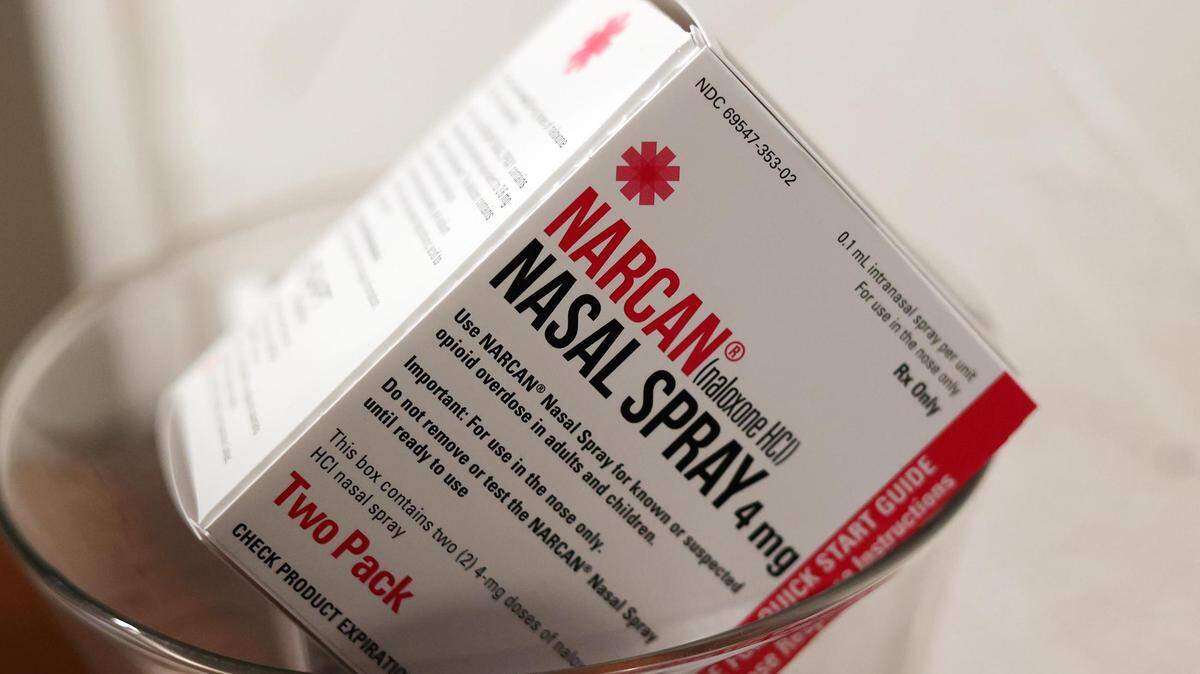
Tarrant County will receive $8.4 million in a settlement from a lawsuit against three opioid distributors.
County commissioners voted to accept about $2.2 million last week. The remaining $6.2 million will be distributed over the coming months and years, according to the settlement agreement.
County officials have not yet decided how they will use the money.
“Currently there are no specific plans for those settlement funds,” Ruth Ray, the communications and policy director for Judge Tim O’Hare, said in an email. “They will be placed in the general fund and their use will be determined during the budgeting process.”
In addition to the $8.4 million going directly to Tarrant County, the region will benefit from millions more that will be distributed via grants to pay for prevention and harm reduction programs.
The money comes from the $1.167 billion the state will receive through a settlement with three pharmaceutical distributors: Cardinal, McKesson, and AmerisourceBergen. The distributors were accused of enabling the opioid crisis in the U.S. by delivering massive quantities of prescription opioids to pharmacies, hospitals, and doctors’ offices. The companies did not admit to any wrongdoing as a part of the settlement.
This settlement is one of thousands that have been filed nationwide against numerous companies that developed, advertised or distributed prescription opioids. A spike in prescription opioids in the 1990s led to a public health crisis. More than 80,000 Americans died from an opioid-related overdose last year, and thousands more continue to suffer from opioid use disorder.
The money Tarrant County will receive directly from the settlement is a relatively small portion of the overall $1.167 billion pot. Other counties, cities, and hospital districts will also receive direct allocations.
The direct allocations are “no strings attached,” said Rebecca Phillips, a senior attorney with The Lanier Law Firm, which represented Tarrant County in the settlement.
Although these funds are not required to be spent on treating or preventing drug use, advocates in Texas and across the nation have urged state and local governments to funnel the money on the people who have suffered most from the opioid crisis, and toward preventing future deaths.
“A county putting the money into a general fund isn’t necessarily bad, depending on how they spend it,” said Katie Harris, a fellow in drug policy at Rice University’s Baker Institute for Public Policy. “For example, if they were going to use some of that money on developing housing, to me that is a much more comprehensive view of drug use and addiction.”
Because the funding that goes directly to municipalities does not have requirements on it, there is more leeway for it to be used to pay for a comprehensive response to drug and alcohol use disorder, and to prevent it from developing in the first place.
Most of the money from this settlement, however, will be funneled through the Texas Opioid Abatement Council, said Katherine Yoder, a vice president at Parkland Health and Hospital System and a member of the council. The council expects to distribute money via grants, and all of the money it distributes must be spent on treating opioid use disorder, preventing overdoses, and preventing opioid use in the first place.