Fort Worth, Tarrant County to get millions from opioid settlements. How they’ll use the money
Tarrant County and the city of Fort Worth expect to receive millions of dollars to reverse opioid overdoses and help get people into treatment through settlements from lawsuits against pharmaceutical companies and drug distributors.
Both county and city governments, as well as the JPS Health Network, have signed on to some of the numerous lawsuits that have been filed against opioid manufacturers, distributors and retailers. The lawsuits have accused the companies of facilitating and profiting from the opioid epidemic. Last year, more than 100,000 people died from drug overdoses. In all of the settlements, the drug manufacturers and distributors have denied wrongdoing or criminal liability.
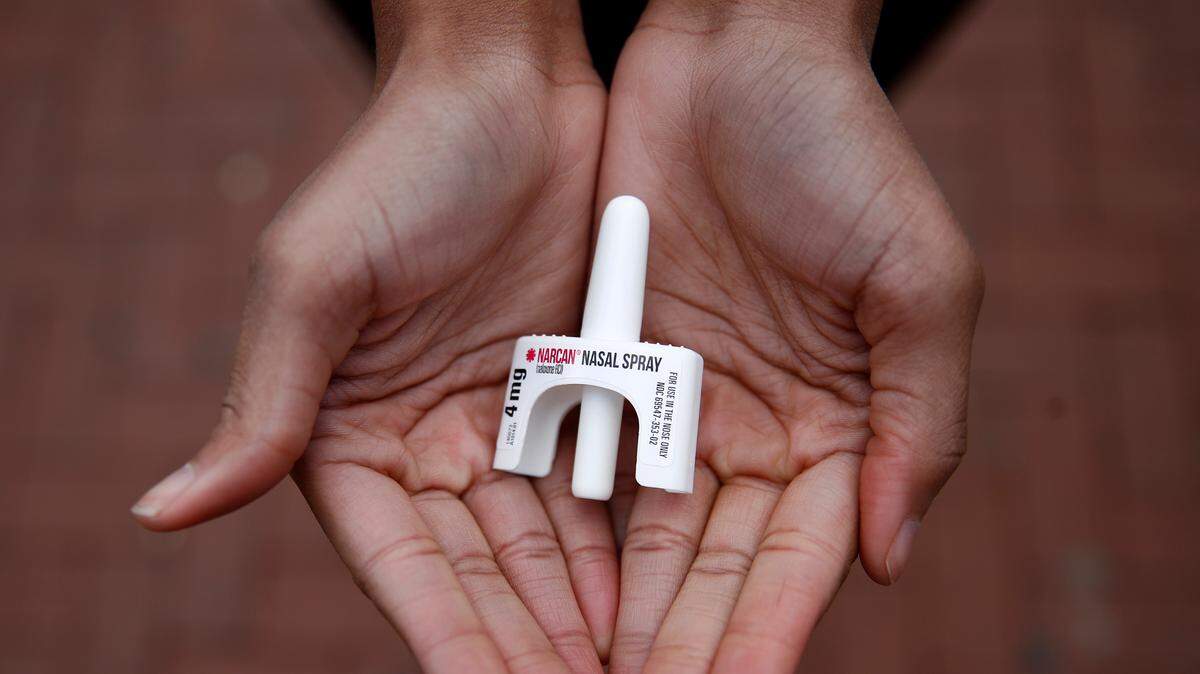
As the numerous lawsuits inch closer toward resolution, the state of Texas’ settlement with Teva Pharmaceuticals, a drug manufacturer and distributor, is expected to fund increased access to naloxone in the state of Texas. Naloxone, also known by the brand name of Narcan, can be used to immediately reverse an opioid overdose.
The drug is already widely used in Tarrant County, but the settlement could fund increased access to the drug for first responders, schools, and community centers so that bystanders can quickly respond to an opioid overdose and prevent it from being fatal.
Last month, the Texas attorney general announced a $225 million settlement with the company, including $75 million worth of Narcan.
Narcan: A ‘wonder drug’
Narcan is already widely used by first responders in Tarrant County. MedStar, which provides emergency medical services for Fort Worth and 14 other cities, has carried Narcan for decades, said MedStar spokesman Matt Zavadsky.
Zavadsky described Narcan as a “wonder drug,” putting it in a small class of drugs that can immediately reverse a patient’s symptoms, like Epinephrine for severe allergies and dextrose for diabetic patients.
Since March of 2020, MedStar responders have used Narcan at least 523 times for either intentional or unintentional overdoses, according to MedStar data. Narcan can be injected into the body like a shot or, more commonly, sprayed in someone’s nose.
For patients who overdosed on an addictive substance that is not an opioid, like alcohol, there is no comparable drug that be used.
All Fort Worth firefighters are trained to administer Narcan, said Fire Chief Jim Davis, and some of Fort Worth Police Department officers are trained to administer Narcan, according to a presentation from a department official last year.
But, Davis noted, Narcan is not a cure all for the opioid crisis. It functions like a bridge, by reversing the immediate effects of an opioid overdose and saving their life. But after getting Narcan, a patient suffering from opioid use disorder still needs access to treatment and support to recover from the disease.
“It’s a bridge to tomorrow, when hopefully somebody is able and ready to get the help that they need to deal with the addiction that they’re suffering,” Davis said.
Narcan “is a harm reduction strategy,” Alonzo said. “It’s not treatment, it’s live to fight another day.”
There are other settlements besides the one with Teva that are still being negotiated. Those settlements could address other aspects of the opioid crisis in Texas, like access to medications which can help people suffering from opioid use disorder and supportive therapy and programs that can allow them to lead healthy lives.
Tarrant County has also signed on to a settlement agreement with the opioid distributors McKesson Corp.; Cardinal Health Inc.; and AmerisourceBergen Corp. and to another settlement with Endo, said Anna Tinsley Williams, a spokesperson for the Tarrant County District Attorney’s Office.