‘Spectacular’ 1,500-year-old ivory box sat under church ruins in Austria — until now
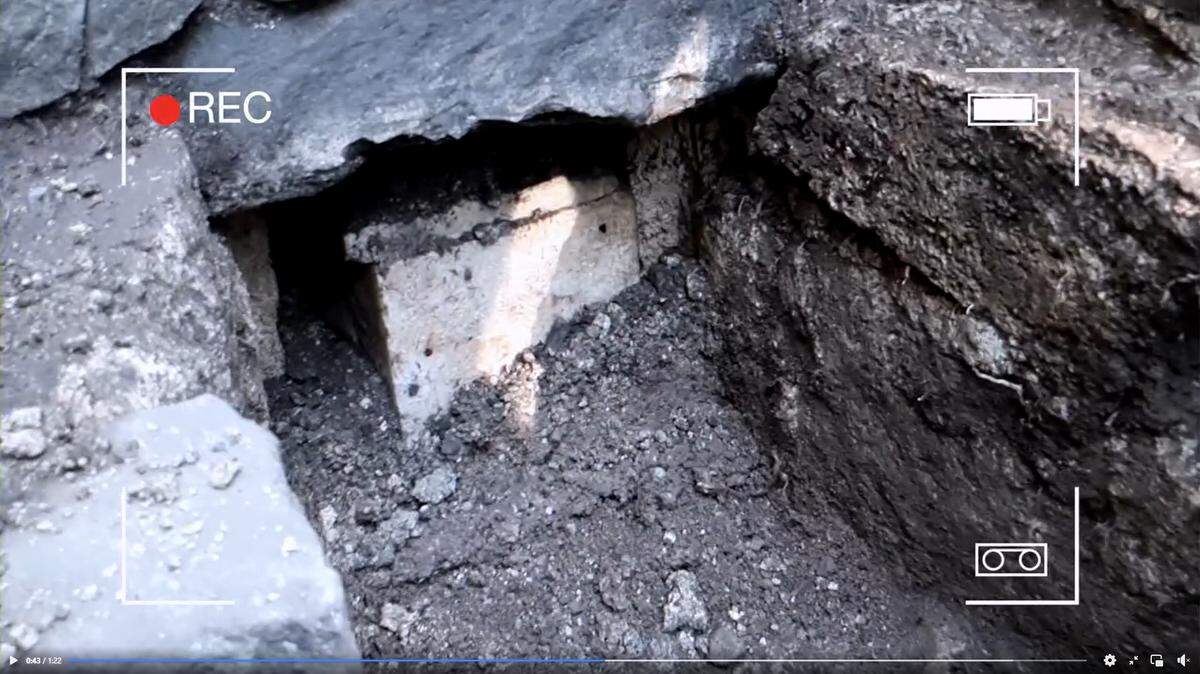
Sitting on the edge of a hole dug into the ruins of an ancient church in Austria, an archaeologist removed a rectangular brick and exposed a small underground chamber. Inside there was a marble box with a “spectacular” 1,500-year-old treasure.
Archaeologists began excavating the ruins of an abandoned settlement in Irschen eight years ago. The settlement was occupied from roughly 300 until 610 and later forgotten, the University of Innsbruck said in a June 25 news release.
Returning regularly to the hilltop site, archaeologists uncovered several dwellings, early Christian churches and many other artifacts.
During their 2022 excavation, researchers searched the ruins of a church. Buried under the altar, they found a “marble shrine” measuring about 8 by 12 inches and containing fragments of a 1,500-year-old ivory box.
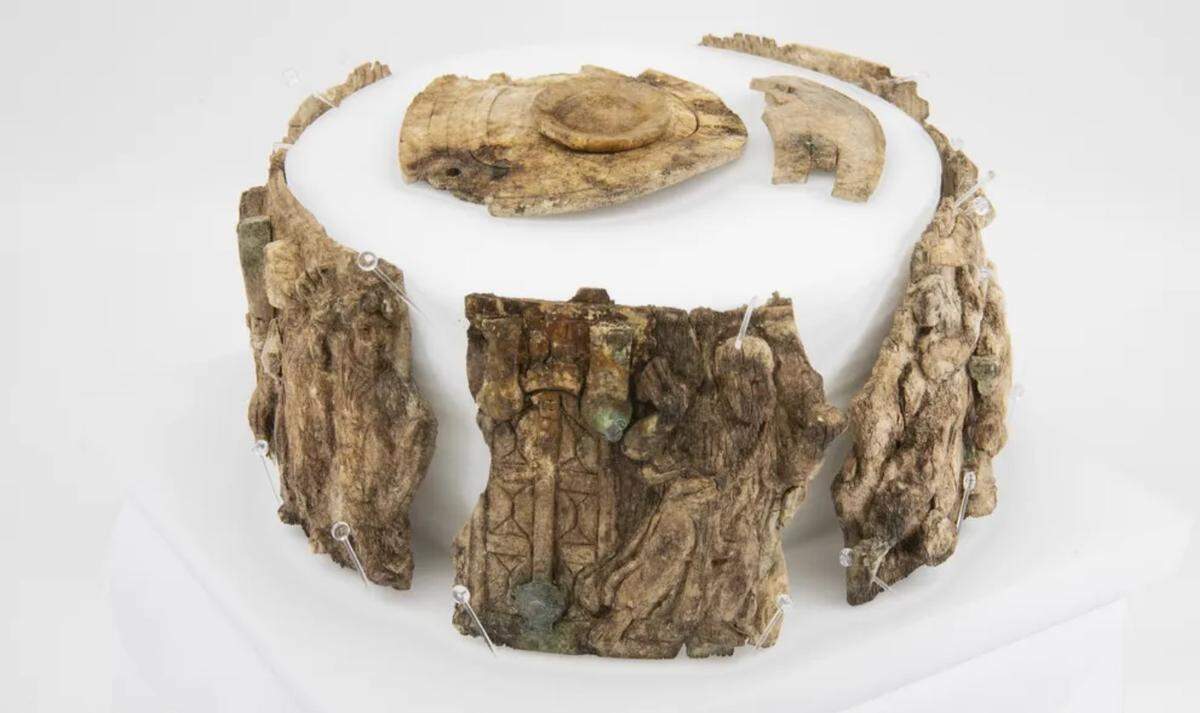
The “richly decorated” ivory box was a reliquary or special container used for holding holy artifacts. Normally, reliquaries are treated as “the ‘holiest’ part” of a church and taken when the building is abandoned. But this reliquary was left behind.
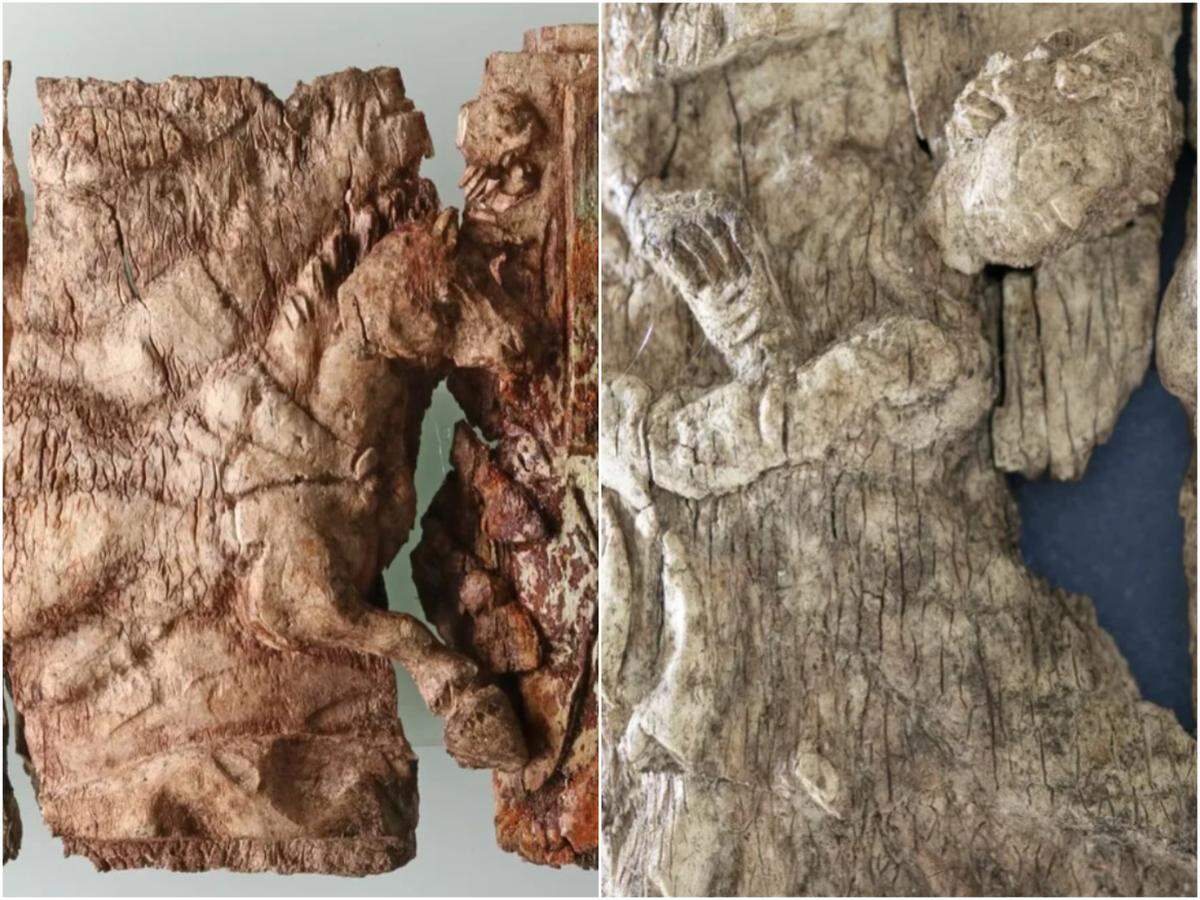
The ivory box, also known as a pyx, was broken during the ancient settlement’s lifetime. Photos show the “spectacular” cream-brown fragments. Experts identified several familiar biblical scenes carved on the box as well as some “very special and previously unknown” depictions.
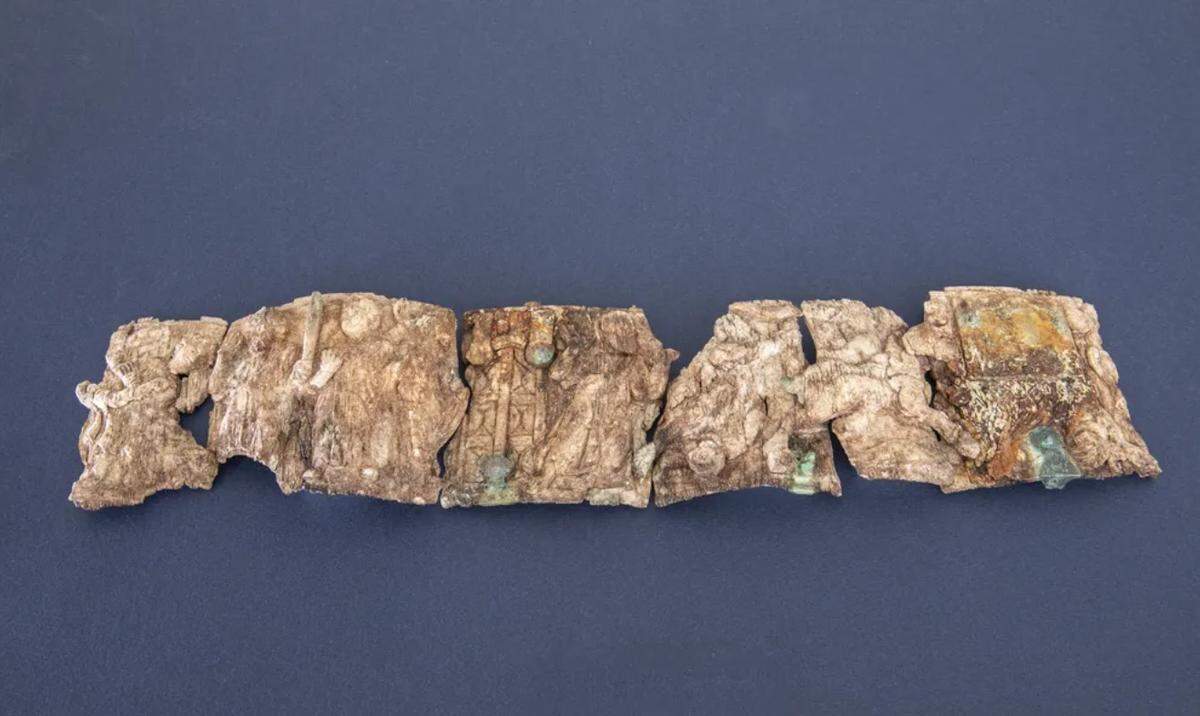
“The pyx was presumably also seen as sacred,” Gerald Grabherr, the lead archaeologist of the excavation, said in the release. “We know of around 40 ivory boxes of this kind worldwide and, as far as I know, the last time one of these was found during excavations was around 100 years ago.”
After uncovering the “very fragile” artifact, archaeologists moved the ivory box to a laboratory for a two-year-long conservation process.
“Ivory, especially ivory stored on the ground like in the marble shrine, absorbs moisture from its surroundings and is very soft and easily damaged in this state,” Ulrike Töchterle, the head of the university’s restoration workshop, said in the release.
The 1,500-year-old ivory was at “very high” risk of “condensation and (mold) formation,” Töchterle said. “The contents could not be allowed to dry out too quickly. Uncontrolled drying out can lead to shrinkage and cracks and thus to damage that can no longer be repaired. This meant we had to ensure a very careful and prolonged drying process.”
The university shared a video on Facebook showing the site in Irschen and the ancient ivory box.
Archaeologists plan to continue studying the ivory and examine several other unidentified wood fragments found with it.
Irschen is a roughly 230-mile drive southwest from Vienna and near the border with Italy.
Facebook Translate was used to translate the Facebook video from the University of Innsbruck.
This story was originally published June 26, 2024 at 10:38 AM with the headline "‘Spectacular’ 1,500-year-old ivory box sat under church ruins in Austria — until now."