Two mummies found buried together in ancient middle-class tomb. See the Egyptian site
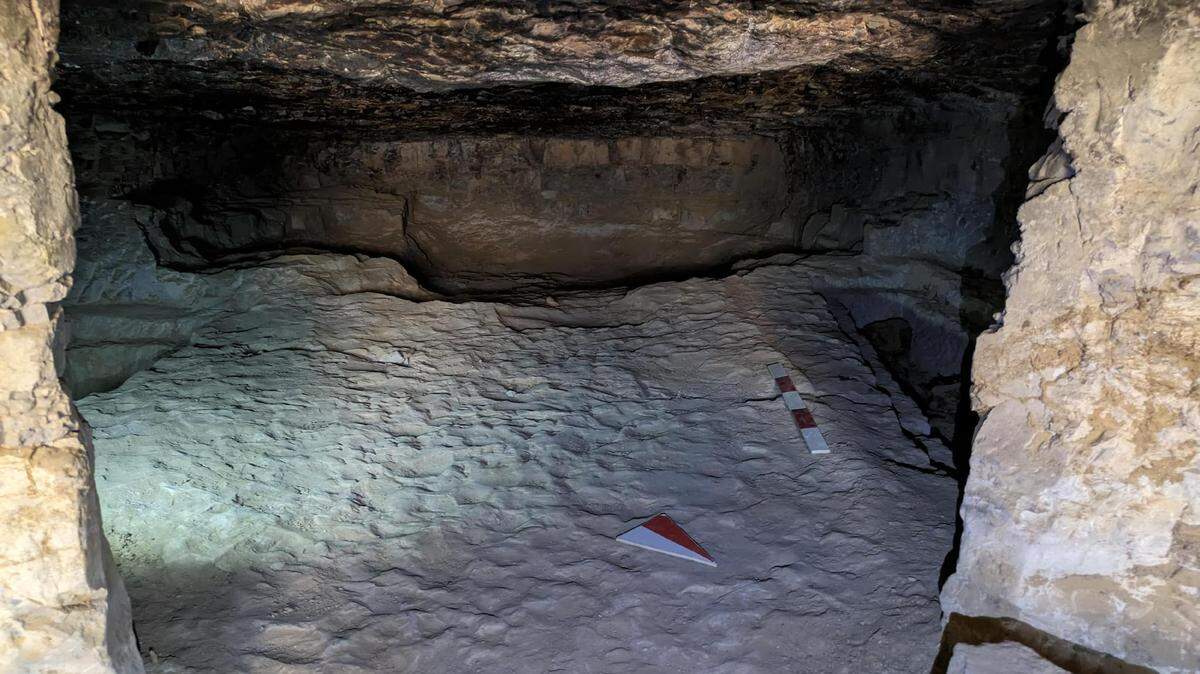
Exploring an ancient burial complex in southern Egypt, archaeologists unearthed dozens of tombs still filled with coffins, mummies and artifacts. A preliminary analysis of the remains reveals some ancient afflictions.
Archaeologists found the ancient cemetery in Aswan and dated it to the Greco-Roman period over 1,300 years ago, Egypt’s Ministry of Tourism and Antiquities said in a June 24 Facebook post. This period began around 332 B.C. when Alexander the Great occupied Egypt and continued until the fall of the Roman empire in the fifth century A.D.
Excavations focused on the middle-class portion of the burial complex and uncovered 33 tombs. The tombs varied in style with some having a vaulted entrance or an open courtyard and others being carved into the rock.
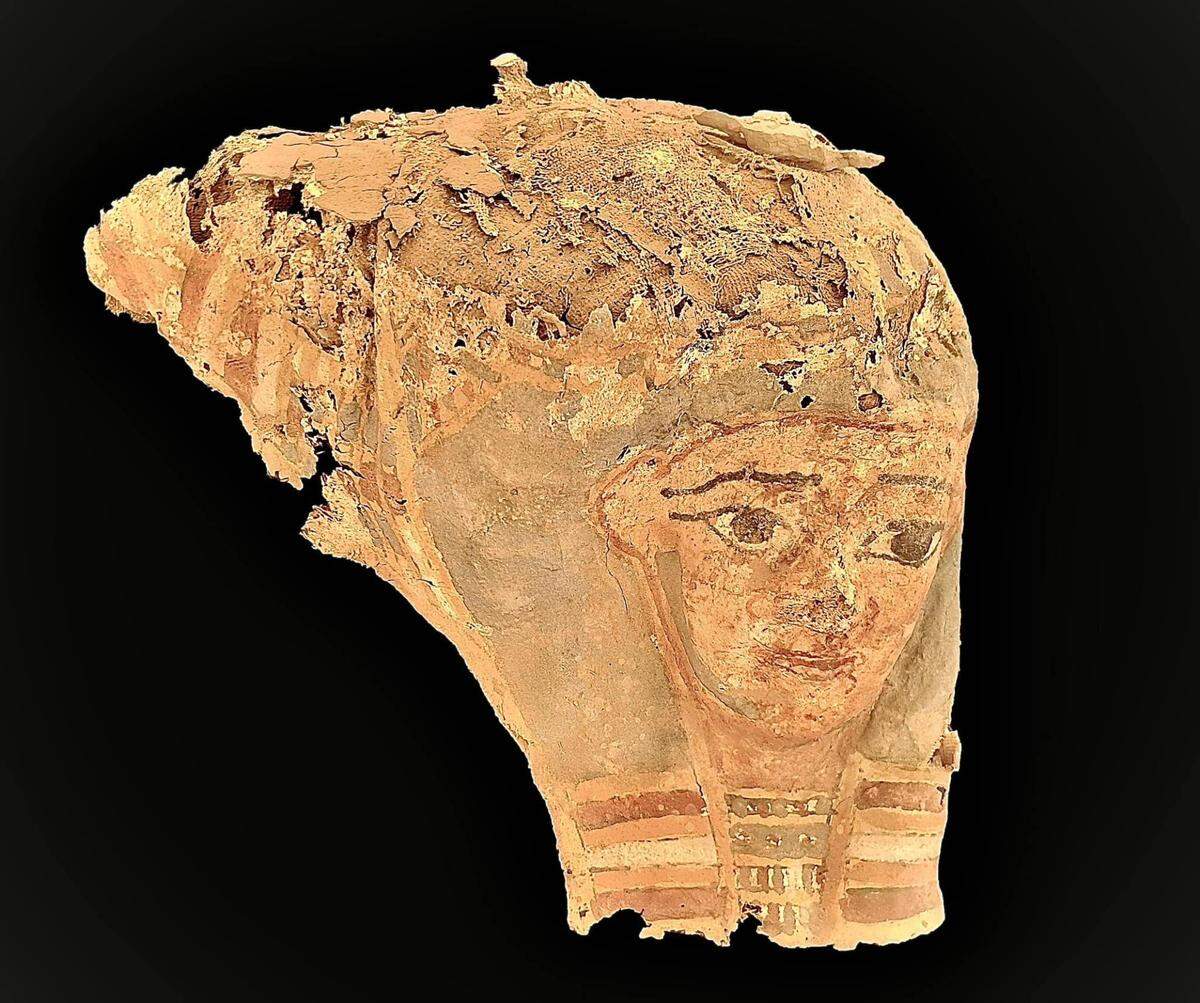
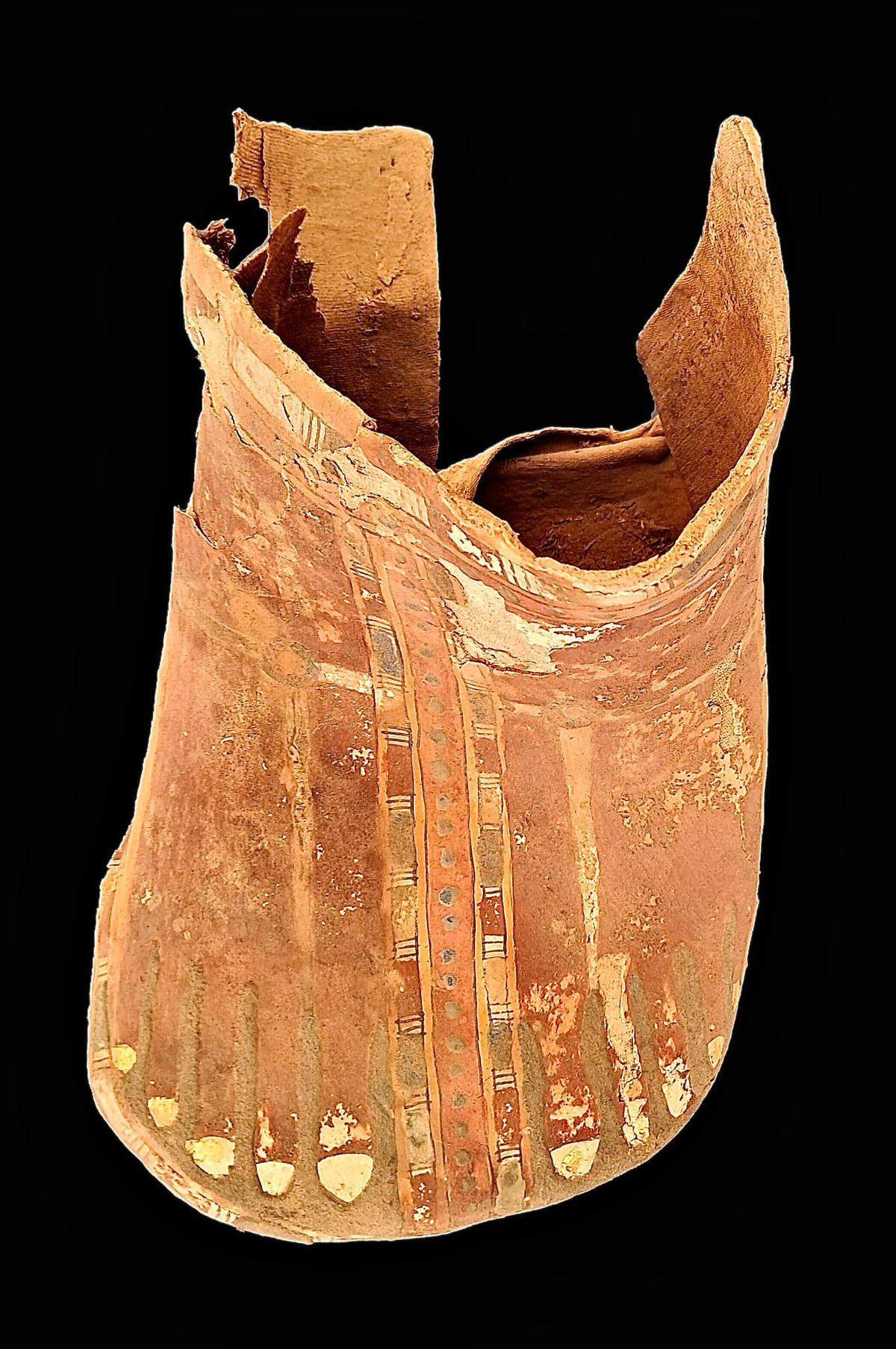
Inside, archaeologists found several mummies as well as tools used in funerals, clay figures, sacrificial tables and other artifacts. Photos show a few colorful artifacts found at the site.
A pair of mummies, likely an adult woman and roughly 2-year-old child, were buried together in a stone coffin, officials said.
A preliminary analysis of the mummies found evidence they suffered from contagious diseases such as tuberculosis, bone trauma such as amputation, bone disorders such as osteoporosis, as well as malnutrition, anemia and chest diseases.
Some mummies died as newborns or in their youth while others lived to adulthood.
Archaeologists plan to continue analyzing the ancient remains and excavating the site in Aswan.
Aswan is along the Nile River in southern Egypt and a roughly 500-mile drive southeast from Cairo.
Google Translate and Facebook Translate were used to translate the Facebook post from Egypt’s Ministry of Tourism and Antiquities.
This story was originally published June 24, 2024 at 10:18 AM with the headline "Two mummies found buried together in ancient middle-class tomb. See the Egyptian site."