What is a short-term rental? What to know about Airbnbs, Vrbos in Fort Worth neighborhoods
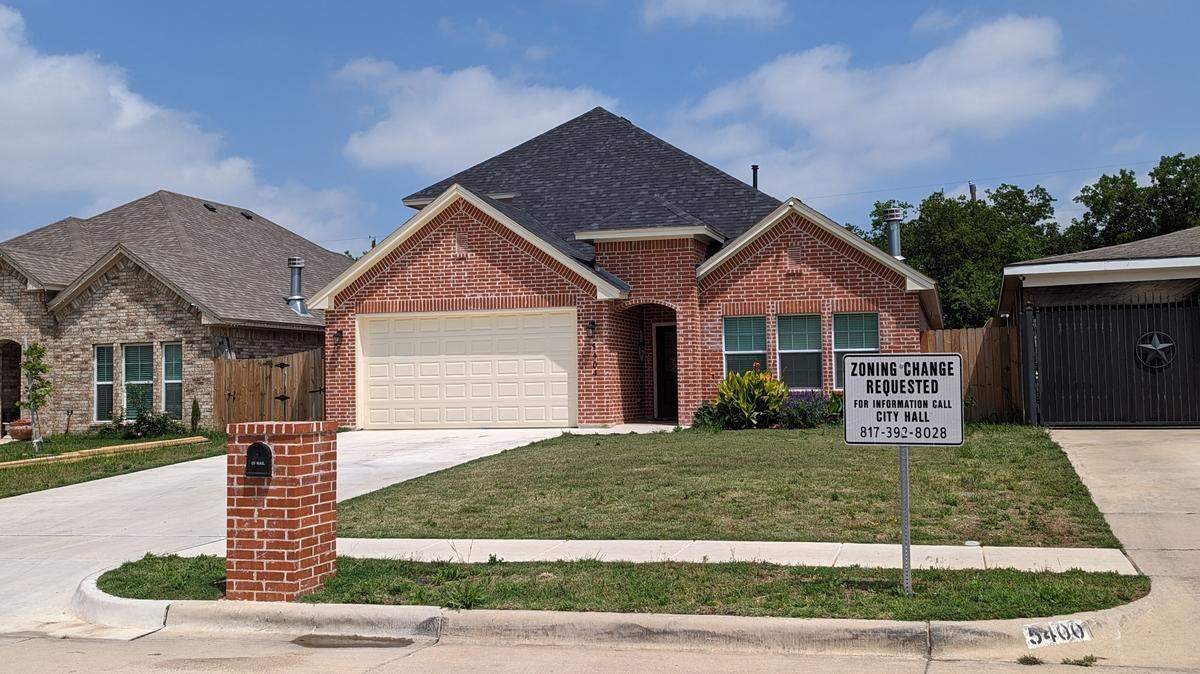
Three months since Fort Worth City Council adopted new registration rules for short-term rentals, cracking down on Airbnbs and Vrbos in neighborhoods remains easier said than done.
Since 2018, the city has required short-term rentals to be properly zoned — now the rentals also have to be registered and pay a tax.
Fort Worth residents have urged city officials to be proactive in cracking down on Airbnbs and Vrbos in neighborhoods, however the Code Compliance Department’s limited staff does not have the resources to seek and shut down every illegal short-term rental.
What is a short-term rental?
Short-term rentals are residential dwellings — houses, apartments or condominiums — available for rent for guest lodging for a period ranging from 1 to 29 days.
This includes homes or other dwellings listed on vacation rental websites Airbnb or Vrbo.
Can short-term rentals exist in residential neighborhoods?
Since 2018, the City of Fort Worth has required short-term rentals to be in specific zoning areas which prohibits short-term rentals in residential districts.
Short-term rentals are allowed in all mixed-use and most form-based, commercial, and industrial zoning districts, according to the City of Fort Worth.
Under the registration rules adopted this year, all short-term rentals must be registered with the city and are subject to the Hotel Occupancy Tax.
The rules adopted this year make it a violation to advertise without first registering with the city and enable code compliance to enforce regulations by comparing the registration rolls with online property listings.
Do short-term rentals in Fort Worth collect hotel tax?
All legal short-term rentals in Fort Worth must be registered and pay the Hotel Occupancy Tax.
The Hotel Occupancy Tax applies to every person or business that owns, operates, manages or controls any short-term rental in the city. Rental owners must collect seven percent of room receipts from their guests, report the collections and pay the tax to the City of Fort Worth.
Fort Worth’s Hotel Occupancy Tax goes toward the city’s Cultural and Tourism Fund.
Why do some Fort Worth residents oppose short-term rentals?
When Como resident Laura Tucker petitioned the city to rezone her four-bedroom, single family home in April, she was met with backlash from neighborhood residents.
Neighbors argued there would be no way to control what kind of groups come and go from the property, the Star-Telegram previously reported. Residents also worried how the change would impact their historic community.
Why do some residents want short-term rentals?
Tucker wrote in her application that she wanted to make her home a short-term rental until she’s able to permanently move back to the residence following a relocation. Tucker bought the house in March 2022.
She said she wanted to rezone the property as a short-term rental as opposed to listing it on the market because homes built in the community had been listed for several months.
How can you register your Fort Worth short-term rental?
Before registering, check that a short-term rental registration is allowed based on your property’s current zoning. This can be found using the CFW Permit Assist tool found on the City of Fort Worth’s website.
The permit assist tool will have a “Your project is allowed at this location” determination if a short-term rental is allowed at your property. Download the zoning confirmation and complete the Hotel Occupancy Tax and Short Term Rental Registration Form.
Zoning confirmation from the permit assist tool and the registration form can be emailed to treasuryRevenue@fortworthtexas.gov.
New applications are $150 and renewal applications are $100. The registration fee can be paid three ways:
- Check payment mailed: City of Fort Worth, PO Box 99005, Fort Worth, TX 76199-0005
- In-person payment: City of Fort Worth City Hall, Lower Level — Central Cashier, 200 Texas St., Fort Worth
- Credit card payment via phone call: 817-392-6665