
Why it takes so long for Fort Worth to build roads, and the city’s plan to speed things up
READ MORE
Fort Worth’s 10 worst traffic nightmares
Planners have been predicting growth in North Texas for decades. But without necessary funds for road improvements, congestion will only get worse.
Expand All
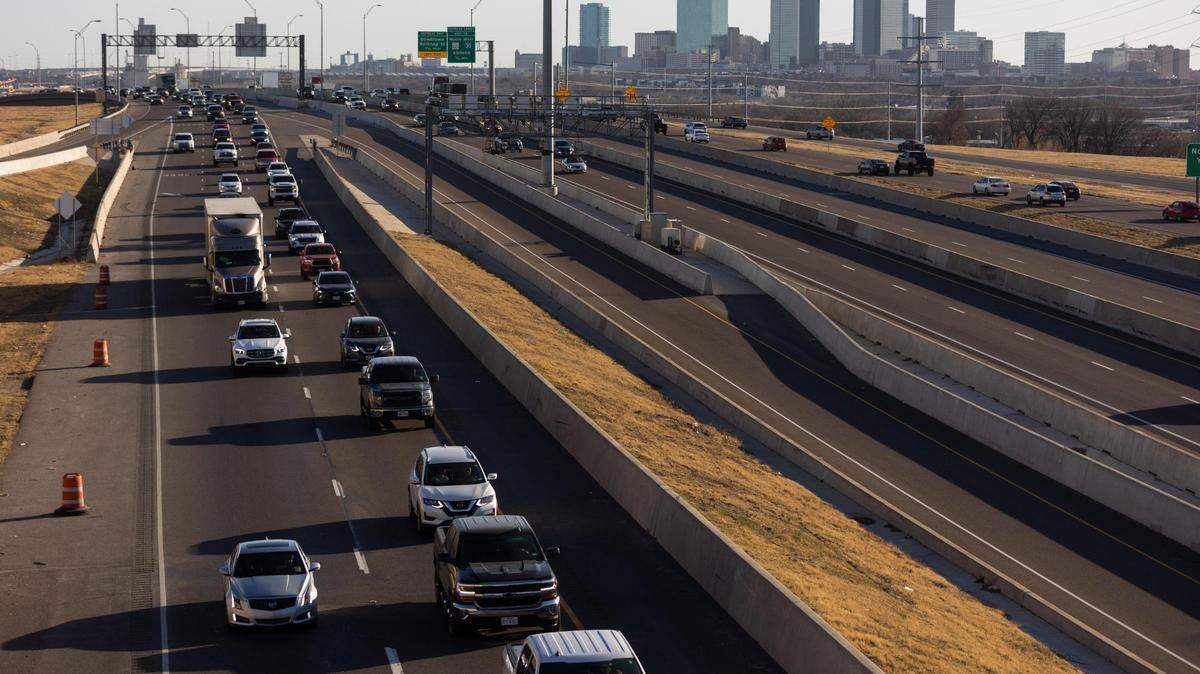
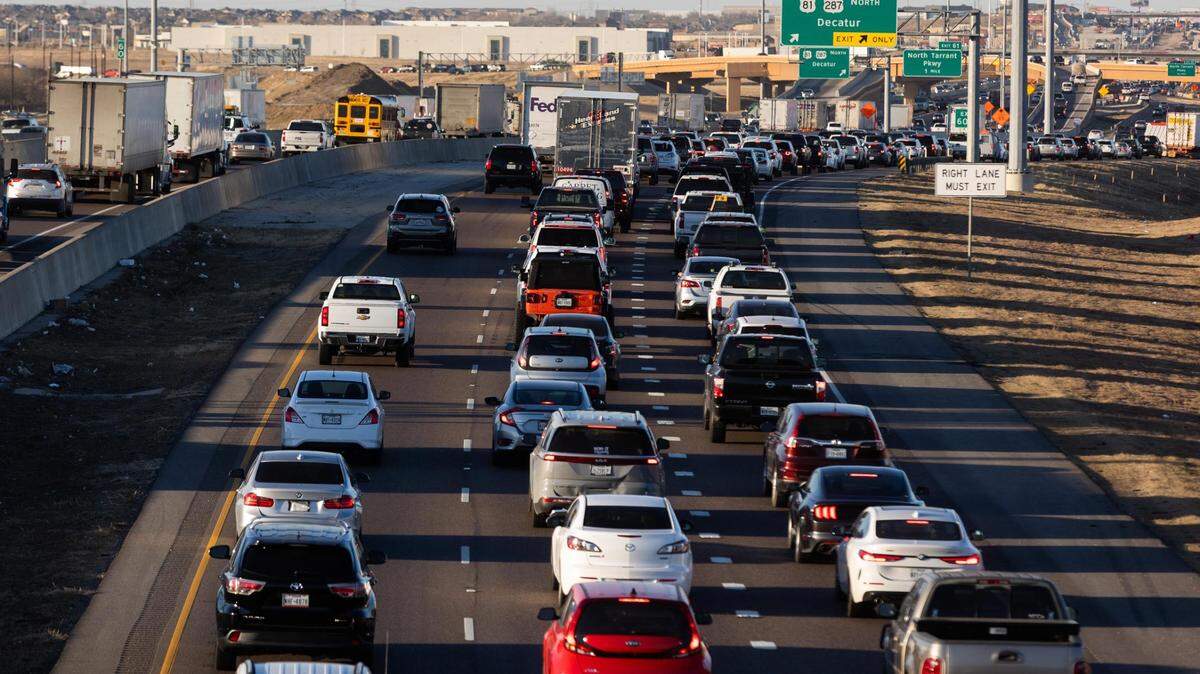
It can take a long time to build a road in Fort Worth.
The reasons for delays are numerous, according to the city’s head of transportation and public works, William Johnson.
Traditional bottlenecks have been moving utilities, such as power and sewer lines, and acquiring the land to widen roads.
More recently, supply chain issues and worker shortages have been difficult for the city to overcome. Most of the rebar needed for road construction is produced in China, said transportation and public works assistant director Lauren Prieur.
The city is waiting an extra three months on metal for street signs. It takes about a month for the city to make those signs, so Johnson estimated it could be a four-month delay on something that would have normally taken one month to do.
There’s also a shortage of truck drivers, which can delay the delivery of concrete to a job site, Prieur said.
Johnson remains optimistic, though, about the city’s ability to execute the next slate of projects, which voters will consider May 7.
The city has begun to buy land earlier in the process, Prieur said.
The city used to wait until the road design was 60% complete before it began to buy rights-of-way, but now it starts the process when a road is 30% designed.
“Really it’s about getting all our partners in the room to say, ‘Hey, this is coming,’” Prieur said. She added that some of major road design in the upcoming bond package is already past this 30% threshold.
The city could speed up this process by relying more on the private sector, said district 4 council member Cary Moon.
His north Fort Worth district includes North Riverside Drive. Improvements on that street between Summerfields Boulevard and North Tarrant Parkway were delayed five years after voters approved them in 2014. Work continues on North Riverside today.
The city runs into problems when it gets more projects than it can handle, Moon said. Companies don’t have the same restrictions on spending and hiring, so they can be more nimble when they need to add staff to a project, he said.
The city doesn’t have the capacity to manage all the projects proposed in the 2022 bond, so it will turn to consultants, Johnson said.
Moon argued the city needs to get more aggressive when it comes to right-of-way acquisitions. Negotiations with property owners to buy land along the west side of North Riverside Drive slowed that project down significantly.
The city needs to be willing to use eminent domain with commercial property owners to get some of these road projects built faster, Moon said.
Moon also said the city could be more aggressive in the way it negotiates with private developers to help with road construction in less developed parts of far north Fort Worth.
The city is considering charging developers higher transportation impact fees, which are used for road maintenance and construction. This would allow the city to address road issues before turning to bond issues.
“Every little bit helps,” Johnson said.
The city is reaching out to contractors and utility companies before the bond election to try to coordinate supplies and labor in anticipation of the measures passing, Johnson said.
It won’t solve all the problems, but Johnson said his department is trying to prepare as much as possible with the hope it can speed these projects along if they receive voter approval.
This story was originally published February 25, 2022 at 5:00 AM.
.jpg)