Fort Worth’s 10 worst traffic nightmares: Will these bottlenecks ever be fixed?
READ MORE
Fort Worth’s 10 worst traffic nightmares
Planners have been predicting growth in North Texas for decades. But without necessary funds for road improvements, congestion will only get worse.
Expand All
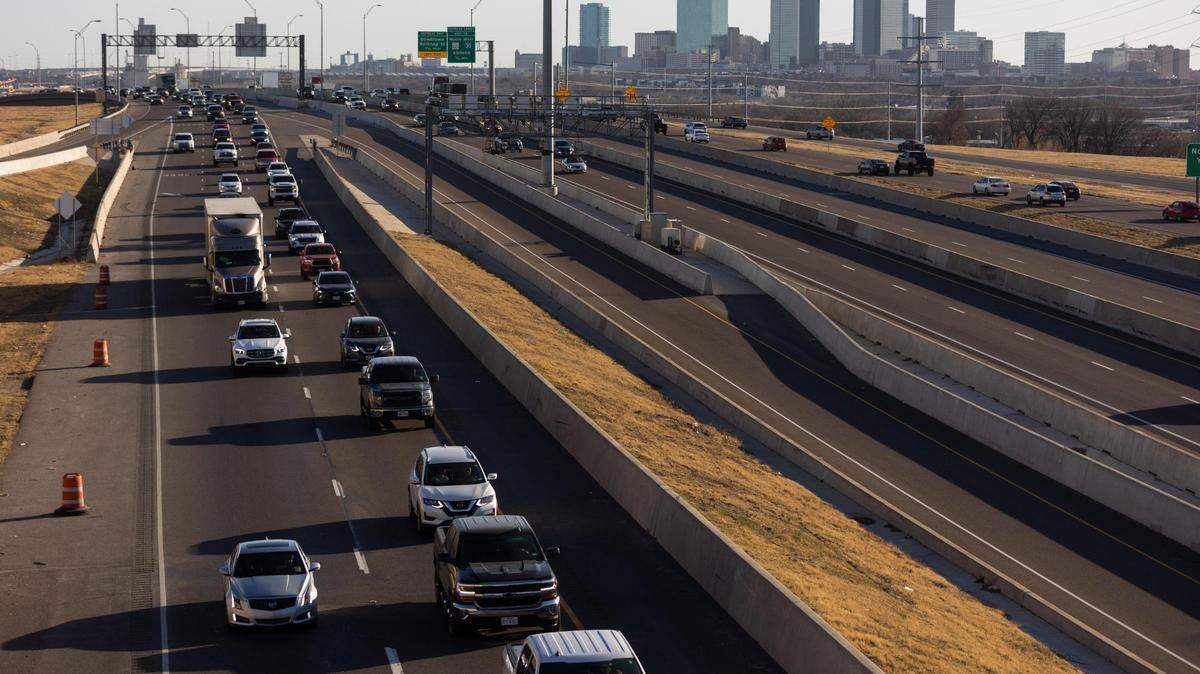
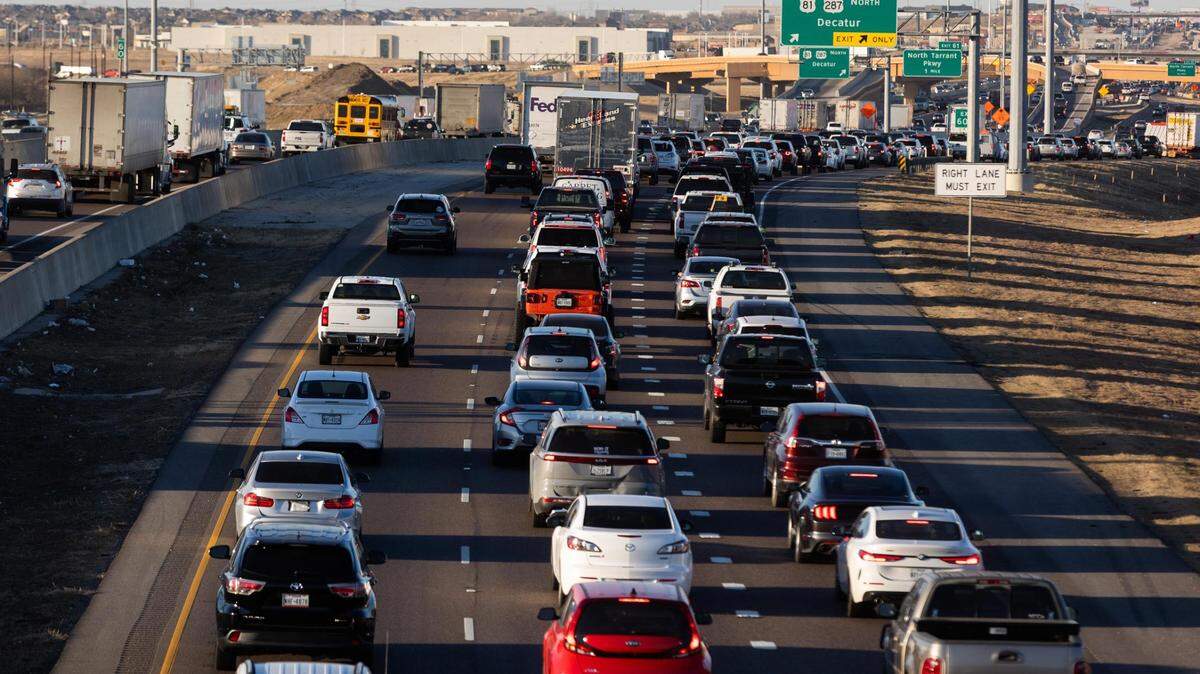
It took about six years to build Chisholm Trail Parkway, but plans for the 27.6-mile toll road stretching southwest from downtown Fort Worth were in the works for nearly four decades.
In the 1980s, the North Central Texas Council of Governments set out to acquire rights of way along what would become the parkway. The association helps plan and coordinate development in 16 counties.
“If we had never done that, you would not have that corridor today,” said Michael Morris, transportation director for the North Central Texas Council of Governments. “It would be loaded up with Holiday Inns and restaurants and homes.”
Today, driving away from downtown on the toll road at 5 p.m. on a weekday might leave you with a sense of serendipity, especially if you glance over your right shoulder to the slow crawl of vehicles traveling west on Interstate 30.
Because the road later narrows to a single lane in each direction — with periodic passing lanes — it’s not clear how long the parkway will be unburdened by the traffic ramping up in other parts of Tarrant County.
Population growth and increase in traffic suggest commuters may soon find bottlenecks. Johnson County’s population has increased by more than 20% since 2014 and toll transactions on the Chisholm Trail Parkway are up 339% since it opened in May 2014, from 9.5 million to 41.7 million.
Despite the clear need for new lanes on the parkway, a pandemic-related reduction in toll revenue in 2020 will prevent construction until 2026, planners said.
In the fight between growth and funding for road improvements, North Texas congestion is winning. Dallas-Fort Worth drivers wasted 70.6 million hours in traffic delays in 2020.
Tarrant County’s most congested roads
Here are Tarrant County’s top 10 most congested roadways, ranked by all vehicle traffic, according to the Texas A&M Transportation Institute.
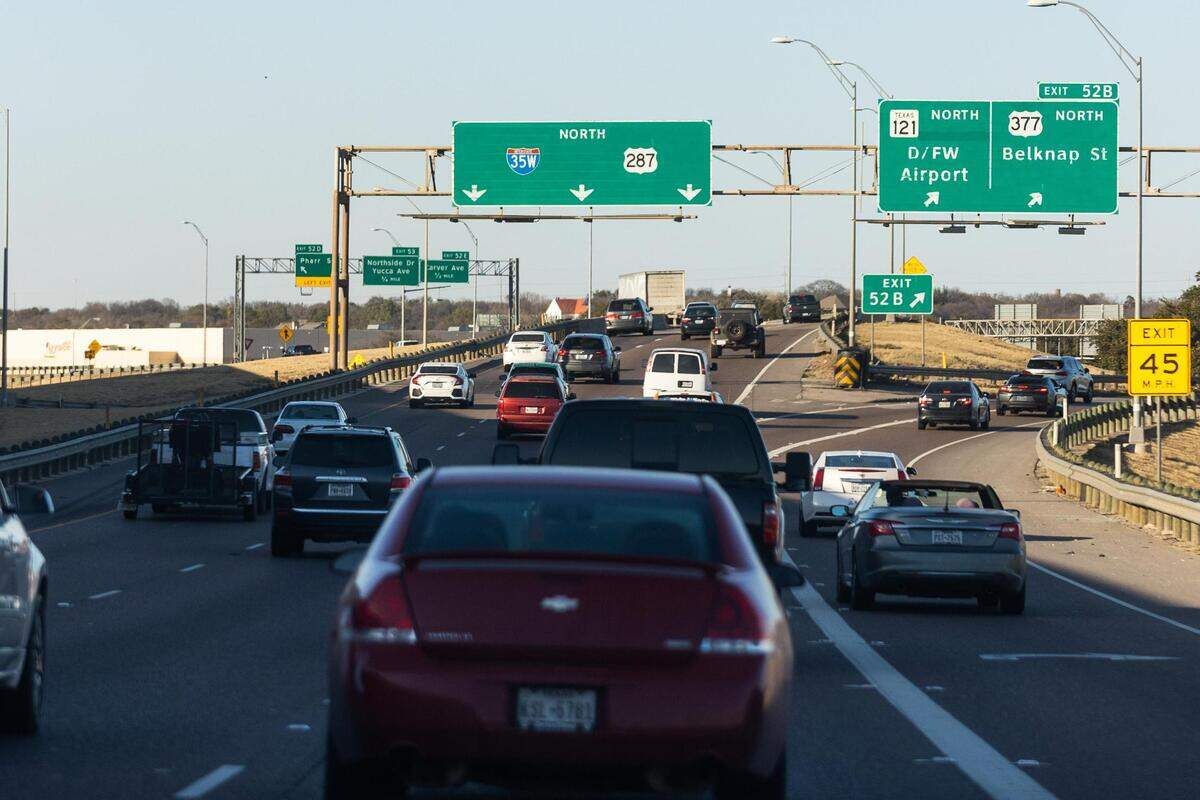
Interstate 35W, from NE 28th Street to Interstate 30: Traffic on this 3.37-mile segment is slowest between 5 p.m. and 5:30 p.m., with an average speed of 32 mph. This stretch ranks ninth in the state for vehicle traffic and second for truck traffic. The congestion can add 12 minutes to your trip. Corridor studies are being conducted on part of this segment for a $700 million project to construct a new road, according to TxDOT. Construction is not expected to begin for at least 10 years.
I-35W, from Texas 170 to U.S. 287: Traffic on this 4.4-mile stretch reaches an average speed of 29 mph between 5:30 p.m. and 5:45 p.m. The congestion on this slice of highway in northern Tarrant County can add 19 minutes to your trip. Corridor studies are being conducted on part of this segment for a $270 million project to construct a new road, according to TxDOT. Construction is not expected to begin for at least 10 years.
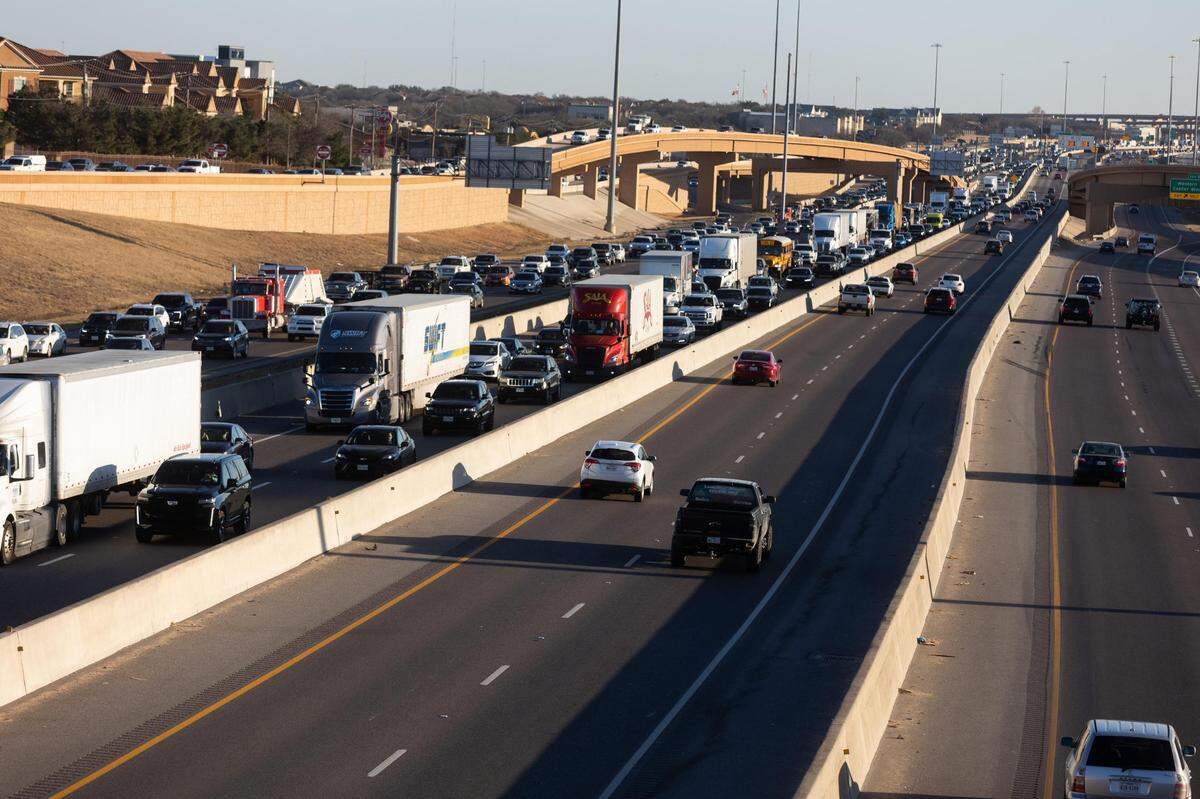
I-35W, from U.S. 287 to NE 28th Street: This 6.39-mile stretch is slowest at 5:30 p.m., when traffic slows to 48 mph. The congestion can add seven minutes to a trip. Studies are being conducted on half of this segment for a $100 million project to add lanes, according to TxDOT. The other half of the segment will be addressed in the project that covers I-35W from NE 28th Street to I-30. Construction is not expected to begin for at least 10 years.
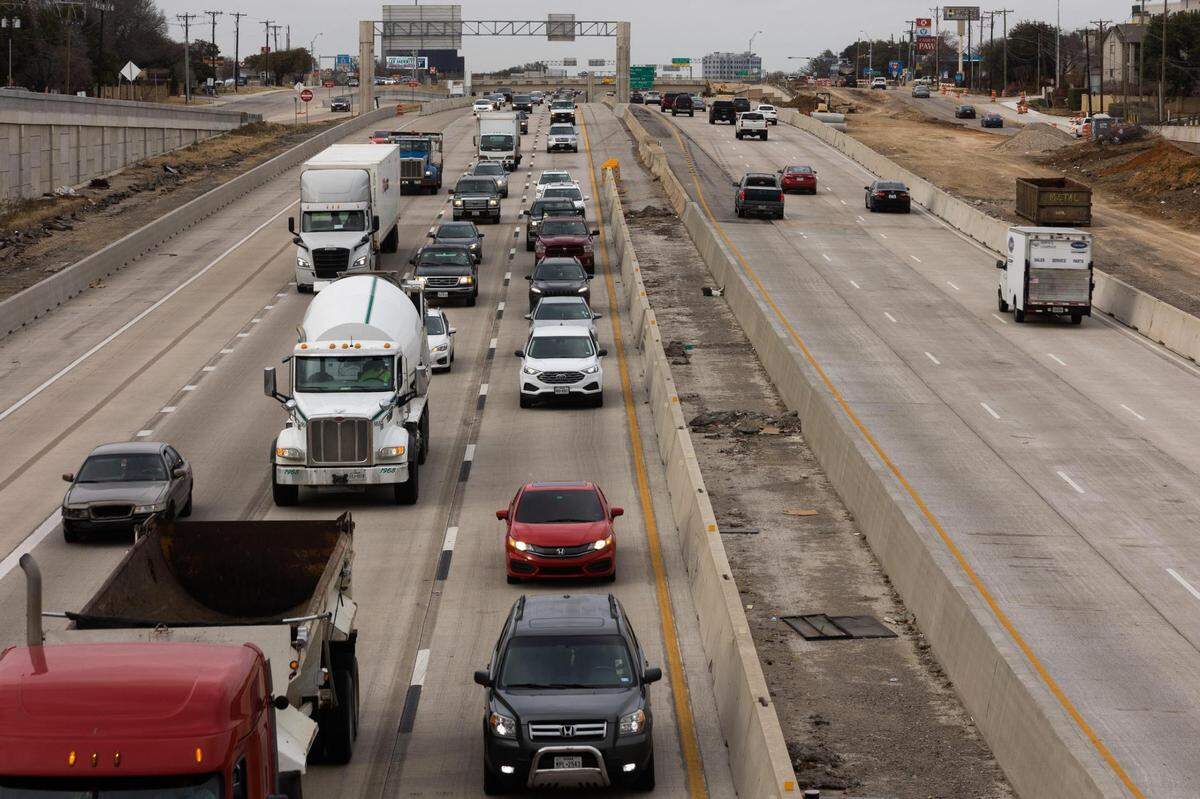
Texas 360, from Airport Freeway to I-30: At 5:30 p.m., congestion on this 4.47-mile stretch is at its peak, with average speeds at 35 mph. The congestion can add nine minutes to your trip. Construction could begin in five to 10 years on an $18 million project to improve this highway, according to TxDOT.
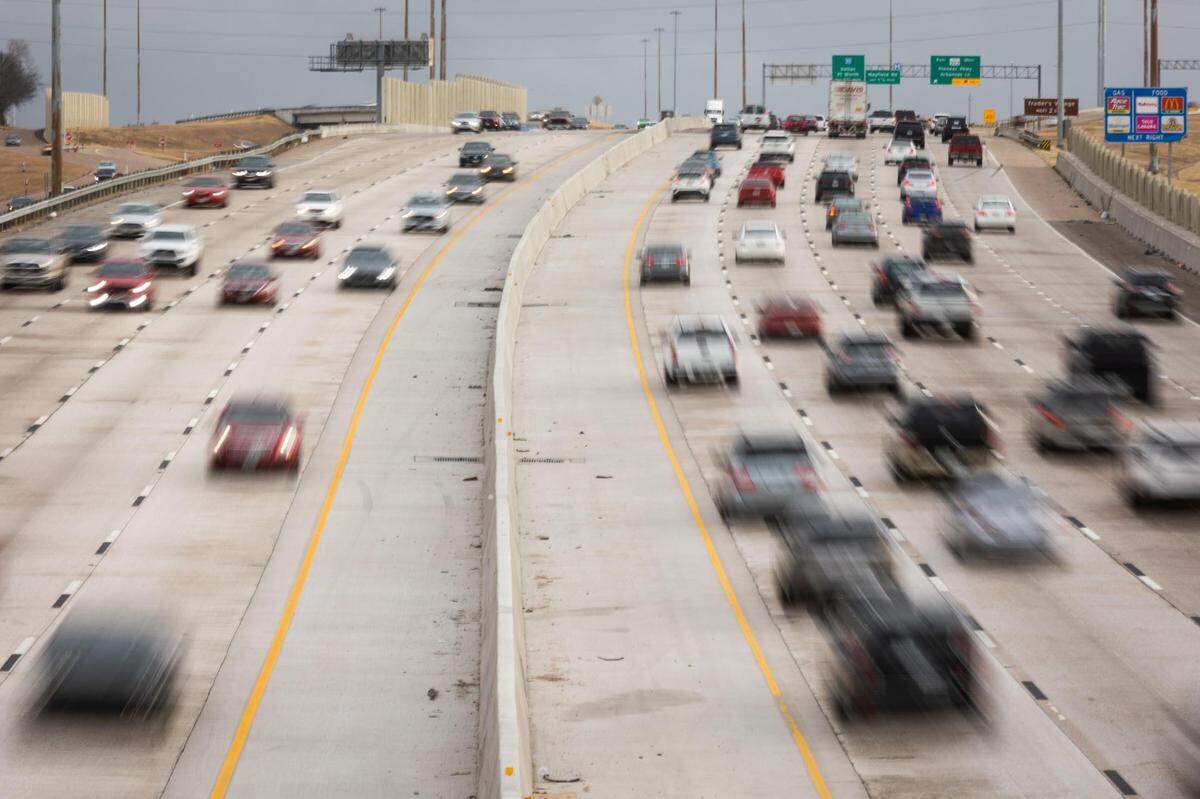
Texas 360, from I-30 to I-20: The 4.91-mile stretch is slowest between 7:30 a.m. and 7:45 a.m. when the average speed falls to 45 mph. The congestion can add seven minutes to a trip. Construction could begin in five to 10 years on a $46 million project addressing this stretch of Texas 360.
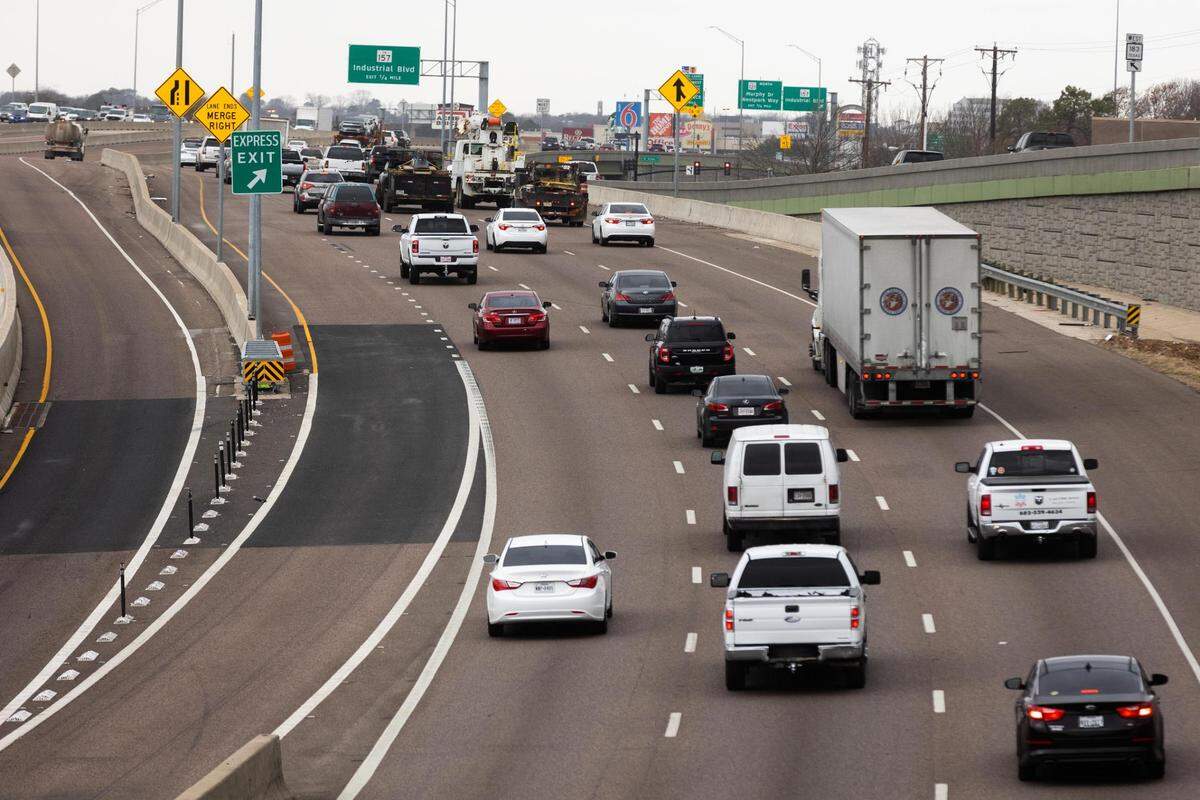
Airport Freeway, from Texas 26 to NE Loop 820: This 12.6-mile segment stretches northeast toward Dallas-Fort Worth Airport. At its busiest, vehicles average 45 mph between 5:30 p.m. and 5:45 p.m. Congestion can add six minutes to a trip. Studies are being conducted on the 2.4-mile section of Airport Freeway near Texas 26. Construction on the $90 million project to reconstruct the existing roadway isn’t expected to begin for at least 10 years.
I-35W, from I-30 to I-20: Traffic on this 4.86-mile segment is slowest at 5:15 p.m., with an average speed of 46 mph. The delay? Up to five minutes. Construction will begin within four years on a nearly $2 million project to fix the roads.
Airport Freeway, from Texas 121 to Texas 360: Between 5:30 p.m. and 5:45 p.m., traffic on this 3.67-mile segment is slowest, when vehicles travel an average of 40 mph. Congestion can add seven minutes. A $103 million project to construct a new road here is underway or will begin soon.
Jacksboro Highway, from Confederate Park Road to NW Loop 820: This 3.63-mile segment crosses Lake Worth. Between 4:45 p.m. and 5:45 p.m., traffic slows to an average of 35 mph. Congestion can add four minutes. Three road improvement projects are planned for this stretch of Jacksboro Highway. Two projects to add lanes and shoulders — expected to cost more more than $100 million — are underway. Construction on a third road-widening project costing $160 million will begin in five to 10 years.
Loop 820, from I-35W to Jacksboro Highway: Traffic on this 6.82-mile segment is slowest between 7:30 a.m. and 7:45 a.m. when vehicles average 49 mph. Congestion can add four minutes. The only improvement project planned for this segment of Loop 820 is a $10 million resurfacing project.
Planning for more Texans
This list doesn’t surprise Morris.
As the transportation director for North Central Texas Council of Governments, he is tasked with predicting what the list above will look like decades from now.
NCTCOG predicts congestion by looking at development and population trends. With this information, the agency identifies relevant road improvement projects and maps projected congestion — with and without interventions to alleviate traffic.
The 10-year congestion forecast is critical, said Morris, because that’s how far in advance projects get funding commitments from the Texas Department of Transportation.
”We forecasted the need for Chisholm Trail Parkway 40 years ago,” he said. “We were starting to environmentally clear I-30 improvements by Walsh Ranch long before Walsh Ranch was ever approved.”
Who should pay for growth?
Technically, if municipal authorities are planning for growth decades in the future, congestion shouldn’t exist.
But, if you’ve ever driven on the aforementioned roads at 5:30 p.m. on a weekday, you know that’s not true.
For the next 30 years, North Texas is expected to grow by one million people every eight years, but Morris said the funding for transportation is not matching that growth.
And, because population increases take place in cities, urban areas are saddled with the burden of critical road maintenance, he said.
Not only does the state Legislature not provide necessary tax dollars for road improvements, Morris argues, but it also limited metropolitan planning organizations’ (like North Central Texas Council of Governments) ability to partner with private companies to build toll roads.
State Rep. Ramon Romero, a Democrat from Fort Worth, would rather see public funds be used to address congestion.
“It’s nice to see a new shiny project, but when we allow a private developer to come into our roads and partner with us, we have to believe that what we’re getting back in return is a good investment of our dollars, and I don’t think that it is,” he said.
But the state currently uses a “pay as you go” approach to transportation, rather than looking at road infrastructure as an independent 40-year investment. The state’s strategy doesn’t leave much room to anticipate Texas’ booming growth, planners said.
“By the time you slice everything up, transportation doesn’t always receive what it needs,” said Romero. “And when you do it that way, you’re probably not right as often as you would like to be.”
This story was originally published February 25, 2022 at 5:00 AM.
CORRECTION: Toll transactions on the Chisholm Trail Parkway are up 339% since it opened in May 2014, from 9.5 million to 41.7 million. An earlier version of this story had an incorrect figure.