How was a baby quietly born in Tarrant County Jail? Lawsuit gives new details
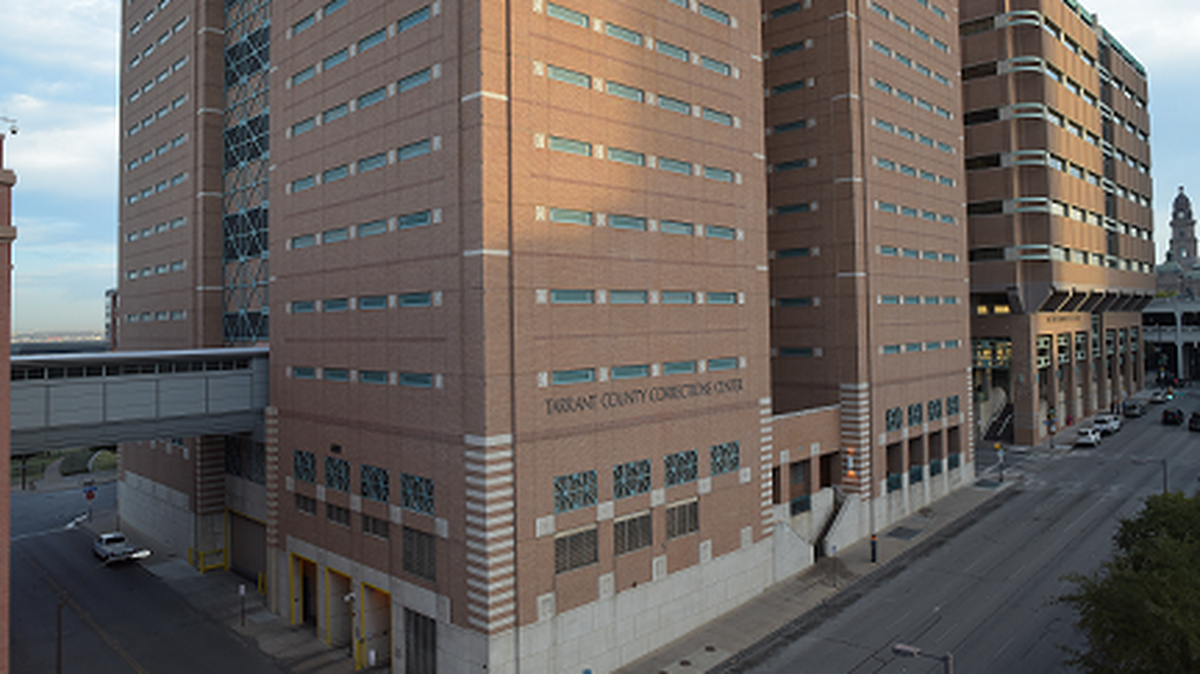
A federal lawsuit filed on behalf of a woman who secretly gave birth in the Tarrant County Jail tells the story of a family who had sought mental health help for the pregnant woman, only to see her incarcerated without treatment.
The baby, born on May 17, 2020, died 10 days later. The mother, who was nonverbal at the time of the birth, was later taken to a mental health facility, which is where her family said she should have been all along.
Attorney Marwa Elbially wrote in the lawsuit that the Tarrant County Jail violated the Sandra Bland Act when it failed to tell a magistrate about the woman’s mental condition despite knowing she suffered from mental illnesses and an intellectual disability. The lawsuit accuses officials of denying the woman medical care, false arrest, unlawful pretrial detention and wrongful death among other charges.
The woman was not assessed or given treatment she needed, according to the lawsuit.
A representative with the Tarrant County Sheriff’s Office, which oversees the jail, did not immediately return a request for comment. A statement from the City of Fort Worth said, “We are aware of a lawsuit being filed but we have not been served a copy of the lawsuit, and therefore will not be making any comments.”
How a baby was born in jail
The 21-year-old woman was diagnosed with bipolar disorder and schizophrenia and suffered from developmental disabilities that sometimes affected her ability to communicate.
She was arrested on May 19, 2019, after being accused of hitting and pulling the hair of a teenager, according to an indictment. A judge entered two court orders for her to be tested to determine her competency to stand trial, but the woman was released without receiving any assessment. She pleaded guilty and was sentenced to four years of deferred prosecution.
In January 2020, the woman, now pregnant, was in mental distress when her family called Fort Worth police to have her involuntarily committed at John Peter Smith Hospital.
Instead, she was arrested and accused of violating her probation. Elbially wrote in the lawsuit that the woman was not violating any laws or rules at the time of her detainment.
The woman was not scheduled for a court hearing during the first five months of her jail stay, Elbially wrote.
Four days after her arrest, the woman was placed under observation because of suicidal statements after other inmates abused and made fun of her, according to the lawsuit.
On Jan. 23, a mental health assessment noted that the woman “appeared child-like, shy, and had been diagnosed with an intellectual delay,” according to the lawsuit. The next day, the woman began to refuse her medication and food. Four days later, she became nonverbal, according to treatment notes obtained by Elbially. The woman was kept in the infirmary.
The woman continued to refuse food and was not gaining weight. She also was not receiving her medication, according to the lawsuit.
Months later, on May 1, the infirmary nurse noted that the woman likely would not understand what a contraction was. When nurses tried to explain the feeling to the woman, she became agitated. Her next two OBGYN appointments were canceled, Elbially wrote.
During her last OBGYN visit on May 13, the doctor confirmed the woman would not be able to express symptoms of birth and would not recognize herself going into labor.
She was sent back to the jail.
On May 17, the woman felt pain in her stomach. When it didn’t go away after using the bathroom, the lawsuit says, she banged on the window. No one was there to answer.
The woman returned to bed and gave birth.
At 9:07 a.m., a jailer noticed blood on the woman’s bedding. The baby’s umbilical cord was wrapped around her neck and the woman lost a large amount of blood, according to the lawsuit.
About 30 minutes after she was found in her cell, the woman was taken to JPS Hospital.
The woman’s family was told that the baby suffered from a lack of oxygen to the brain. She was baptized on May 21 and her condition worsened.
On May 26, a Cook Children’s Hospital doctor wrote a note to the jail that explained the baby’s condition “in a futile attempt that they might let (the woman) see her daughter.”
The request was denied, according to the lawsuit.
The baby died on May 27. The woman was placed on suicide watch the same day.
On June 18, prosecutors filed a motion to drop the charges against the woman.
She was taken to JPS for inpatient care, which is what her family initially requested the day they called 911. After months of treatment, the woman was returned to the care of her mother.
She still asks about her baby, the lawsuit says, and when she’ll come back.
Jail’s history of not checking inmates
A month before the baby was born, a man had died by suicide while being held at the jail. The Texas Commission on Jail Standards revoked the jail’s state certification for six days until the jail issued a corrective plan.
The state requires face-to-face observations of inmates known to be mentally ill, but the jail has a pattern of not conducting them, the lawsuit said.
The man who died by suicide was left alone for an hour before he was found, according to state records previously obtained by the Fort Worth Star-Telegram.
From January 2019 to September 2020, there were at least 30 known incidents where inmates were left unattended due to the jail’s failure to check on them, according to the lawsuit. During two days in May 2020, jailers were more than six hours late to their first observation checks, the lawsuit says.
And in 2020, jailers Erik Gay and Darien Kirk were charged criminally after they lied 20 times about checking on Javonte Myers, who died in June that year.
The jail has failed its annual inspection three of the last seven years, and the Commission on Jail Standards has found multiple occasions where a magistrate was not notified within the proper time frame that someone with a suspected mental illness or learning disability had been booked, according to the lawsuit.
This story was originally published January 13, 2022 at 4:16 PM.