Fort Worth family feels left in the dark after jail death: ‘I just want the truth’
Running errands gave Linda Rasor anxiety. Every new street she traversed presented her with another opportunity to spot her husband sitting on a corner.
“That was the hardest thing,” she said.
Her husband, Timothy, chose to live outside of their home after years of self-medicating his grief and depression with drugs and alcohol. At one point, Rasor said, he didn’t even want his kids to see him. He loved his wife but stopped caring about having a roof over his head, so he slept and ate wherever he could find shelter.
And, sometimes, Linda Rasor would see him on her drives.
“Nobody knows what it’s like,” she said, crying.
But solace came in September when, according to court documents, Rasor was caught with less than a gram of methamphetamine. A Euless police officer took him to the Tarrant County Jail, where he was held on a $1,500 bond. Linda Rasor didn’t pay it, thinking her husband was safer in jail than he was on the streets.
But on Feb. 20, Rasor experienced a “medical emergency,” according to a news release from the Tarrant County Sheriff’s Office. He was taken to John Peter Smith Hospital and placed on life support.
Two days later, on his 63rd birthday, Rasor died.
At the hospital, a nurse pulled Linda and her daughter DeLinda Vaughan aside, they said.
“She made it a point to tell me that these types of injuries are usually seen in people who have been in car wrecks,” Vaughan said. “The jail told us he fell, that he had a ground level fall.”
His family believes they haven’t been told the full truth, but finding answers has been difficult because they’re navigating a system that allows for secrecy.
‘Couldn’t deal with the world’
Rasor didn’t have the easiest life.
“A lot of people didn’t understand him, including me,” Linda Rasor said. “He dealt with the world in a different way than most of us.”
He wanted to help people but never really understood how to. He thought Linda Rasor was a saint for raising her children and being close with her grandchildren. He never wanted her to stress out, but he didn’t know how to handle his own stress because his parents always protected him from the world, Linda Rasor said.
It made it difficult for Rasor to accept things that were happening around him.
“He had a little bit of mental issues going on and his mom and his dad just protected him,” Linda Rasor said, adding that he never sought help. “Once he got older he started drinking because he was tired of dealing with it. I don’t think anybody else knew what he struggled with.”
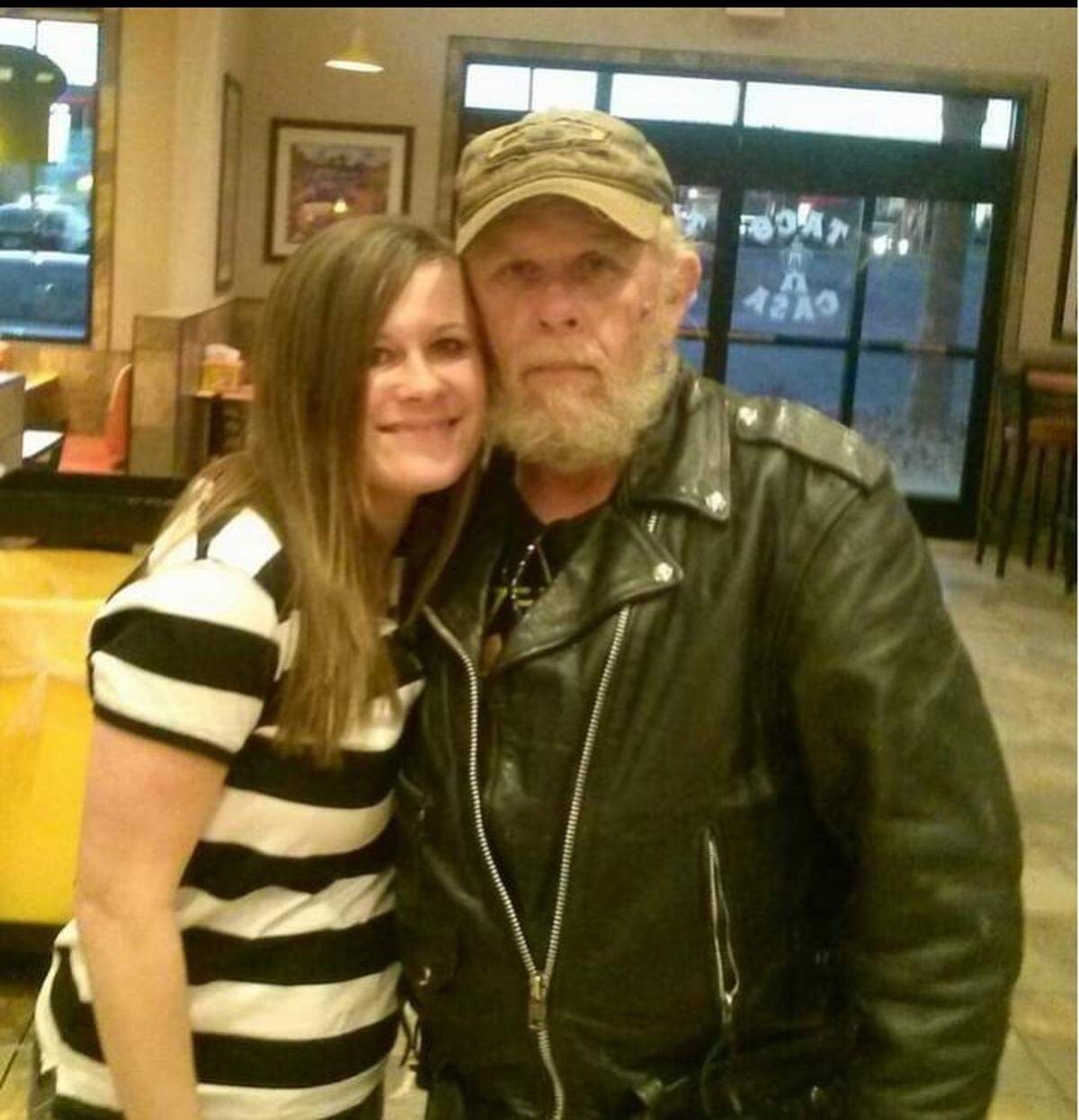
His drinking and attachment issues made it nearly impossible for him to cope with his parent’s deaths and the death of his first wife to cancer. He started drinking more and got into drugs and eventually, Linda Rasor told him he had to get himself together.
“He just couldn’t deal with the world anymore,” she said.
Seeing him spiral was hard for Rasor and Vaughan.
“He was a real close part of our lives,” Vaughn said. “Tim was important to my mom and he was wronged. He wouldn’t hurt a fly and I know he didn’t deserve this.”
Rasor’s drug possession case was pending when he died. His autopsy is also pending.
‘I just want the truth’
Vaughan said she and her mom have yet to get a call from anyone at the jail.
When they wanted to know what happened, they called themselves. Eventually, they went to the jail to pick up his personal belongings, but they still felt off about the story they were given.
“I just want the truth,” Vaughan said. “We both feel like we’re not being told anything.”
The Tarrant County Sheriff’s Office refers to questions about in-custody deaths to the Texas Rangers, who investigate jail deaths. The Star-Telegram asked the agency about Rasor’s injuries and for information on what happened before his medical emergency. A spokesperson sent the following statement: “At the request of the Tarrant County Sheriff’s Office, the Texas Rangers have been asked to investigate an in-custody death. The investigation is ongoing and no additional information is currently available.”
Linda Rasor said her husband could sometimes have a short temper, especially if he had been away from alcohol for five months. If someone looked at him the wrong way, Rasor would probably have something to say about it. Both women think Rasor could’ve easily gotten into a fight.
“I can’t stop thinking about it,” Linda Rasor said. “There’s no doubt in my mind that something happened and someone knows what really did happen.”
Getting information about deaths behind bars is difficult for families across the country. An employee of the Tarrant County Jail said officials don’t call families about medical emergencies because of privacy issues. It is left up to hospital employees to make those calls.
Reports often aren’t immediately available. The Texas Commission on Jail Standards also investigates all jail deaths but has said none of the reports from deaths in Tarrant County from 2020 or this year have been completed.
Jessica Pishko, a writer and researcher on sheriff accountability from Dallas, said sheriff’s offices and law enforcement often use the federal health privacy law as an excuse to not give families information about deaths and injuries, even if the circumstance doesn’t fall under the Health Insurance Portability and Accountability Act.
Jails must also report deaths to the Attorney General of Texas, which houses reports online, but the system has been down. A records request for copies of reports from the Tarrant County Jail was not immediately returned.
In past cases, Tarrant County has denied records requests for deceased inmates’ intake forms and other medical history.
“It’s frustrating,” Vaughan said. Vaughan’s husband died in an Oklahoma prison two years ago. He was found unresponsive in his cell. She and her son still don’t have information on what happened. “I feel like we’re just living through that again.”
Pishko said Texas laws try to impose some accountability over in-custody deaths (such as the 2017 Sandra Bland Act, which in part required jail deaths to be investigated by outside agencies) but the laws don’t “take the concern of the family into consideration.”
“People aren’t informed when incidents happen, so family members just don’t know what’s going on,” she said. “If you are a family member, that’s an issue and it’s not the way you would deal with a situation if you were to look at it from the point of view of the family.”
Rasor’s family isn’t alone in feeling left in the dark. In July, three Tarrant County jailers were arrested and charged with assaulting an inmate. The family of that inmate told the Star-Telegram that the jail never called them. They learned about the assault by reading the newspaper, they said.
In June, Javonte Myers died in his Tarrant County Jail cell and an autopsy found it was due to a seizure disorder. His mother said he maintained the disorder for about 10 years and believes he was neglected. She felt the jail didn’t get her enough information.
Asked what could be done to alleviate these problems, Pishko suggested some kind of jail oversight board with a space for families to air their concerns and grievances.
“The basic problem is these people don’t feel heard,” she said, “What if the county commissioners gave the family members 15 minutes to talk about what the impact was on them and what they’ve endured? The only space they have to do that in is the media and obviously the sheriff needs to be there to listen.”