Fort Worth has named police chief finalists. Here’s what some residents want to see
Johnny Lewis has watched for decades as police react to drug deals, burglaries and gang members hanging out on the corners of Historic Southside. Their blue and red lights shine when guns are fired, but on the quieter evenings, Lewis says he doesn’t see patrol cars after 5.
He’d like for that to change. Lewis, who is involved in his neighborhood association, hopes the new Fort Worth police chief will take a stronger preventative approach to policing in the city’s historically Black neighborhoods south of downtown.
Pamela Young, an activist with United Fort Worth, wants the new chief to listen to communities across Fort Worth, but especially ones filled with Black and brown residents who are most affected by police brutality and the lack of relationships between them and the men and women who are supposed to serve them.
Estrus Tucker said the new chief will have to build trust with all of the city’s diverse communities and not assume that trust already exists. Community relations is paramount to the job, he said, complimenting former Chief Joel Fitzgerald and Chief Ed Kraus for being approachable.
“You knew Ed was listening, not only because of his posture, but because of his actions after you finish talking with him,” Tucker said of Kraus. “That’s what we need.”
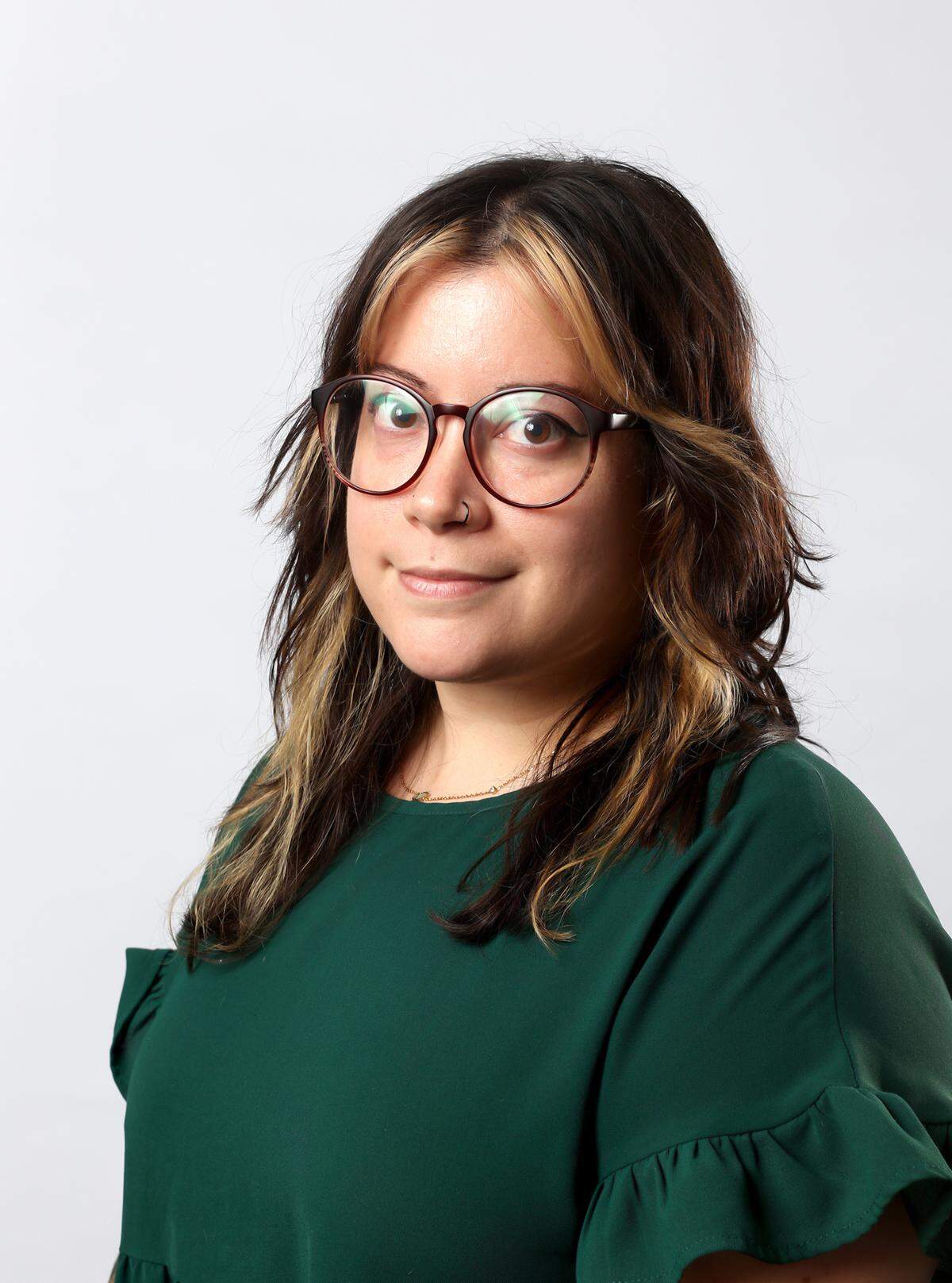
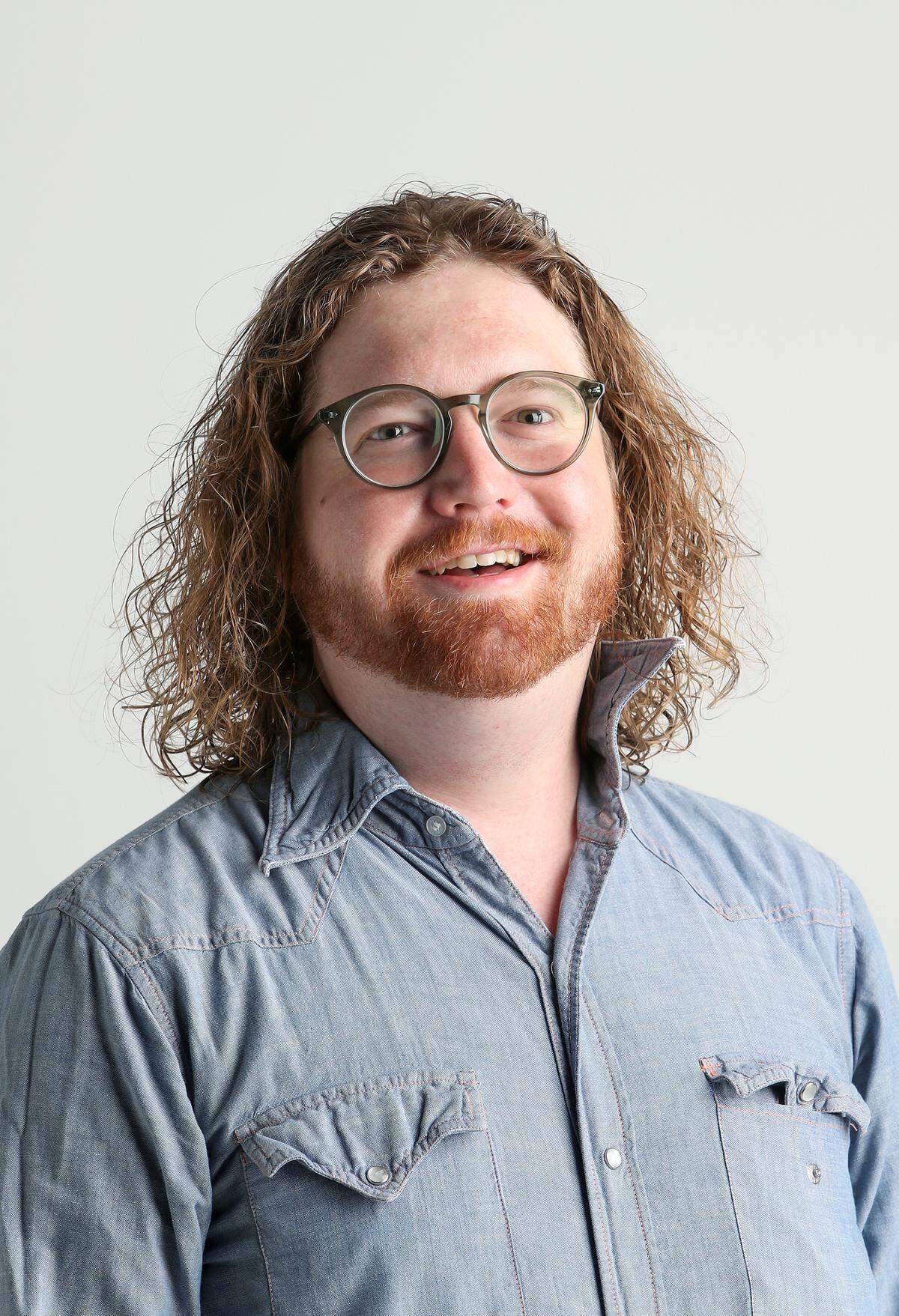
Fort Worth City Manager David Cooke named six finalists on Dec. 9 to replace Kraus, who is set to retire. The group includes two FWPD chiefs who have served under Kraus, a Black police chief of a smaller department, the highest ranking Latina in FWPD history, the woman behind Houston’s Mental Health Division and the man who helped form an anti-violence program in Fort Worth that police aren’t involved in.
Before the chief is selected, Lewis, Young and Tucker hope their voices, and the voices of their neighbors, are heard and their experiences and concerns are considered.
The city plans to form interview panels featuring city and police officials as well as residents, Deputy City Manager Jay Chapa said. A public forum is scheduled for Jan. 14 at the Fort Worth Convention Center.
A single finalist will be named in late January, Chapa said.
Community-minded policing
In October 2019, Young spoke on behalf of six community groups who make up the Tarrant County Coalition for Community Oversight, which issued 11 demands to the city after Atatiana Jefferson was fatally shot by a Fort Worth police officer.
The group demanded the department address the culture of policing that leads to excessive use of force and unnecessary deaths.
She’s still waiting for that to happen and thinks a chief who prioritizes listening to Black and Hispanic communities is a small step in that direction.
“That’s going to take intentionality on the part of whoever comes in, to not just come in and tow the line or keep the status quo, but to do the important work of finding out how you can best serve your community and each neighborhood, especially those neighborhoods and communities that have been overpoliced, unfairly targeted and abused historically by policing in Fort Worth,” she said on Friday.
Lewis, who often sits on his porch and watches the goings on of his neighborhood, agrees with Young’s point-of-view. And frankly, he hopes the next chief is Black or Hispanic.
“We need someone who can relate to the community,” he said. “Someone who can train officers and not lie to us and call it community policing when it isn’t. Most of us don’t know who our current (neighborhood) officer is.”
Specifically, he’s worried about the fear his new Hispanic neighbors have in calling 911 and how that fear allows crime to fester.
“We need a way to get them to reach out to the Hispanic community, so they report crimes” Lewis said. “A lot of these people get their cars broken into, but they won’t report to the police because they’re afraid. Maybe they have a cousin or somebody who is undocumented.”
Young said trust needs to be built, because it’s never been there.
“In order for there to be a changed behavior there has to be effort and in order for effort you have to listen to the people who have been harmed and you have to do what they want you to do because they know more than anyone else what needs to be done,” she said.
Upholding standards
Multiple reviews, including reports from the National League of Cities and from an independent panel, have noted Fort Worth has strong police policies, but the department often failed to implement them in the field. It will be a chore for the new chief to ensure officers are upholding standards, Tucker said.
Tucker is a former chairman of the city’s Human Relations Commission and was a consultant for the Race and Culture Task Force. He also moderated a community forum with candidates for the Diversity and Inclusion Director.
Officers need to decrease how often they use force, Tucker said, particularly in Black neighborhoods. He also said the new chief should ensure rank and file officers follow de-escalation training.
Tucker said he worries any chief is set up for failure unless Fort Worth undergoes a significant change in culture. Policing has become “polarized and politicized.”
“Much of our leadership have allowed themselves to line up on one side of the other, rather than standing at the midpoint, which is what I think a good chief has to do to not compromise community trust,” Tucker said.
Lewis thinks that starts with strengthening the budget for police training but reallocating other funds to support outreach programs that attack the problem of violence and drugs without arrests or police involvement.
“You need to have people who can deal with homeless people and mental health so regular officers aren’t going to those calls,” he said.
Upholding policing standards also includes saying goodbye to bad cops, he said.
“Stand up to the union,” he said. “I realize that’ll be a hard thing to do but right now, but if an officer does something wrong, they can go to the union and the union can afford them an attorney. If the chief feels like this is not a person I want working in my department, they shouldn’t work there.”
A Fort Worth Star-Telegram investigation in June found that half of the Fort Worth officers who have appealed their firings since 2014 won their jobs back.
Chief candidates
The six candidates lack diversity, which was a disappointment for Lewis and Tucker. Young declined to comment on the candidates individually. Lewis said he had hoped to see more Black and brown faces in the candidate pool.
Wendy Baimbridge, an assistant chief of the Houston Police Department, has been in charge of its Mental Health Division since 2013. She oversees the department’s crisis intervention team, homeless outreach, diversion programs and the senior justice assessment center, which helps senior victims of crime. Fort Worth police created a Mental Health Crisis Intervention Team in July that partners with non-law enforcement mental health personnel.
Troy Gay was a finalist for the Nashville Police Department’s chief job in October and is the assistant police chief of the Austin Police Department, where he’s been since 1991.
Derick D. Miller, the only Black candidate, is a 28-year veteran with the Carrollton Police Department. He became chief there in 2017 and is a native of Benbrook.
Neil Noakes is an assistant chief at the Fort Worth Police Department and helped research and develop the city’s VIP Fort Worth program, which employs ex-gang members and cons to stop gang violence before it happens. Noakes acknowledged in August that the city can’t arrest its way out of crime.
Julie A. Swearingin became the highest-ranked Latina in the police department when she was promoted to assistant chief in 2019. The second she was sworn in as a police officer, she decided she wanted to get to the highest rank possible, she said.