5 candidates for Fort Worth’s first-ever police monitor make their cases
The person chosen as Fort Worth’s first-ever police monitor will be coming into a city where, due to recent events with the department, there are residents who have lost faith in officers entrusted with protecting them, city officials admitted Wednesday night.
Ken Brewster, 32, counts himself among those people.
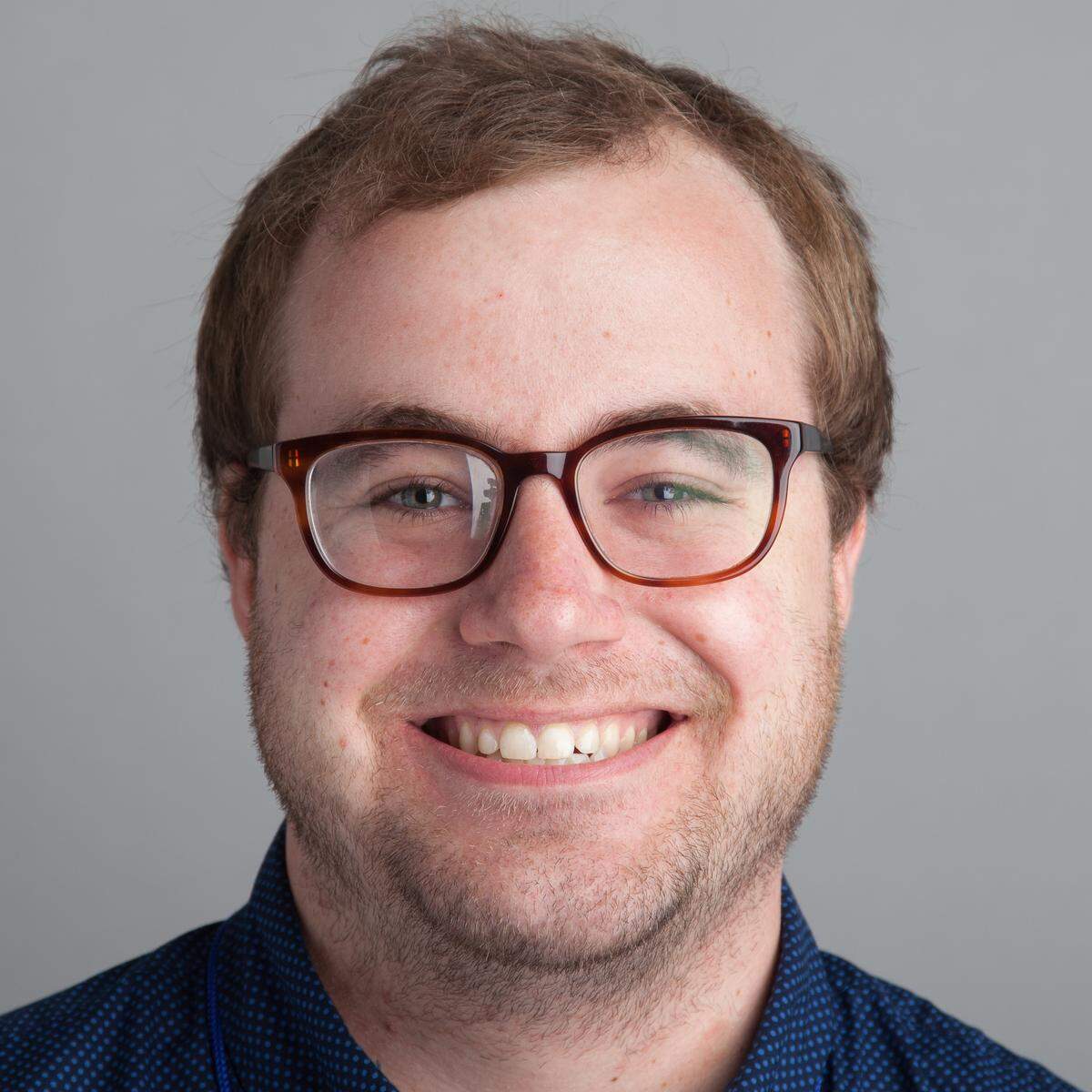
Brewster, who lives around the corner from where Atatiana Jefferson was shot and killed by former Officer Aaron Dean, came to a forum downtown Wednesday night where the final five candidates for police monitor shared their visions. The fatal shooting of Jefferson through her bedroom window, Brewster said, left him feeling like it could have been any one of his friends and family members. He said he feels unsafe in his city.
Seated among a little more than 30 people, he listened as the five candidates — all of whom have experience with police oversight in U.S. cities — discussed how they would work to bridge the gap between police and citizens. The tone was calm, with the candidates often visibly agreeing with one another or piggybacking off of others’ remarks.
Brewster said at the end of the night he was impressed with the extensive resumes of the candidates who hail from all over the country and noted “it’s a hard decision.”
But the department, he said, has a long way to go to earn back trust. And the small crowd gathered in the downtown Fort Worth Central Library on Wednesday night illustrated that to him.
“It’s a tough topic for me. I don’t feel safe in this city. I don’t feel safe,” Brewster said. “That’s why I’m here, speaking for the people who are scared to come here and speak. I feel like that’s my duty.”
The event came a little three weeks after a packed forum featuring the candidates for Fort Worth’s first diversity and inclusion director, a person responsible for leading a 14-person department looking at disparities in services across the city. The police monitor is tasked with serving as a liaison between the community and the police department, representing the community’s viewpoint even if it’s at odds with police.
The two positions are the result of recommendations from the city’s Race and Culture Task Force following the 2016 arrest of Jacqueline Craig that sparked calls of excessive force and racism. Those concerns have persisted, in part because of seven officer-involved shootings since June 1 including the Oct. 24 shooting of Jefferson.
The firm Mackenzie Eason & Associates considered around 200 candidates for the job and eventually narrowed that down to five, according to managing partner Darien George. He noted there are only 26 people who hold positions like this across the country and four of them are candidates.
City Manager David Cooke will ultimately hire the police monitor with input from assistant city managers and panels made up of city leaders and residents like the community panel. He said at Wednesday’s forum the “community’s input is going to be very important, but we also have to make sure they’re going to be a good fit for the City of Fort Worth.”
His goal, he said, is to hire someone who will be unbiased in looking at issues like use-of-force complaints against officers and department-wide policy.
“The monitor is this independent person operating outside the police department,” he said. “And all that is about building trust in the community.”
Police Chief Ed Kraus said at the event a big part of the monitor’s job will be “adding legitimacy to the police department by building trust with the community.”
Much of the city’s roughly $294,000 2020 budget for the new oversight program is going to the police monitor, who’s set to make around $218,000 in salary and benefits, while $74,000 is set aside for the police monitor’s assistant. City council members have voiced differing opinions on the proposed salaries.
The five people vying for the job sat on a stage together Wednesday night and discussed their experience and what they would do to restore trust between cops and citizens.
The five candidates
Edward Harness, executive director of Albuquerque’s civilian police oversight agency, paused for a moment when the moderator, former Fort Worth City Manager Charles Boswell, asked if he would make a sales pitch describing why he should be the police monitor.
“Uh, OK,” he said, taking in the big question. “Let’s see.”
Boswell asked that question and a handful of others to all candidates. Citizens in attendance weren’t allowed to ask questions, but there was a reception afterward where they were invited to speak to the candidates.
Harness, a U.S. Army veteran and a former Milwaukee police officer who was appointed to his current job in 2015, made the case he has the experience to fill the police monitor role. When he started as a young officer, he said, it took him about a year on the streets to learn “it’s easier to talk your way out of an issue as opposed to fighting your way out.”
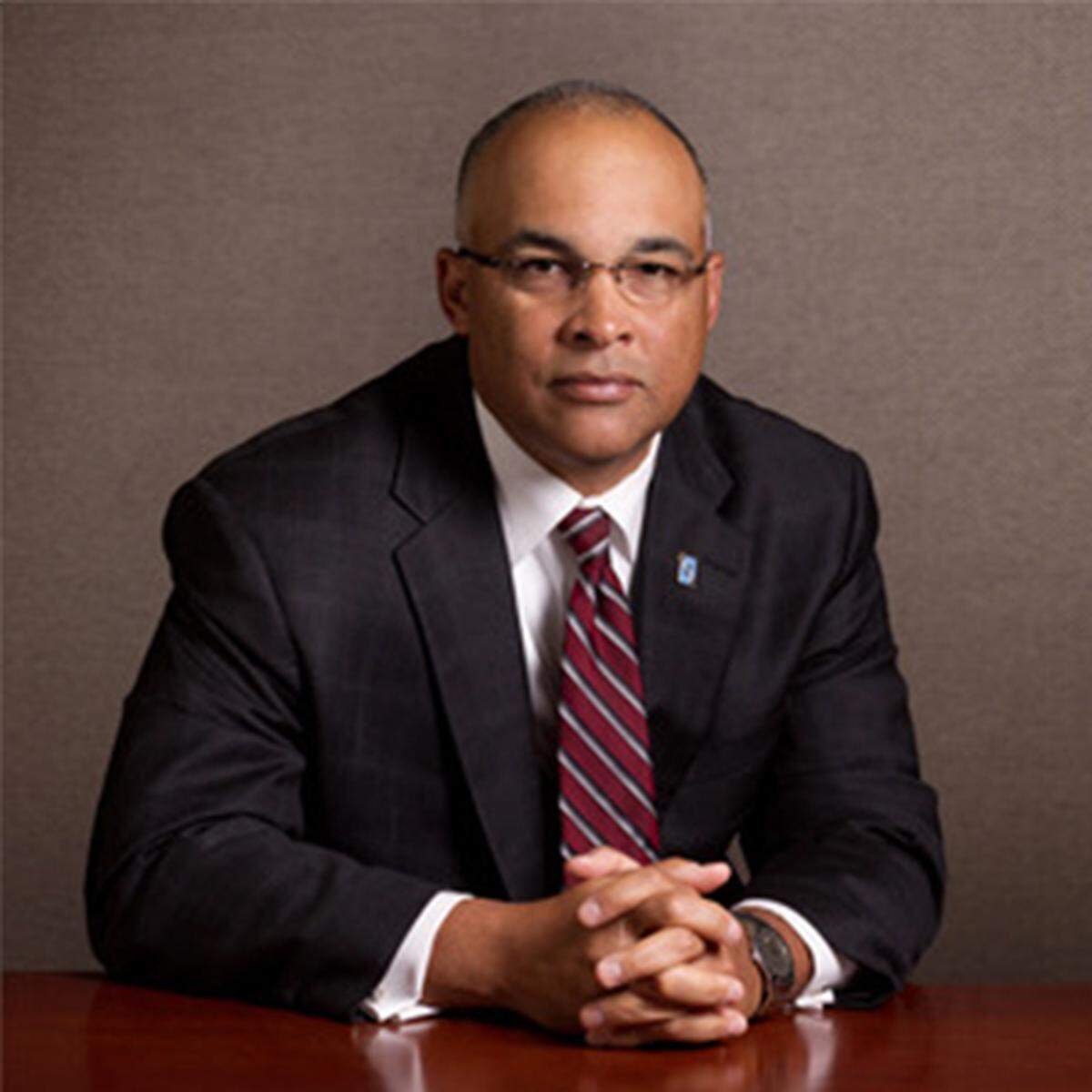
He also learned the importance of clear communication as a mediator in the U.S. Postal Service, he said.
As Fort Worth’s first police monitor, dealing with parties with often-competing interests, Harness said he would analyze the facts of a situation, come to a decision and clearly explain that decision to the public. And then, he said, “I have to stand behind the decisions that I’ve made.”
“That’s part of being in this position,” he said. “Ultimately, you must stand by your work product and that’s how you gain the trust of all of the parties that are involved.”
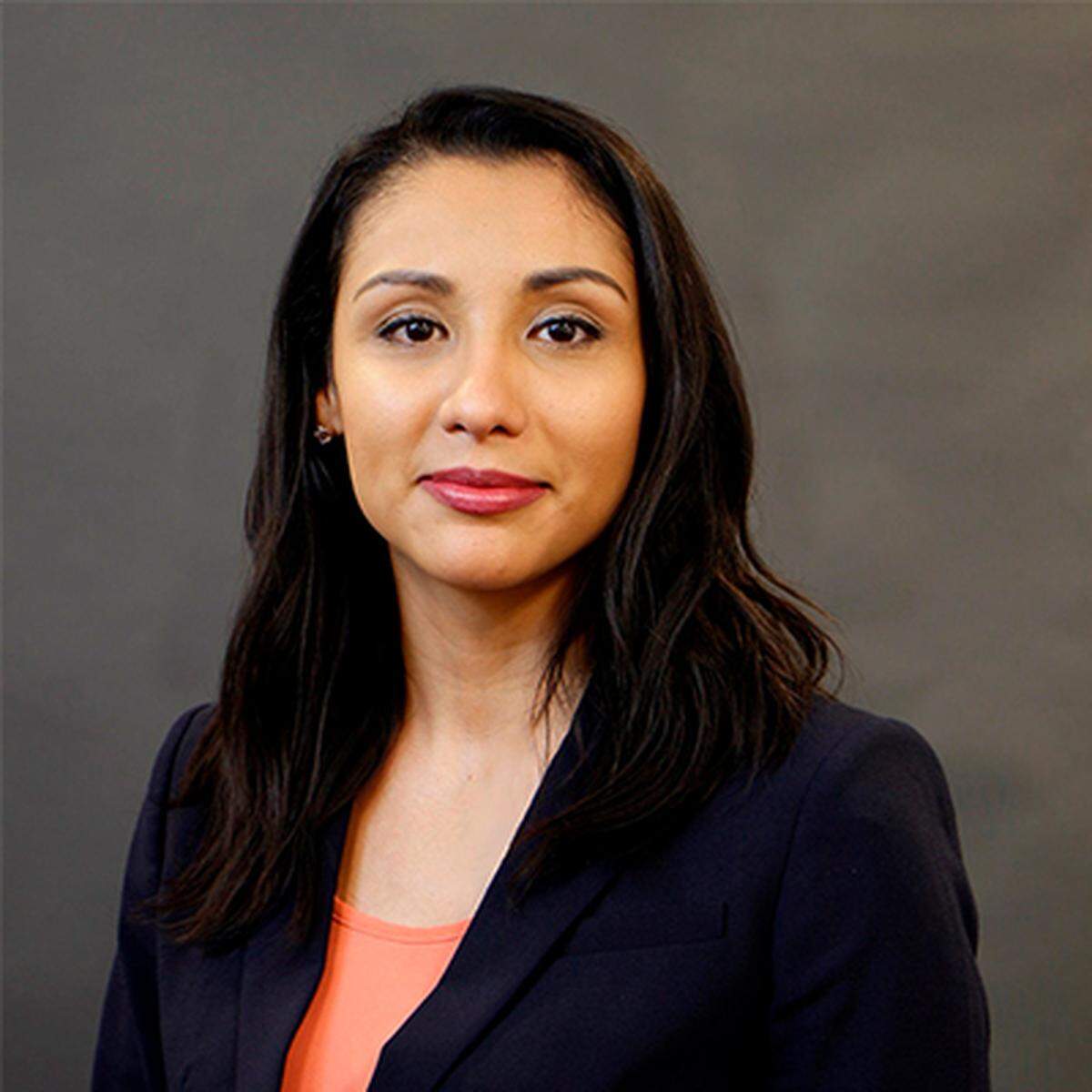
Denise Rodriguez has served as a police monitor for cities like Spokane, Washington and Fayetteville, North Carolina, and is currently a senior research scientist at the nonprofit CNA, where she looks at issues related to police accountability.
She said she believes collaboration between the community and police is key
She also said police monitors need to stand by their decisions, even if it’s unpopular with police or the public.
She pointed to a racial bias audit of the Charleston, South Carolina Police Department she conducted with a team of researchers that found a racial disparity with traffic stops.
“I know it may not seem like it now, but change is possible. I’ve seen change in Charleston,” she said. “Fort Worth ultimately could be the innovative model for the way things should be done nationally and on a national level.”
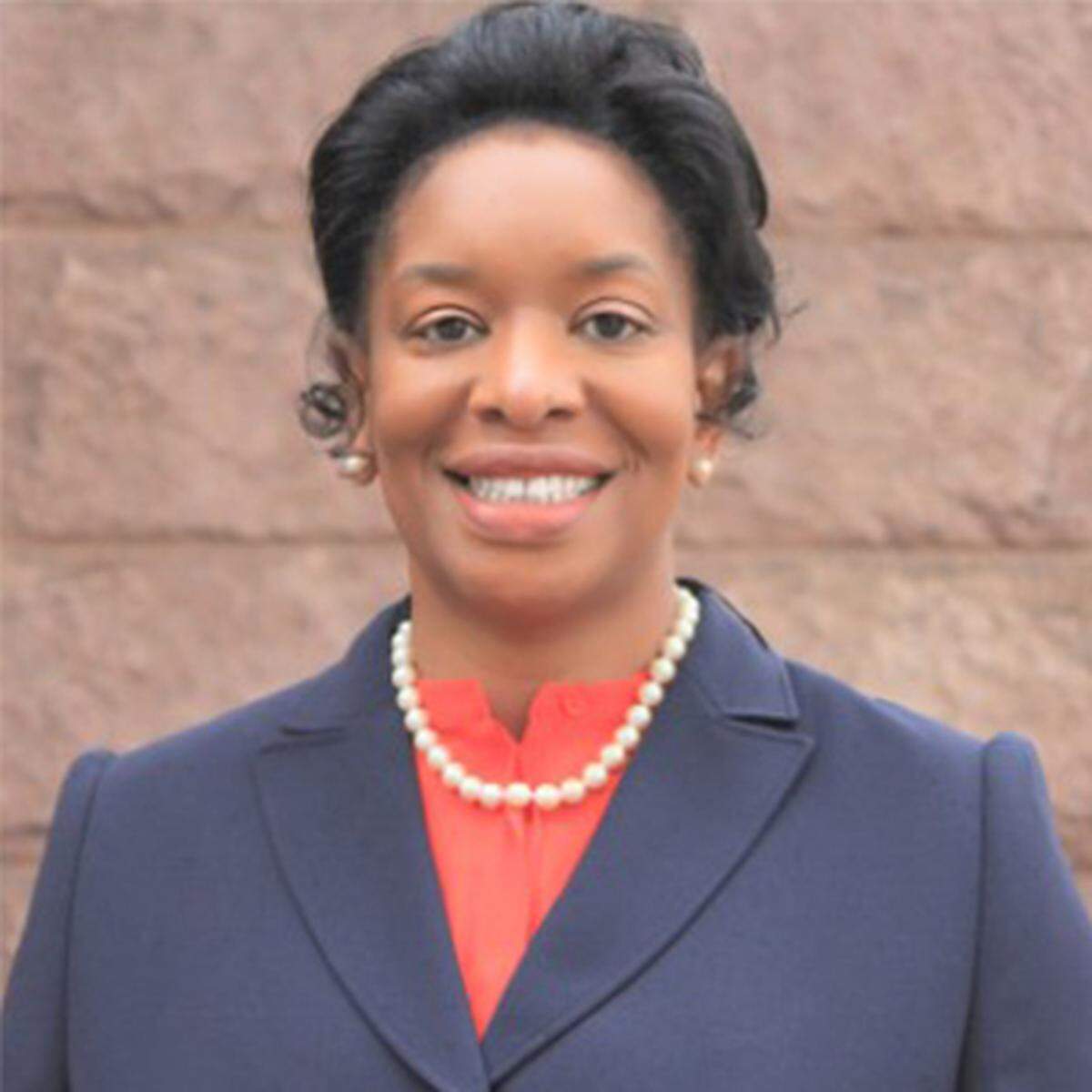
Kim Neal, the executive director of the Citizens Complaint Authority in Cincinnati, pitched herself as a “problem-solver” and a “mediator” who has years of experience acting as a liaison between government and citizens. But, she said, she will also “challenge all the players.”
Within the Cincinnati Police Department’s independent oversight agency, Neal oversees investigations into serious misconduct allegations against Cincinnati officers such as use-of-force.
“We can’t sit around and just complain about an issue and not be ready to do something about it,” she said. “I’m also the person saying — listening to the problem — ‘OK, well how do you want to help resolve the problem?’ I like to be the person in the room getting those parties together.”
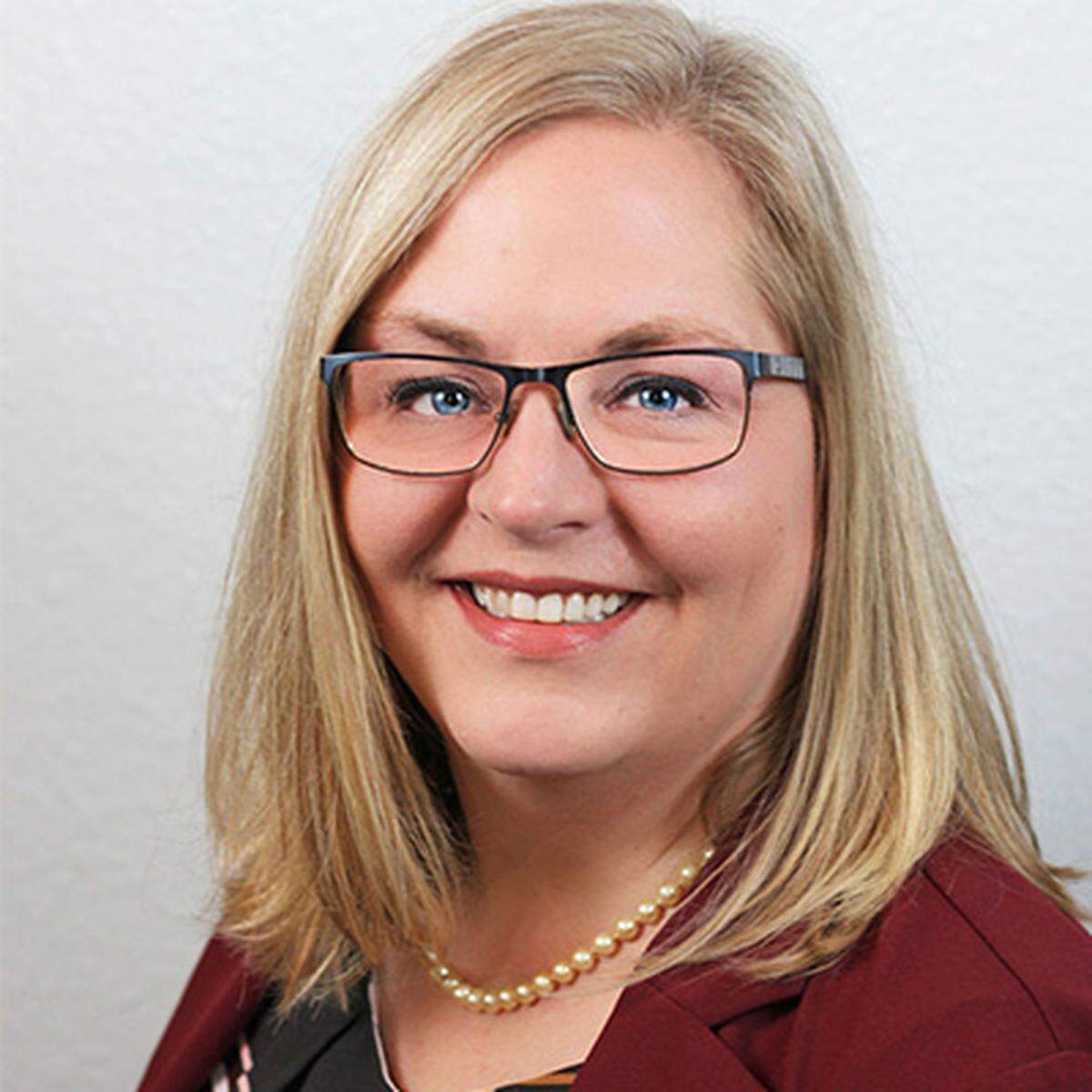
Janna Lewis has served for the past 13 years as the deputy ombudsman in King County, Washington, or the person tasked with representing the public and investigating claims of government malpractice. She said she’s found it’s important to include “every stakeholder” in a conversation to get the best outcome.
It’s clear, she said, when a city is talking about police oversight, “you’ve got a divide in your community.” And the response should be to see what’s causing that and what can be done to reconcile that, she said.
“Because you’re all on the same boat together,” she said. “My approach is really trying to work collaboratively for the best common goals of the whole community.”
Rick Rasmussen, answering the night’s big question to make a sales pitch, said he can’t say whether or not it should be him — the decision should reflect what the community wants and needs.
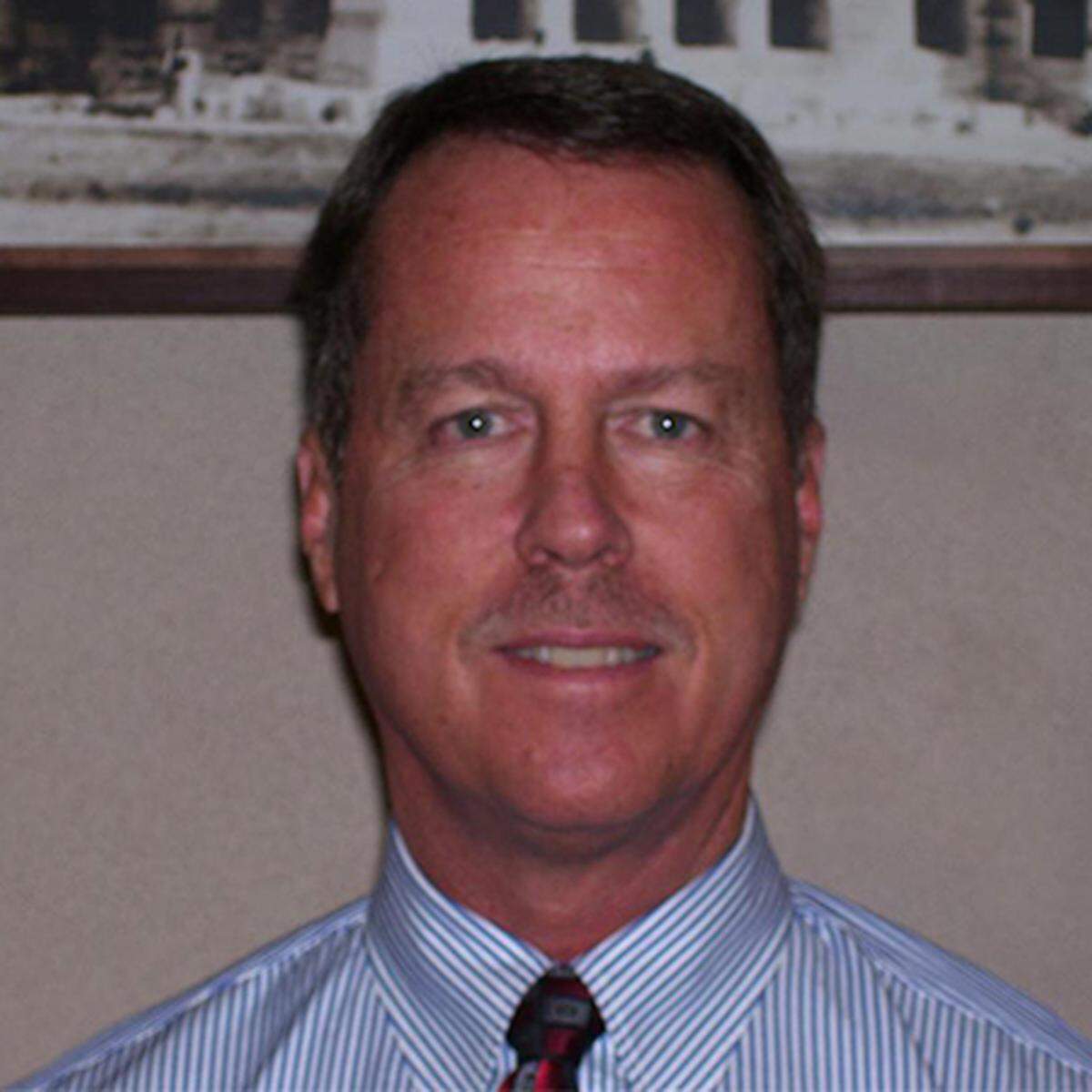
A veteran of the U.S. Air Force and an FBI agent of more than 20 years, he said he’s learned a lot about communication and putting himself in someone else’s shoes to evaluate a situation and see the full picture. He has served for the past 11 years as the administrator of the Salt Lake City Civilian Review Board, where he said he meets regularly with citizen groups to hear their concerns.
He believes a group of people presented with the same facts should arrive at the same conclusion, he said, and “that drives my work.”
“All of the parts of civilian oversight boil down to one thing — are you able to adequately investigate an incident and arrive at a conclusion and make recommendations based on the facts?” he said. “If what this community is looking for is an unbiased advocate for y’all, I should be up there.”
This story was originally published November 21, 2019 at 5:00 AM.