What does the low COVID booster rate mean for Tarrant Co.? Here’s what experts say.
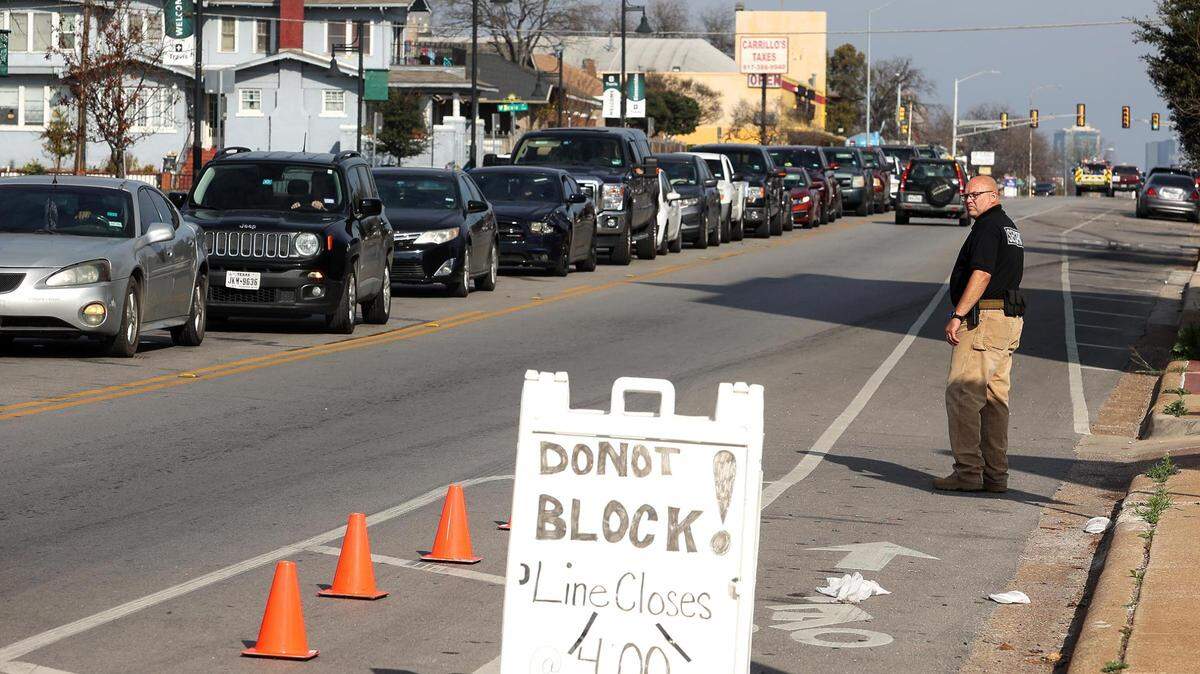
One in five Tarrant County adults has received a booster dose of the COVID-19 vaccine, leaving many adults more vulnerable in the omicron variant surge, according to two Texas experts.
The original COVID vaccines available in the U.S. provide strong protection against getting seriously ill or dying from the virus, said clinical epidemiologist Shane Fernando. But that protection fades over time, which is why experts have recommended getting a booster dose, particularly as Texas weathers the surge in cases driven by the omicron variant of the coronavirus.
“Think of it as topping off your car with gas,” said Fernando, who is an assistant professor of pediatrics at the Texas College of Osteopathic Medicine, part of UNT Health Science Center. “It’s really just refueling your immune system against COVID.”
In Tarrant County, 318,179 people have received a booster dose, according to state data. That means that about 15% of the county’s total population (or 20% of the adult population) have the strongest possible vaccine protection against the new variants of the coronavirus.
Those figures, however, do not account for those who are vaccinated but not yet eligible for a booster. Booster doses are recommended for adults over 18, if it has been six months since their second dose of the Pfizer or Moderna vaccines or two months since receiving their Johnson & Johnson vaccine, according to the U.S. Centers for Disease Control and Prevention. Those 16 and older may get a booster, according to the CDC.
“It appears that being vaccinated, you can still get infected,” said Dr. James McDeavitt, the executive vice president and dean of clinical affairs at Baylor College of Medicine. “But the vaccine does appear to provide you pretty good protection against becoming critically ill and ending up in a hospital.”
A booster dose, McDeavitt said, provides even better protection. Scientists are still working to understand the omicron variant of the virus, which was only identified in November.
“If you’re not boosted, and you’re eligible, get your booster, because the booster does increase the efficacy of the vaccines against Omicron,” McDeavitt said.
People who are vaccinated and not boosted are still less likely to be hospitalized with COVID-19 than the unvaccinated, the experts said, but could still end up feeling lousy.
The state health department hasn’t yet begun posting data on how many Texans hospitalized with COVID have received a booster dose. But at Fort Worth’s JPS Health Network, just one of the 134 COVID patients being treated Thursday had received a booster dose, according to the hospital. The overwhelming majority - 83% - were either unvaccinated or only partially vaccinated. There were 23 patients at the hospital who were fully vaccinated but had not received a booster dose, according to the hospital’s data.
Those who haven’t received any COVID-19 vaccines - about 47% of county residents - are at the greatest risk.
“(The unvaccinated) are absolutely the most vulnerable and absolutely the ones who are going to be harmed the most,” Fernando said about the surge in infections that has begun in Fort Worth and Tarrant County.
Similar to the flu shot, a COVID-19 vaccine doesn’t guarantee that you won’t get infected with the virus. But it does provide strong protection against getting very sick or dying. Fernando compared vaccinations to wearing a warm winter coat when it’s cold outside.
“It’ll keep you warm, but it won’t keep you perfectly warm all over your body,” Fernando said. Like a winter coat, COVID vaccines and boosters will protect most people from the worst outcomes of the disease, like hospitalization and death.
For the omicron variant, which spreads easily from person to person, Fernando said multiple steps are essential. Getting vaccinated and boosted provide the best protection, but wearing a high-quality mask and avoiding large, indoor crowds are like adding a scarf and a hat to your coat, he said.
Of the county’s entire population 53% are fully vaccinated against COVID, according to state data. Vaccines are available for people who are older than 5 years of age. Of the eligible population in the county, about 57% of county residents are fully vaccinated.
Currently, two variants of the original SARS-CoV-2 virus are widely circulating in the U.S. Both the delta and the omicron variants are more infectious than the original virus, meaning they spread more easily from person to person. Scientists believe the Omicron variant is especially infectious, which is part of the reason why even fully vaccinated and boosted people can still get infected.
This story was originally published December 31, 2021 at 5:00 AM.